
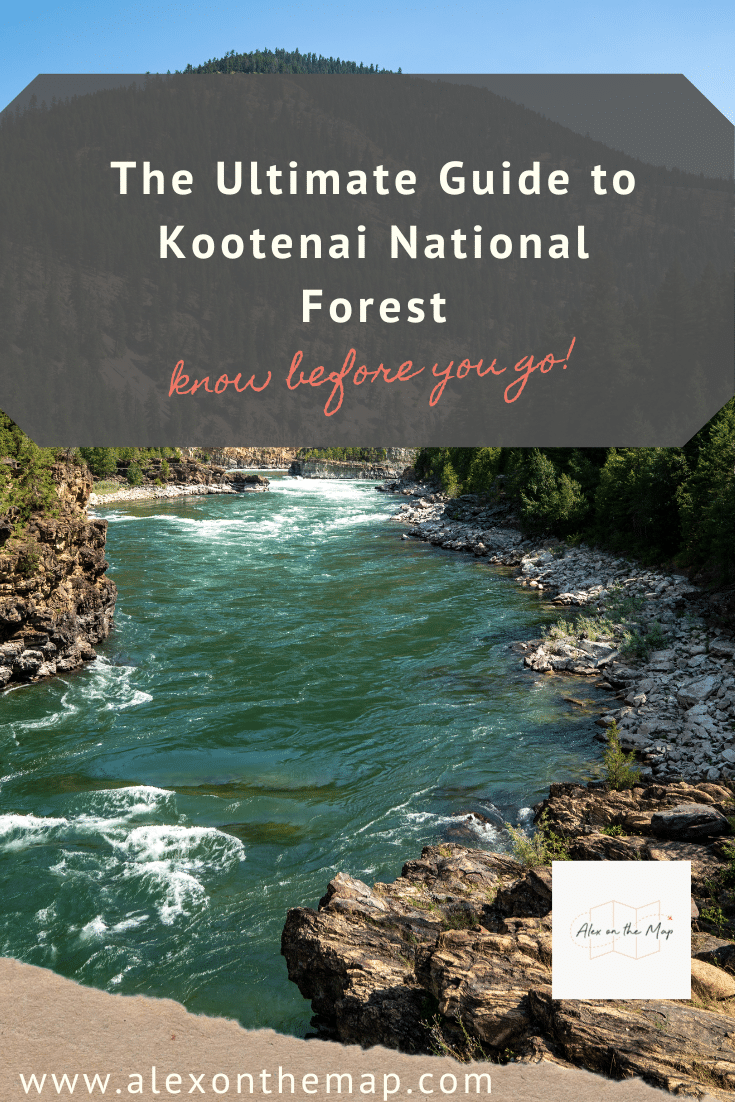
The Ultimate Guide to Kootenai National Forest
Montana has some pretty amazing wilderness, and national forests available are some of the best! Kootenai National Forest is exceptionally beautiful and offers plenty of hiking trails and camping for your outdoor adventure. You’ll find pretty much everything–lakes, rivers, and so much more in this stunning national forest in the northwest corner of the state. You’ll never run out of things to see!
Everything you need to know about visiting Kootenai National Forest
This guide covers what you need to know when visiting Kootenai National Forest so you’re prepared!
[lwptoc hideItems=”1″]
Map of Kootenai National Forest
Where is Kootenai National Forest?
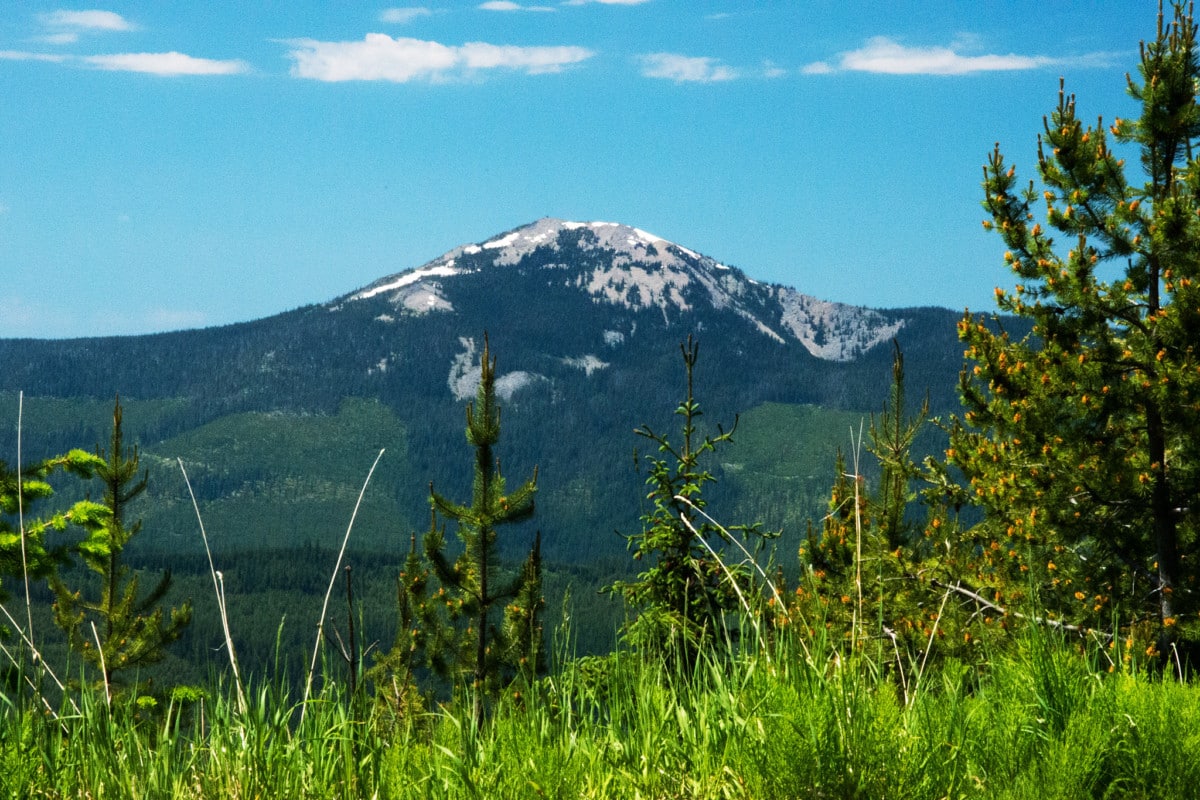
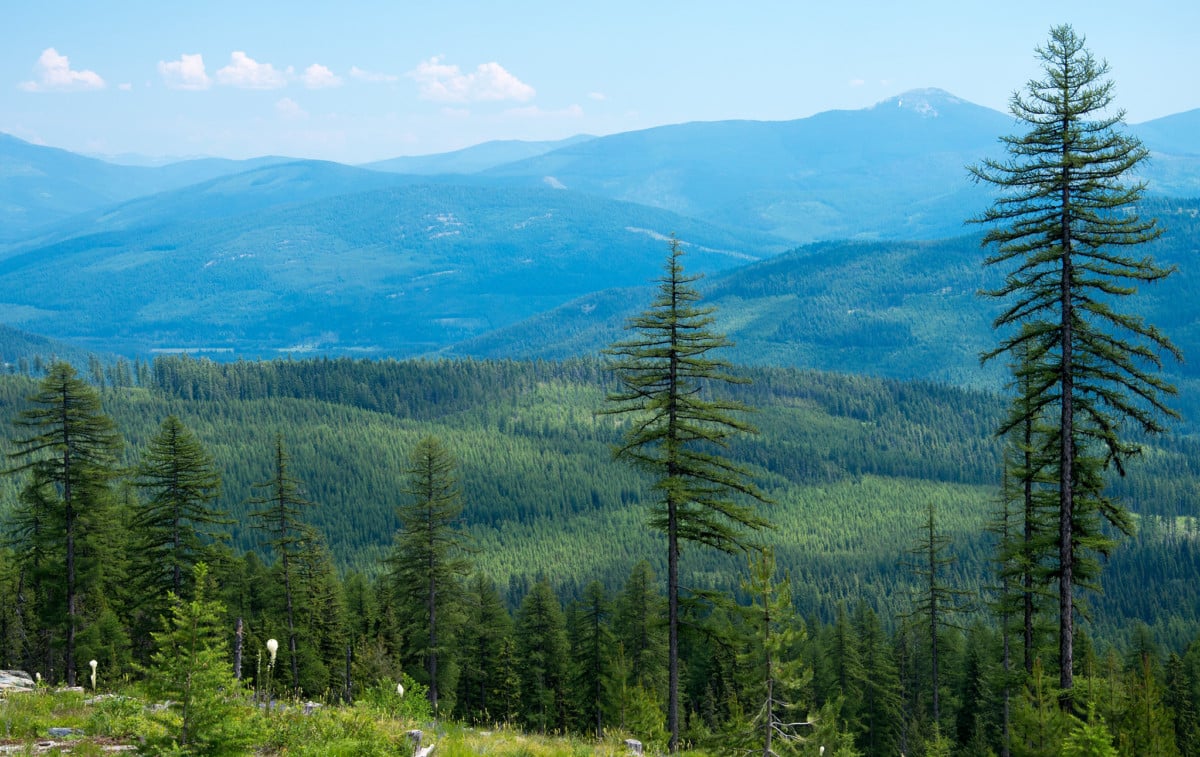
The Kootenai National Forest is tucked into the northwest corner of Montana. Canada borders this national forest to the north, and Idaho borders it to the west. This spot is one of the most beautiful Montana national forests, with a varying landscape that changes between craggy peaks, thick forests, and picturesque bodies of water.
This national forest spans 2.2 million acres and resides nearby the Flathead National Forest. While in the forest, you’ll find many wildlife species calling the park their home! You can see birds, moose, black bears, elk, and even mountain lions here.
How do I get to Kootenai National Forest?
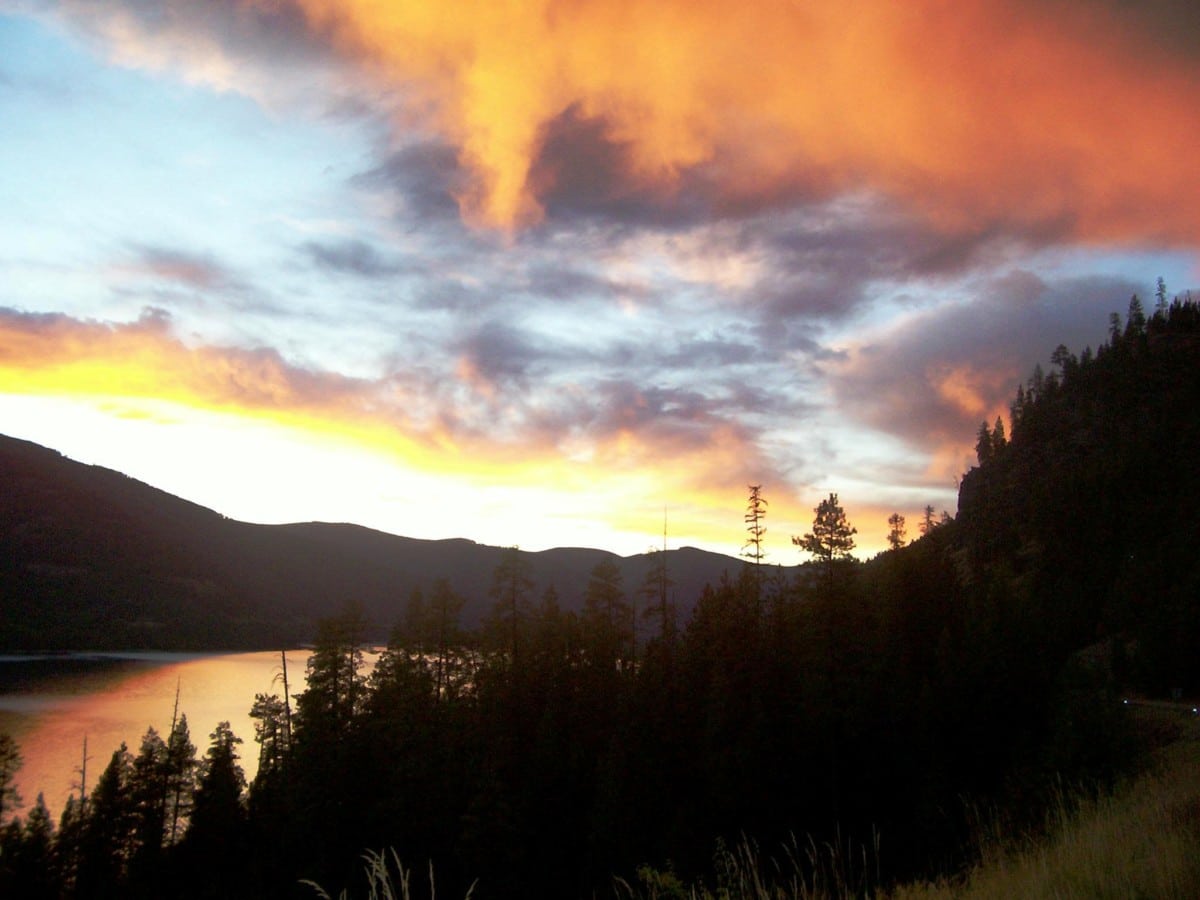
Multiple highways lead to Kootenai National Forest, making it an easily accessible nature spot. You can travel on US highways 2 or 93 to reach the park. Or, drive on Montana State highways 200, 56, 37, and 508 to reach the forest.
A few scenic byways lead you along the Kootenai River, offering exquisite views inside the forest. There are also many backcountry roads that you can explore by vehicle. For off-roading, it’s best to have an OHV vehicle or car. Otherwise, there’s a chance your car may sustain damage or get stuck in certain areas of the park.
When is the best time to visit Kootenai National Forest?
You’ll find summer and spring the best times to visit Kootenai National Forest if you prefer outdoor activities like hiking and swimming. If you enjoy spending your time in chillier temps to take advantage of winter sports, you’ll want to visit the national forest in wintertime.
Ultimately, the best time to visit depends on your interests and the activities you have in mind for your trip. Fall and winter are considered the wet season for Kootenai National Forest. Avoid these seasons if you don’t want to chance the rain or snow.

Can I camp in Kootenai National Forest?
Quite a few campgrounds are available to rent in Kootenai National Forest. Many of the campsites are nearby a body of water, so you’ll have stunning views and a source of water in warmer months.
These campsites offer easy access to the many activities available in the national forest. By spending a night or two here, you’ll have more time for fishing, boating, kayaking, and sunbathing on the beach.
Here are some of the campgrounds available in the forest:
- Bad Medicine Campground
- Dorr Skeels Campground
- Jackpine Flats Campground
- Marten Creek Campground
- Lake Creek Campground
- McGregor Lake Campground
- Peck Gulch Campground
- Rexford Bench Campground
- Loon Lake Campground
- Little Therriault Lake
- North Dickey Lake Campground
- Whitetail Campground
As always, it’s important to remember that the campsites offer varying amenities. Check out the campsites you’re interested in before committing to an evening.

Can I rent a cabin in Kootenai National Forest?
Perhaps the weather is too chilly in Kootenai National Forest or too rainy, and you don’t want to spend the weekend in a tent. Many cabins are available to rent in this national forest if that’s the case.
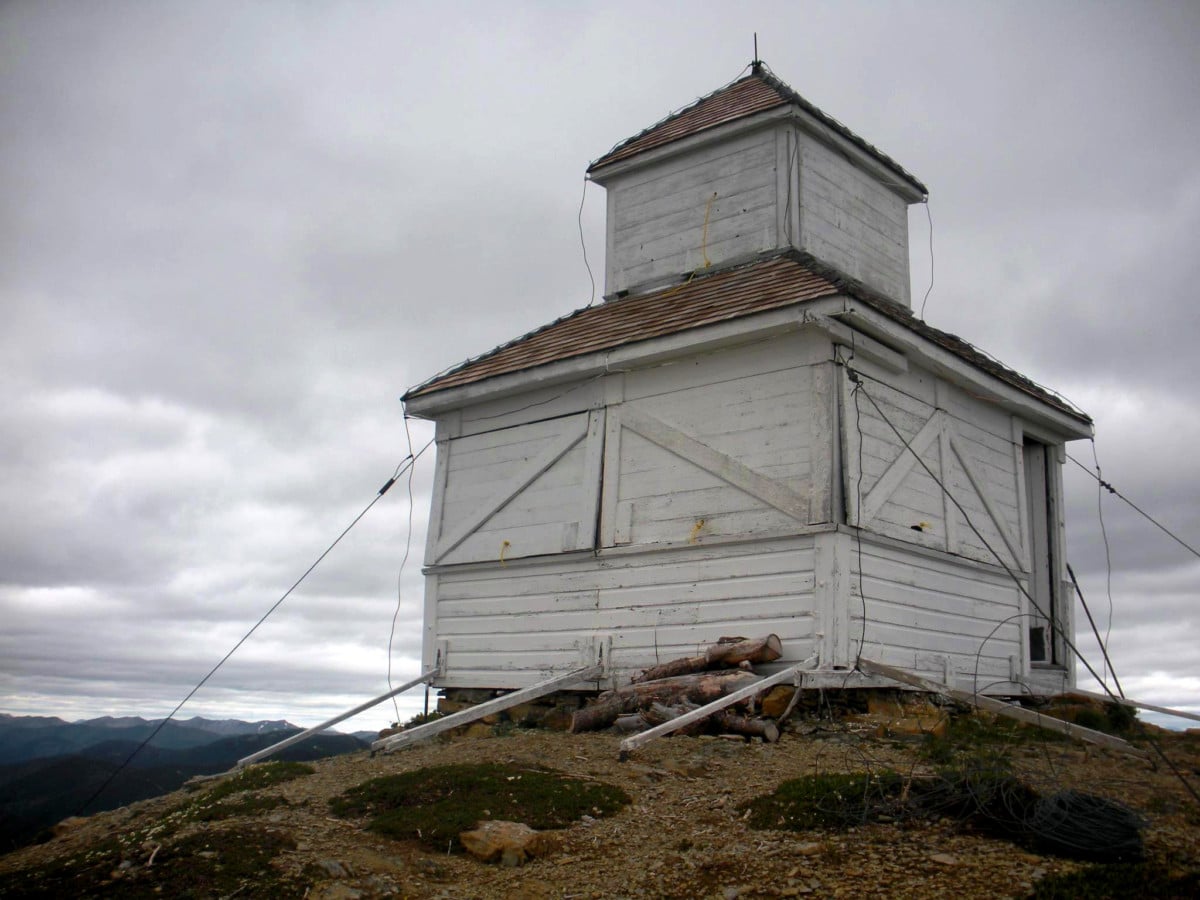
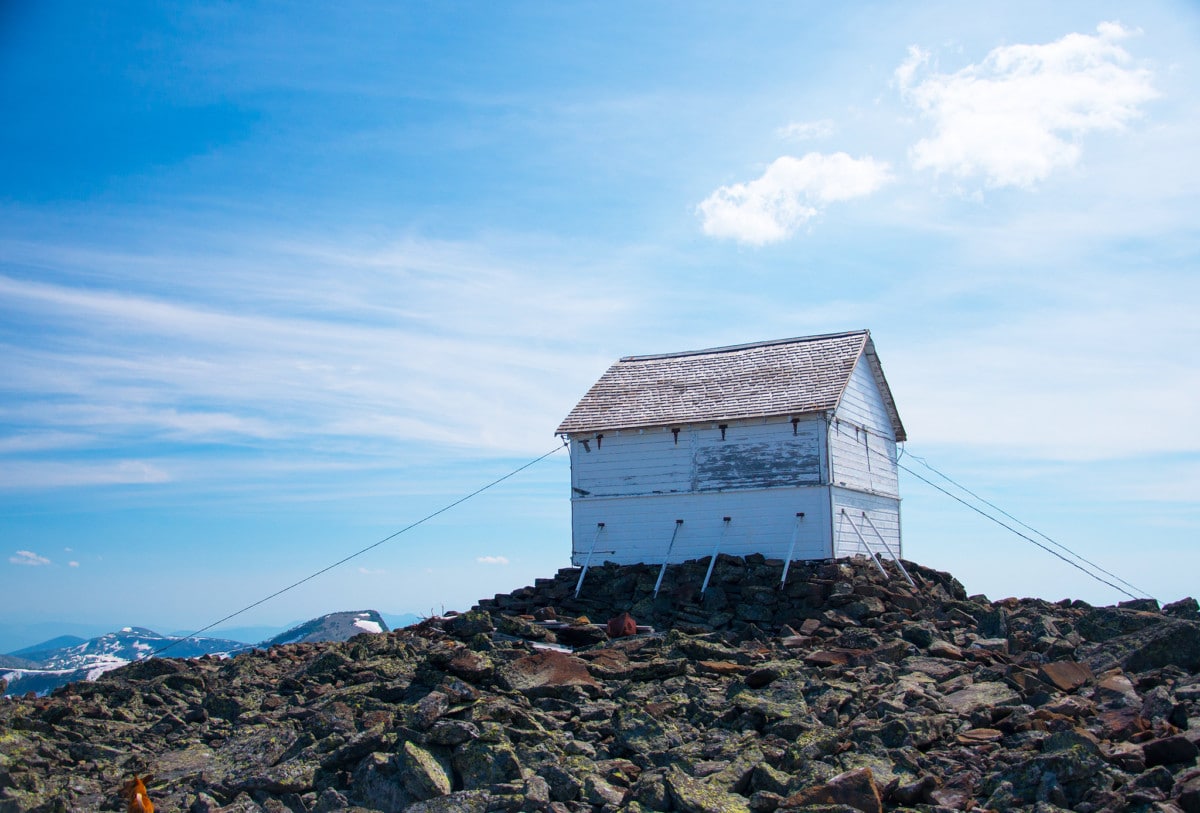
These rentals are mainly lookouts, so you can enjoy stunning views while spending time in Kootenai National Forest. Some cabins allow you to check out the nearby mountains, while others provide a calming stay near a bubbling creek. Research each cabin to ensure it meets your needs before booking, as some options do not provide electricity or water.
Cabin rentals available in Kootenai National Forest:
- Bull River Guard Station
- Gem Peak Lookout
- Fairview Ranger Station
- McGuire Mountain Lookout
- Webb Mountain Lookout
- Mt. Baldy-Buckhorn Ridge Lookout
- Upper Ford Ranger Station Cabin
Is there dispersed camping in Kootenai National Forest?
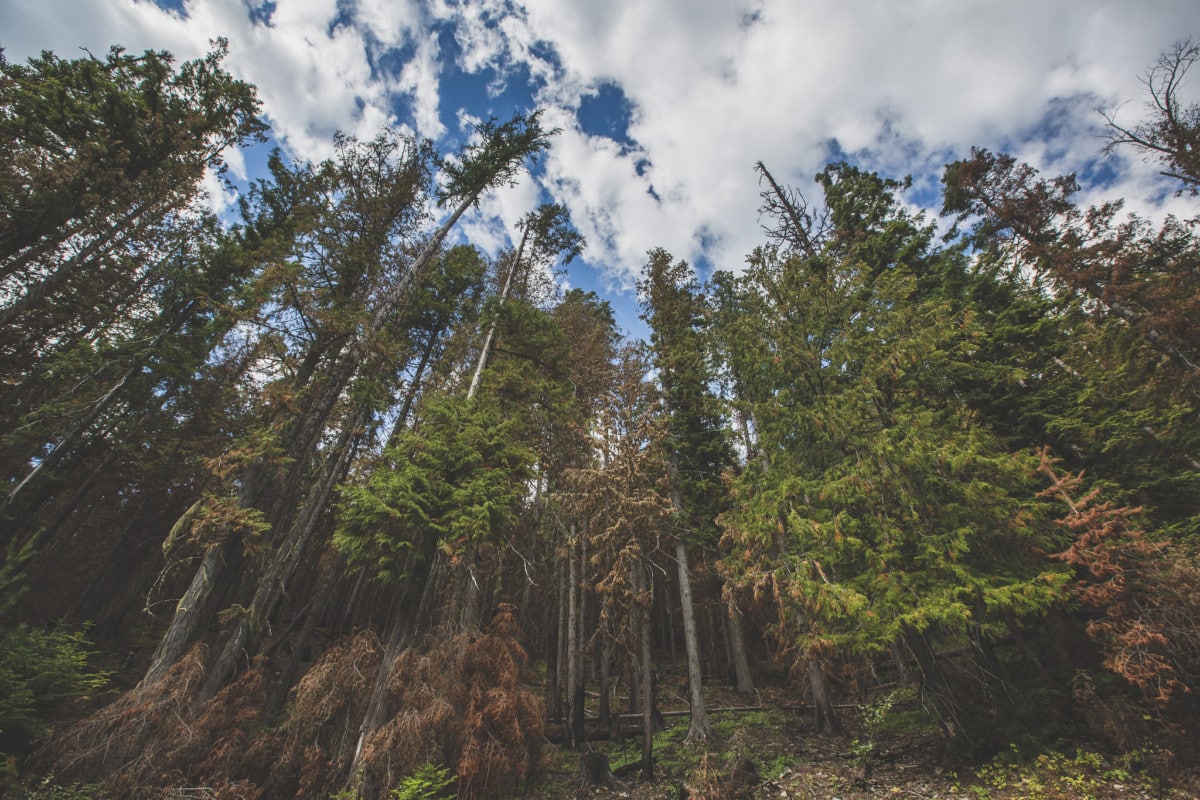
For a more challenging endeavor, you can choose to go dispersed camping in Kootenai National Forest. This type of camping includes setting up your tent outside the designated campground area. It’s ideal for those at least intermediate campers to go dispersed camping.
You’ll find that many campsites offer dispersed camping areas in Kootenai. However, there are only a few official sites listed. For a more detailed list, contact one of the Forest Park offices.
Below, you’ll find a list of some of the available sites:
Is there group camping in Kootenai National Forest?
Group camping is a great way to stay with more people, without booking separate campsites. Kootenai National Forest offers a few options for group camping. Remember that group campsites vary in amenities between parks and even from site to site.
Most of the below campsites include multiple firepits, more space at the campsite, larger parking spaces, and additional picnic tables. These amenities ensure sufficient space for a larger friend group or family.
- Bull River Campground and Group Site
- McGillivray Campground and Group Sites
- Timberlane Campground
- Horse Camp
Is there RV camping in Kootenai National Forest?
RV camping is an excellent way to enjoy Kootenai National Forest without sacrificing modern amenities, like TVs, electricity, etc. RV camping is also a great way to spend time in nature during colder months without worrying about staying warm in a tent.
Kootenai National Forest features a long list of RV campsites. Research each campsite before booking it to ensure you have the required amenities. Some do not offer electricity and water hookups. Additionally, some campsites have a limit on RV size.
Here are some of the available RV campsites at Kootenai:
- Bad Medicine Campground
- Dorr Skeels Campground
- Bull River Campground and Group Site
- Marten Creek Campground
- McGregor Lake Campground
- Pleasant Valley Campground
- Rocky Gorge Campground
- Howard Lake Campground
- North Dickey Lake Campground

Do I need a backcountry permit for Kootenai National Forest?
No, you do not need a backcountry permit for this national forest. Daily activities like hiking and exploring Kootenai National Forest do not require a permit. Camping is another activity that does not require a permit in this national forest, even backcountry camping.
However, you will need a recreation pass to enter Kootenai National Forest. You can purchase an annual pass directly from the National Park Service. You should be aware of some additional permit requirements, including a permit for collecting specific items from the forest like Christmas trees and firewood.
What do I need to know about having a campfire in Kootenai National Forest?
It’s important to always research fire alerts that pertain to the Kootenai National Forest, so you can be aware of any areas that do not allow fires. This is especially important during fire season, May 1 through September 30. Below are some tips to help you camp safely in Kootenai National Forest.
- Ensure you have a permit for a campfire during fire season.
- Talk to local authorities to see if campfires are prohibited during your visit.
- Don’t set up campfires on dry days, as there is a higher chance for the fire to spread or get out of control.
- Ensure you’re setting up your campfire away from other flammable items (trees, leaves, plants, etc.).

Can I bring my dog to Kootenai National Forest?
This national forest is a pet-friendly spot, so you can feel free to bring your furry family member! However, there are some areas where dogs are not allowed, or restrictions are set in place. Here are some tips to help you have a smooth trip with your pup.
- Dogs are allowed in common areas like campgrounds and picnic areas. However, they must be leashed at all times with current tags.
- You can bring your dog on hiking trails and walk them alongside the road.
- When traveling to Millcreek Canyon, dogs do not need to be leashed on odd days. On even days, dogs need to be leashed. Dogs need to be kept on a leash in all common areas in Millcreek Canyon.
- You cannot bring your dog into any buildings (unless it’s a service animal).
- Dogs are not allowed in Big Cottonwood or Little Cottonwood canyons at any time.
What do I need to know about bears in Kootenai National Forest?
Since Kootenai National Forest is home to grizzly and black bears, it’s essential to take precautions while doing activities in the forest, like camping. Neither type of bear is aggressive, though there can be conflict because of food or other circumstances. To avoid any issues, follow the below notes.
- Do not feed bears; this can cause bears to become aggressive and dependent on human food.
- Always carry bear pepper spray with you while you’re in the forest.
- Store any food and food-related trash in a bear-resistant container. You want to prevent bears from smelling the food, as it will attract bears to you or your campsite.
- Don’t approach bears; stay a safe distance from them at all times (at least 300 feet).
- Never run when you encounter a bear.
Hiking trails in Kootenai National Forest
The Kootenai National Forest is a hiker’s dream! There are many routes you can take for a variety of skill levels. Whether you’re only beginning your hiking journey or are a seasoned pro, you’ll find a trek that fits your experience.
Below, you’ll find more information on some of the best trails in the forest.
Kootenai Falls and Swinging Bridge Trail
Difficulty: Easy
Distance: 1.6 Miles
This trail is great for beginners or those who want a shorter walk through nature. This out and back trail is only about 1.6 miles long and takes about 40 minutes to complete. During the trek, you’ll have multiple viewpoints of the Kootenai Falls. The trail ends at the swinging bridge, which is a fun photo opportunity.
While this trail is easy, it may not be suitable for younger children and seniors as there are some steep sections and stairs you’ll need to climb to reach the bridge. If you want to avoid the crowds, head to this trail early in the morning.
Granite Lake
Difficulty: Hard
Distance: 11.2 Miles
You can challenge yourself by exploring this trail in the Kootenai National Forest. The trail takes you 11.2 miles on an out-and-back trek through forested areas. You’ll also have views of lakes, rivers, waterfalls, and wildlife.
The trail runs along Granite Creek, providing a peaceful route for you to explore. This is a hard trail, so do not attempt this route if you’re a beginner, as some off-trail areas can be confusing.
The Granite Lake trail is popular, so expect to see a good number of people on the same route. Going off-hours, like early morning, will help you have a quieter hike.
Leigh Lake
Difficulty: Hard
Distance: 2.7 Miles
While this route is only 2.7 miles long, it is challenging and best for hikers with a good amount of experience. This out and back trail is found near Libby, Montana, and takes about an hour to finish.
If you decide to take this route, you can bring your dog. However, your dog will need to remain on a leash for the entire time. Rocky areas and a scramble turn this short hike into a challenging trail. In the colder months, these areas can become slick. It’s best to take this trail between June and October to avoid a slippery journey.
Rock Lake Trail
Difficulty: Moderate
Distance: 8 Miles
Take Rock Lake Trail if you are looking for a longer trail that’s slightly more challenging. This route is another out-and-back that will extend eight miles. You’ll need to schedule a half day for this hike, as most people finish it in about 4-4.5 hours.
It’s advised to travel to the trailhead only if you have a vehicle with high clearance, as there’s a high chance of low clearance vehicles getting stuck along the way. The hike begins with an easy trek until you reach the waterfall. Then, the hike becomes more challenging as the elevation increases considerably.
This fun trail offers beautiful views, a few water crossings, and a bridge.
Cedar Lakes Trail
Difficulty: Hard
Distance: 13.5 Miles
Also, near Libby, Montana, the Cedar Lakes Trail is a challenging route. This 13.5-mile trek is an out-and-back trail that will take about eight hours to finish. If you want to include a route that allows you to camp and hike, consider taking the Cedar Lakes Trail.
This scenic route includes views of wildflowers and the lakes. Along the way, keep your eye out for huckleberries, as you can pick them up to 10 gallons without needing any permits. Many people enjoy running on this trail, especially since you can take your dog on a leash.
After running or hiking, you can take a dip in the lakes. Both are great swimming options.
Copper Falls Trail
Difficulty: Moderate
Distance: 2.7 Miles
This 2.7-mile out and back route will take about 1.5 hours to complete. You’ll find Copper Falls Trail nearby Saltese, Montana. It’s an ideal route for various activities, including mountain biking, running, hiking, camping, and backpacking.
Look for a jeep track, as that’s where the trail begins. The start of the trail is quite steep, so ensure you wear proper hiking boots and bring a trekking pole to make the route easier.
The campsites are limited, so it’s best to arrive early and go on a weekday if possible. On the weekends, you may find all the campsites taken by other hikers.
Little Spar Lake Trail
Difficulty: Hard
Distance: 8 Miles
This route is an eight-mile out and back that is considered more challenging. You’ll find this route near Troy, Montana. Little Spar Lake Trail is popular among backpackers, fishers, and campers, so you can expect to see other hikers along the trail.
Plan to leave for this route early, as it will take about 4.5 hours to complete once you arrive at the trailhead. You can reach the trailhead by walking about half a mile down an old forest service road. Then, look for the trailhead for the upper lake.
If possible, avoid this trail during colder months as it can become slippery and challenging to find once ice and snow are on the ground.
South Fork Ross Creek Trail
Difficulty: Moderate
Distance: 7.1 Miles
Looking for a more secluded route than Little Spar Lake Trail? If so, you’ll enjoy hiking on the South Fork Ross Creek Trail. This out and back is located near Troy, Montana, and takes about 3.5 hours to complete.
You’ll have the opportunity to hike over a few small water crossings along the route. A larger water crossing on the trail requires you to walk over a large, fallen tree. Before you reach the waterfalls, you’ll find a large gorge offering pretty views.
Since this route requires you to cross over a tree bridge, it may not be ideal for all hikers, especially younger children and seniors.
Have you ever made it to Kootenai National Forest? Let me know your experience in the comments!
Like this post? Save it for later!

Want more information on Montana? Check out these articles:


