
The Ultimate Guide to Beaverhead-Deerlodge National Forest
With so many national forests in Montana, it can be hard to choose which one to explore. Beaverhead-Deerlodge National Forest is one of the best options since it is the largest national forest in the state. With unlimited hiking trails, plenty of camping spots for all types of campers, and opportunities to see wildlife galore, you’re in for a real treat visiting these public lands.
Everything you need to know about visiting Beaverhead-Deerlodge National Forest
This guide covers what you need to know when you’re planning on exploring Beaverhead-Deerlodge National Forest.
[lwptoc hideItems=”1″]
Map of Beaverhead-Deerlodge National Forest
Where is Beaverhead-Deerlodge National Forest?
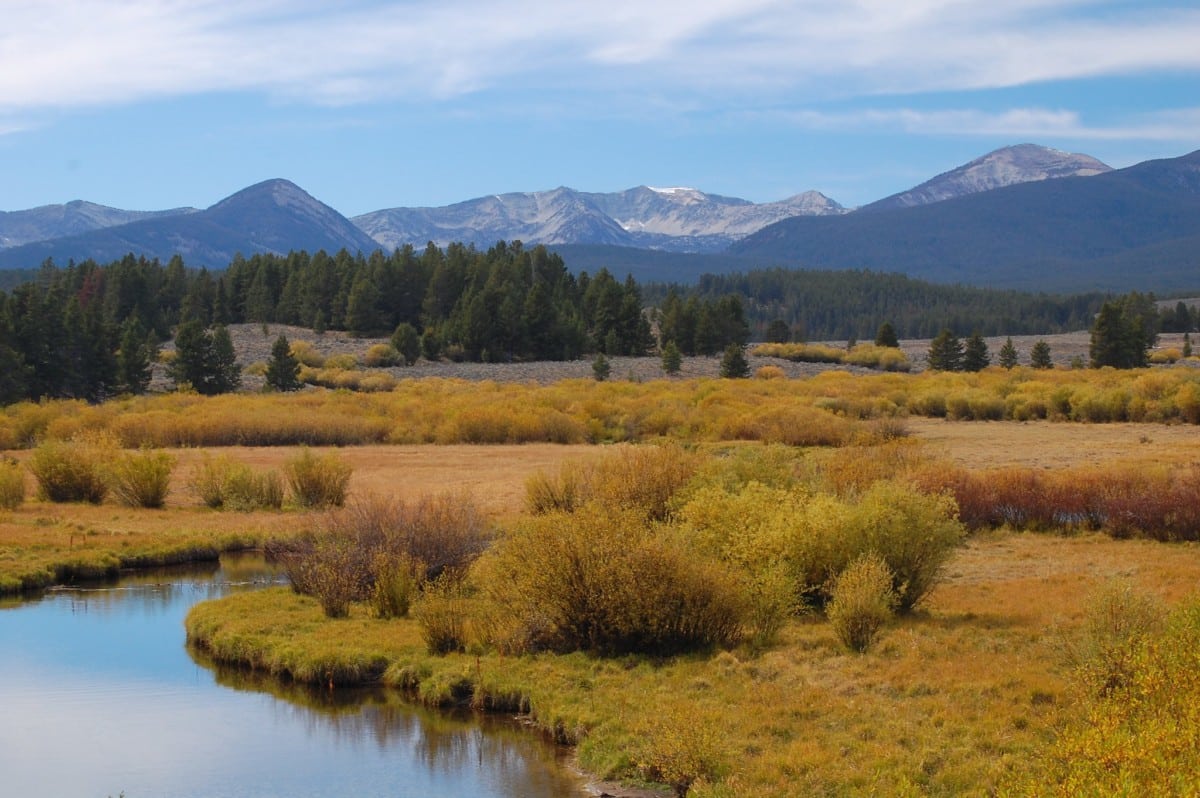
This national forest is the largest in the state of Montana. It covers over three million acres of land and includes mountains, lush forests, pretty lakes, ghost towns, and many activities to pursue.
The Beaverhead-Deerlodge National Forest stretches across eight counties in southwestern Montana, including Deer Lodge, Powell, Jefferson, Granite, Silver Bow, Beaverhead, Gallatin, and Madison.
The park is split into nine sections, all stunning areas to explore. Originally, this park was two separate forests. However, they were merged into one large national forest in the mid-1990s.
How do I get to Beaverhead-Deerlodge National Forest?
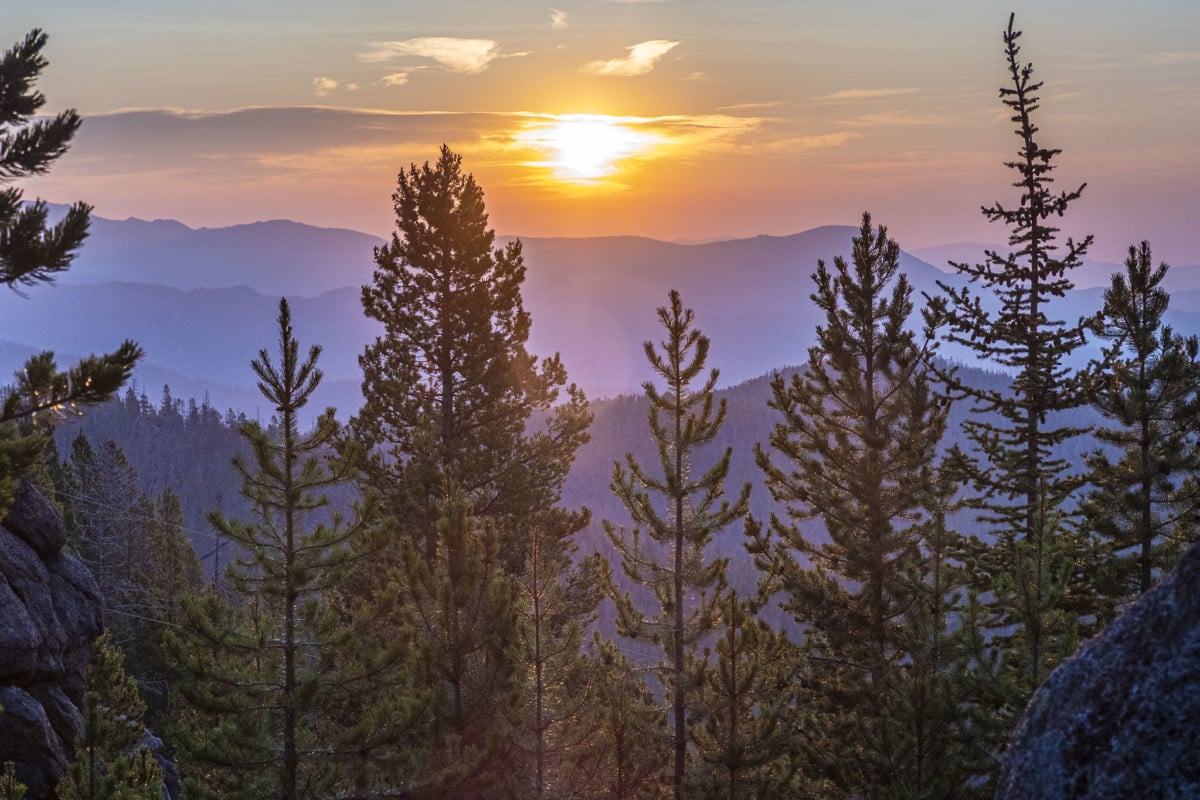
Paved routes lead directly into the center of Beaverhead-Deerlodge National Forest, making it easy to get to your desired location within the park via car. You can also drive on unpaved routes only when the weather is dry to avoid damaging the surrounding nature.
Once inside the park, there are many other vehicles and modes of transportation that you can use. Bicycle, hiking, and walking trails are available. You can also use OHV vehicles in certain park areas with the appropriate decal. Otherwise, ensure you bring your boat (motorized or non-motorized) for water activities.
When is the best time to visit Beaverhead-Deerlodge National Forest?
You can enjoy this national forest regardless of the season, as there are activities that you can pursue year-round! Depending on your desired activities, you may prefer to visit in the summer or winter. The best time to visit ultimately depends on your interests.
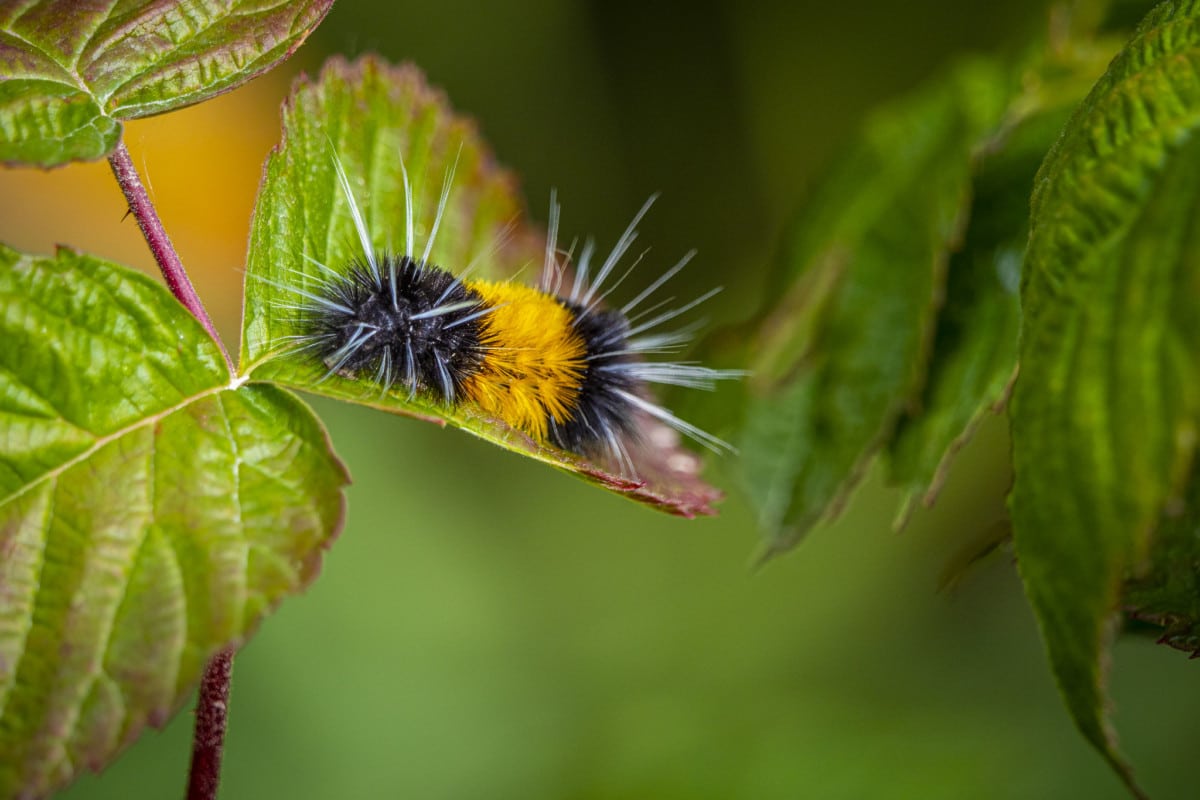
You can go swimming, boating, hiking, biking, and fishing in the summer. In the fall, you can enjoy the changing colors of the trees. Springtime brings stunning blooming flowers. During the winter, you can go snowmobiling, snowshoeing, or cross-country skiing.
Can I camp in Beaverhead-Deerlodge National Forest?
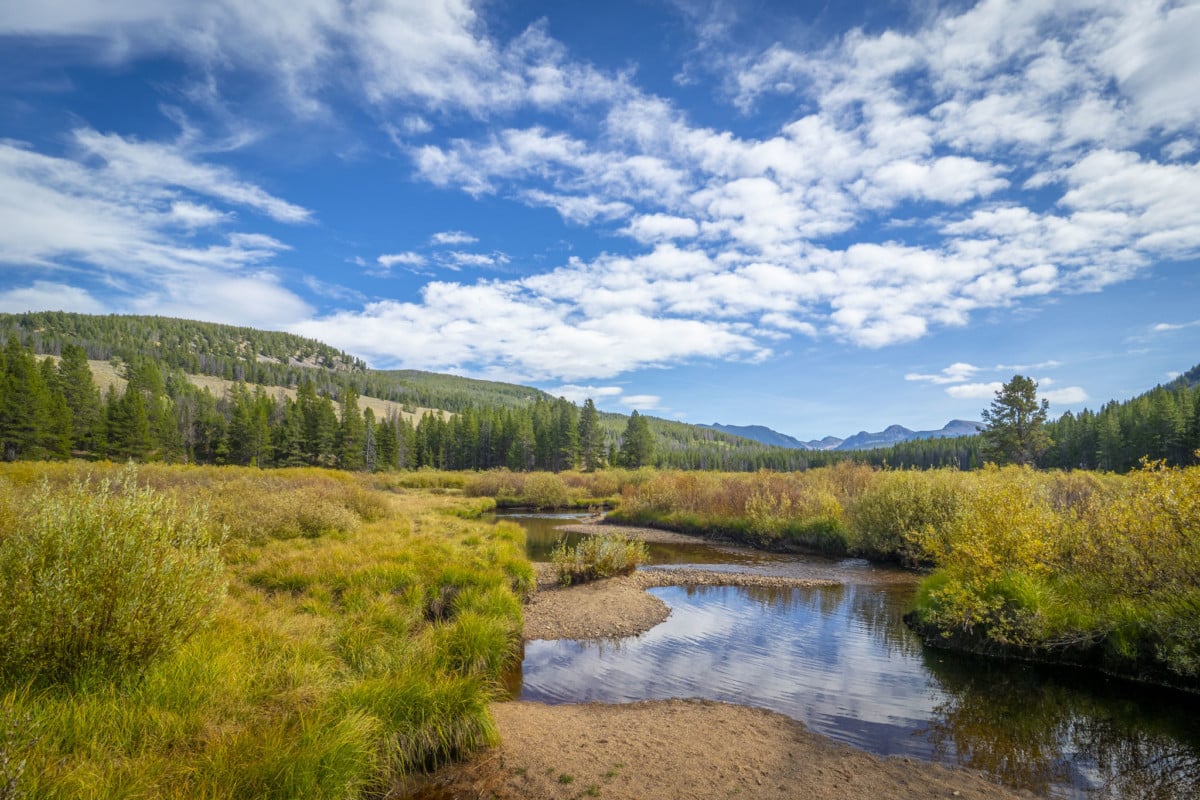
There are quite a few campgrounds available in Beaverhead-Deerlodge National Forest. These campsites are perfect for every type of camper, from novice to experienced. You’ll find options for tent and RV camping in the park, making it easy to find the perfect spot to spend a night.
As a note, many of the campsites are first come, first serve, so you’ll want to head to the camping area early. Make sure to research your desired camping area beforehand, as a few require reservations.
If you’re considering camping in Beaverhead-Deerlodge National Forest, you can check out the below campground options for more information:
- Beaverdam Campground and Picnic Area
- Delmoe Lake Campground and Picnic Area
- Lowland Campground and Picnic Area
- Dinner Station Campground and Picnic Area
- East Creek Campground
- Basin Canyon Campground and Picnic Area
- Cottonwood Campground
- Hilltop Campground
- Cable Mountain Campground
- Crystal Creek Campground
- Copper Creek Campground
- Miner Lake Campground
- Mussigbrod Campground
- Boulder Creek Campground
- Canyon Creek Campground
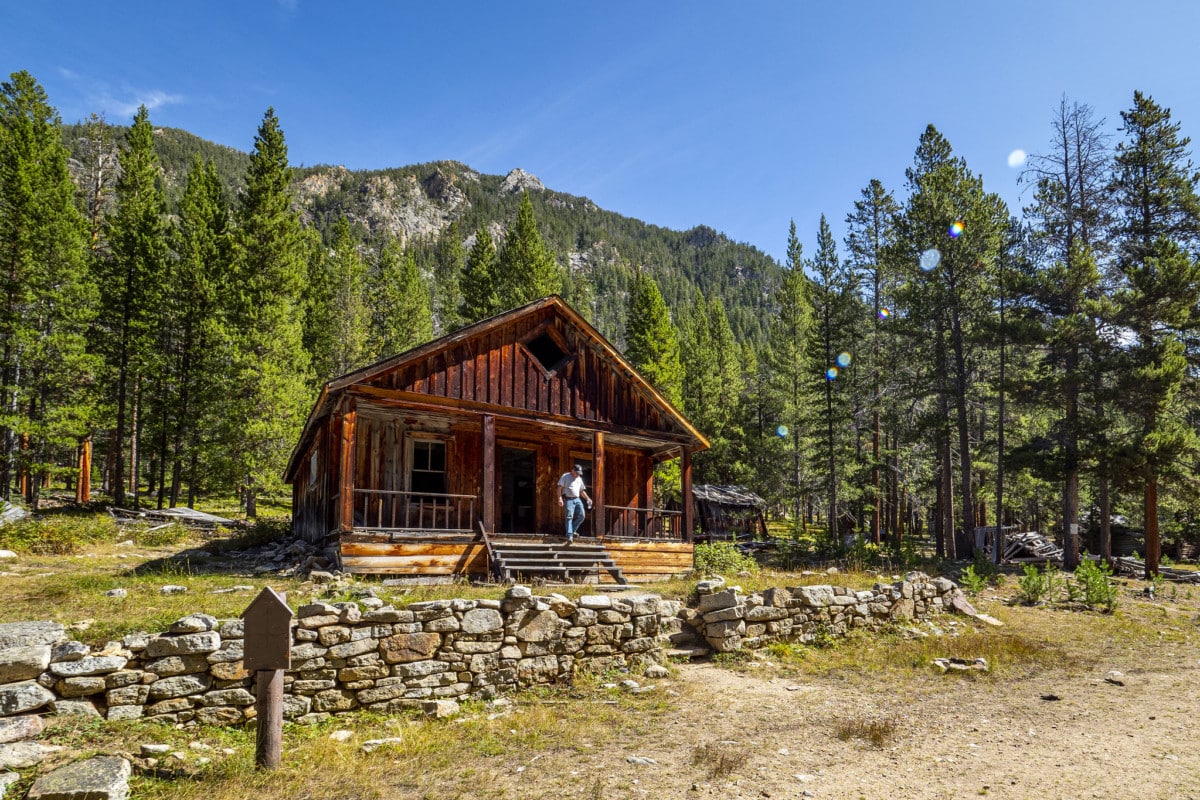
Can I rent a cabin in Beaverhead-Deerlodge National Forest?
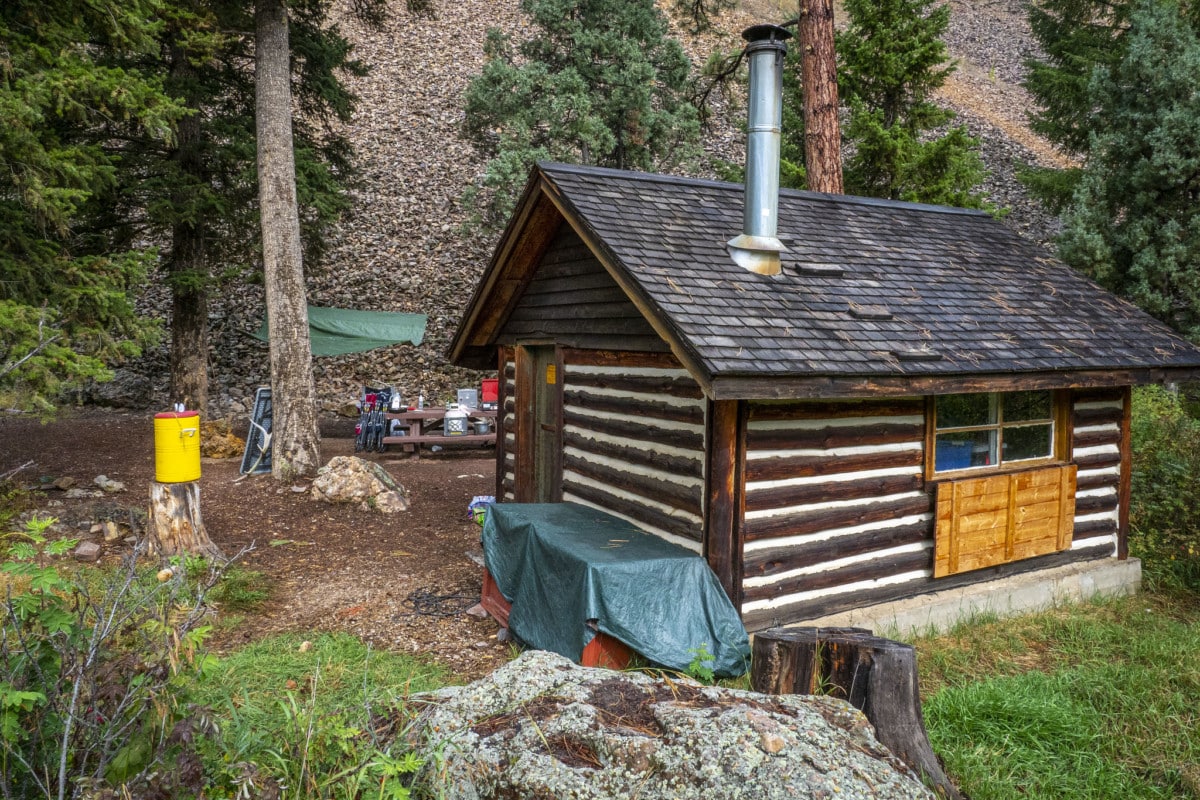
If you have a smaller group heading to the Beaverhead-Deerlodge National Forest and don’t want to spend the evening in a tent, you can rent a cabin from 24 available options. These cabins range in their amenities, with some providing solar lights.
Most of the available cabins can hold 2-4 people. However, there are some options for groups of six and one larger cabin that can hold up to eight people.
As with the campground list, you’ll find a list of some of the available cabins for rent below. As a reminder, each cabin offers different amenities, so it’s best to research your desired cabin before booking.
- Birch Creek Cabin
- Antone Cabin
- Bear Creek Cabin
- Bear Creek Bunkhouse
- Douglas Creek Cabin
- Hogan Cabin
- Moose Lake Cabin
- Stony Cabin
- Vigilante Cabin
- West Fork Cabin
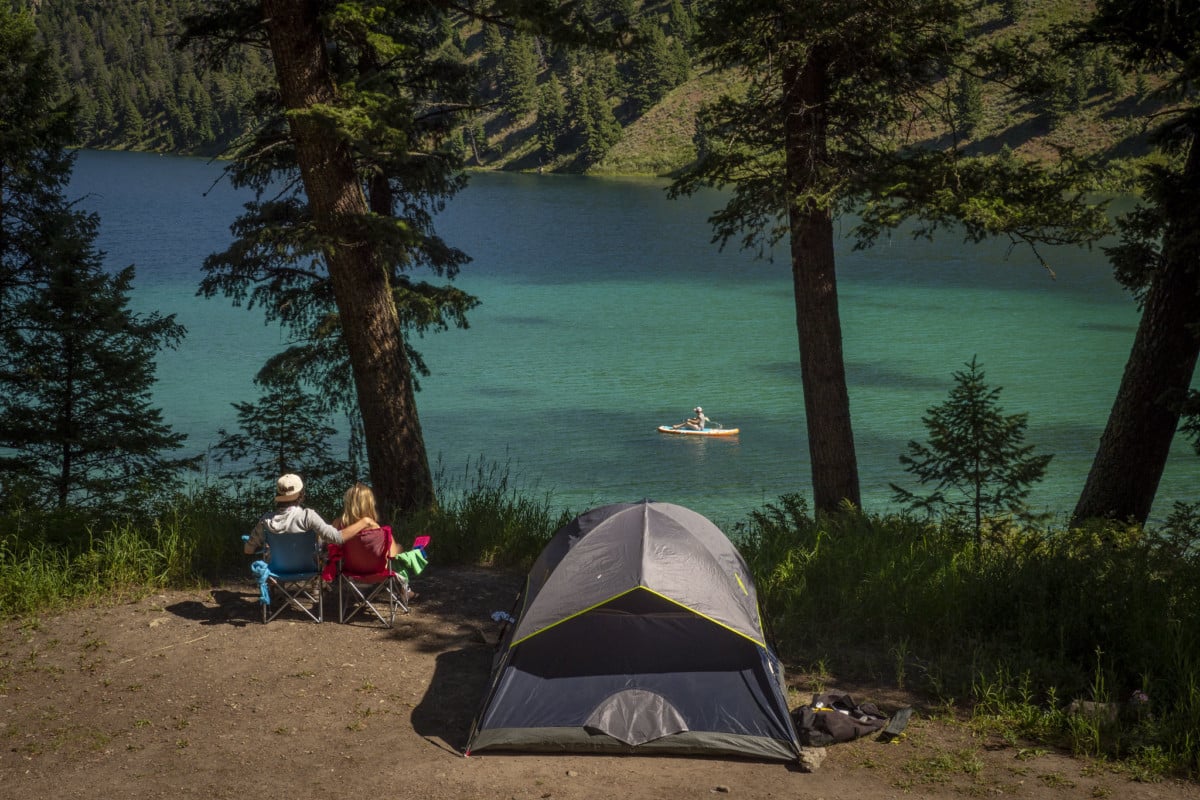
Is there dispersed camping in Beaverhead-Deerlodge National Forest?
Dispersed camping, aka camping off-grid, is a great way to spend time in nature. Beaverhead-Deerlodge National Forest offers many opportunities for you to pursue this type of camping. Like backcountry camping, it’s best to pursue dispersed camping once you have some experience under your belt.
Like other campsites, storing all your food in a bear-resistant food storage locker when you are dispersed camping is necessary. This will ensure you’re doing everything you can to avoid bear encounters.
There are two designated areas for dispersed camping that you can utilize:
Is there group camping in Beaverhead-Deerlodge National Forest?
Don’t feel comfortable camping alone? Beaverhead-Deerlodge National Forest features a few group camping areas you can take advantage of. These group camping areas are typically larger and offer amenities like larger firepits, tables, and grills to account for the extra people staying at the campsite.
The below options offer group camping sites that you can check out. Each spot has different amenities and benefits. The Butte-Jefferson Ranger Districts are great for those who want to do as many recreational outdoor activities as possible. The Dillon Ranger District provides a simpler setup with picnic and rockhounding areas.
Is there RV camping in Beaverhead-Deerlodge National Forest?
There are many more RV camping sites than group campgrounds in Beaverhead-Deerlodge National Forest. So, if you’re planning on heading to the national forest with an RV, you’ll find plenty of sites that meet your needs.
Some campsites have bathrooms and drinking water available. Others have more minimal amenities, like a firepit and picnic table. Make sure to check out the RV campground before making a booking to ensure it meets your needs.
Here is a list of RV camping sites that are available:
- Delmoe Lake Campground and Picnic Area
- Lowland Campground and Picnic Area
- East Creek Campground
- Grasshopper Campground and Picnic Area
- Basin Canyon Campground and Picnic Area
- Madison River Campground
- Mill Creek Campground
- East Fork Group Picnic Area
- Flint Creek Campground
Do I need to have a backcountry permit for Beaverhead-Deerlodge National Forest?
Yes, you need a permit for Beaverhead-Deerlodge National Forest if you’re planning on backcountry camping. You’ll also need a permit for activities, like purchasing wood from the forest.
However, if you’re only planning on hiking and exploring the trails, you don’t need a permit to enter this national forest.
Avoid going off trail in this forest since it’s quite large, and it’s easy to get lost. If you have the urge to hike in a more remote part of the forest, there are lesser-used trails that you can take instead.
What do I need to know about having a campfire in Beaverhead-Deerlodge National Forest?
If you plan on building a campfire while spending time in this national forest, you must first check for any campfire alerts. Assuming no alerts are in place, you can build a campfire safely using the below notes.
- Always use a designated campfire ring. The only exception is when you’re not in a designated camping area. Then, you can make a campfire ring with a circle of rocks.
- Ensure that any flammable items (leaves, pine needles, etc.) are moved away from the fire ring before building a fire.
- Make sure your campfire stays small.
- Always keep a shovel and sufficient water nearby to extinguish the fire.
Can I bring my dog to Beaverhead-Deerlodge National Forest?
You can bring your dog on trails throughout the forest. However, dogs should always be leashed when you’re in the forest. Of course, picking up after your dog is necessary to help keep the forest in optimal shape.
As for bringing your dog to campgrounds, each campsite has different rules, so you’ll need to check ahead before making arrangements. Dogs are not allowed in the swimming areas, so keep your furry friend out of the water. There is one exception to this rule, which is if your dog is a guide dog. In this case, your dog is permitted in swimming areas.
What do I need to know about bears in Beaverhead-Deerlodge National Forest?
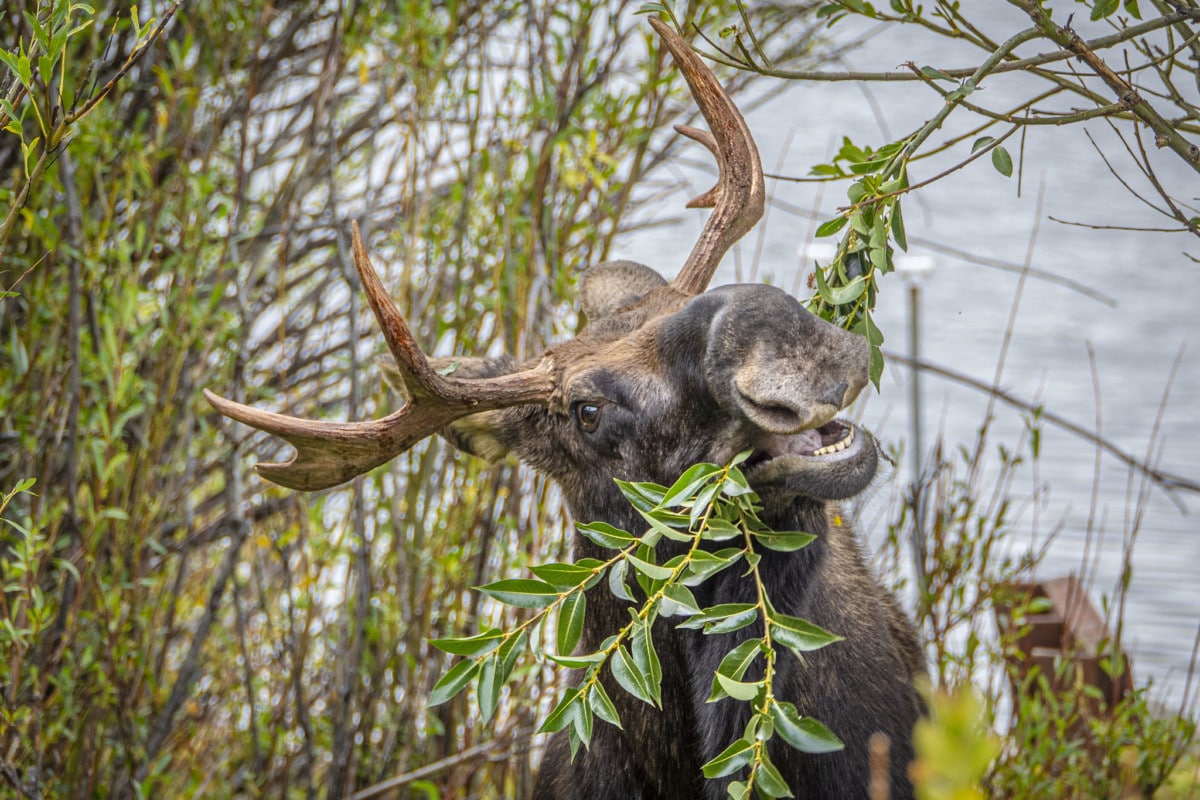
It’s important to remember that the Beaverhead-Deerlodge National Forest resides in bear country. So, it’s necessary to take the proper steps to avoid encounters. In this protected area, you’ll find a grizzly bear population thriving. While bears are in the forest, there’s no need to be afraid. Follow the below notes to help keep yourself safe:
- Any food brought into the forest must remain in a bear-resistant storage locker. Keep all food in this locker that you’re not currently eating. This applies even while you’re cooking your meals.
- Do not leave any food waste behind, as bears have a great sense of smell, which will attract them. You can keep your food waste in a bear-resistant storage locker until you can get to a garbage bin in the park.
Hiking trails in Beaverhead-Deerlodge National Forest
Since the Beaverhead-Deerlodge National Forest is quite large, you’ll find many available trails for your excursion, which are among the best . Remember that these trails are multipurpose for hikers, bikers, and horseback riders. Stay alert while on the trails so you don’t get in the way of any horses.
Hollow Top Lake
Difficulty: Hard
Distance: 10 miles
The Hollow Top Lake trail is a harder trek that takes you out and back with a total distance of 10 miles. It’s necessary to plan for this hike, as it takes most people about six hours to complete. You can follow this trek as a backpacker, hiker, or horseback rider.
It’s a more remote trail in the national forest, where you’re unlikely to see many other hikers. Ensure you’re appropriately prepared with sufficient water, snacks, and food for the entire hike. If you don’t feel comfortable pursuing a challenging hike by yourself, bring a friend who is an advanced hiker.
Upper Potosi Hot Springs
Difficulty: Easy
Distance: 1.6 miles
Want a way to enjoy the Beaverhead-Deerlodge National Forest without hiking for hours? The Upper Potosi Hot Springs route is marked easy and only takes about half an hour to finish. This route will take you out and back for 1.6 miles.
Keep an eye out for the local wildlife, as this trail is well-known by birders. You may even see a bear on this trail, so bring bear spray.
At the trail’s end, you’ll find a small hot spring. You can swim in the hot spring, though you can only fit about six people into the pool. In the evening, this trail lends the perfect spot for star gazing.
Gorge Lakes Trail
Difficulty: Moderate
Distance: 6.5 Miles
The Gorges Lake Trail is a moderate trail with stunning views of the lake as you wind your way over this 6.5-mile out and back. This trail is ideal for hiking, camping, and birding. Like the Hollow Top Lake trek, you’ll find this trail peaceful and quiet.
The trailhead can be challenging to reach with a regular car. You can bring bikes and ride four miles to the trailhead if you don’t have an off-roading vehicle. This trail is dog-friendly, and there are even some off-leash areas for your pup.
Expect the hike to take around four hours, so plan accordingly.
Peacock Creek Trail
Difficulty: Moderate
Distance: 2.4 Miles
You’ll find Peacock Creek Trail nearby Sheridan, Montana. While on the Peacock Creek Trail, you’ll have views of lush meadows as you trek up the mountain. It’s a lollipop loop, so be on the lookout for signs toward the top of the mountain to avoid confusion.
This trail takes about two hours from start to finish, making it the perfect route for hiking or walking. For the best views, head to this trail between March and October. This route is another dog-friendly trail, like most in the national forest. Keep your dog on a leash unless the area is marked as off-leash to help the environment.
Cliff Mountain
Difficulty: Moderate
Distance: 11.7 Miles
Cliff Mountain is ideal if you’re looking for a route that will keep you in nature for about six hours. This trail is an 11.7 out and back trek with some rocky terrain. It’s best to avoid this trail if you’re visiting in colder months, as the snow can make it challenging to find the trail.
June through September is the best time to head to Cliff Mountain. This route begins rocky, then leads to a logging road, which eventually turns into a trail. You’ll finish at the top of the mountain, which offers a stunning panoramic view of the land below.
Albro Lake Trail
Difficulty: Hard
Distance: 16.4 Miles
The Albro Lake Trail requires a full-day excursion, as the trail takes you out and back for 16.4 miles. You’ll find this trail situated near Harrison, Montana. Expect the trek to take about 8.5 hours.
This trail offers diverse views of wildflowers, lakes, rivers, forests, and wildlife. You can use the trail for hiking or backpacking. Plenty of spots will work well for camping overnight if you want to split the trail into a few days.
The Albro Lake Trail is a hard route, so it’s best for advanced hikers. Only take this trail with the proper gear and experience.
Have you been to Beaverhead-Deerlodge National Forest? Let me know your experience in the comments!
Like this post? Save it for later!
Want more information on Montana? Check out these articles:


