
The Ultimate Guide to Shoshone National Forest
One thing that most visitors out west don’t realize is that there are plenty of places to recreate that are not national parks. Shoshone National Forest is one of these underrated gems. With fantastic hiking trails, gorgeous Wyoming views, and millions of acres to explore, you could spend your entire time in the Cowboy State just wandering through Shoshone. Here are my recommendations and info you need to know in order to make the most of your time in these glorious public lands!
Everything you need to know about visiting Shoshone National Forest
This guide covers what you need to know when you’re planning on exploring Shoshone National Forest.
[lwptoc hideItems=”1″]
Map of Shoshone National Forest

Where is Shoshone National Forest?
Shoshone National Forest covers an impressive amount of land, about 2.5 million acres. It is the first national forest in the U.S. that’s federally protected, making it a special spot for hikers and campers to explore. The Shoshone Forest is situated near Cody, WY, in the northern Rocky Mountains and includes areas like the Wind River Range.
This national forest is named after the Shoshoni people, who have considered the area their home for years. This is one of the most stunning Wyoming forests, including views of alpine lakes, historic sites, plateaus covered in wildflowers, and rugged mountain peaks.
You can pursue many activities at this national forest, from hunting to mountain biking, horseback riding, and more.
How do I get to Shoshone National Forest?
You can reach Shoshone National Forest from Cody easily via car. Once you’re at one of the forest entrances, you can elect to drive along multiple scenic byways. These pathways are outlined on the MVUM (Motorized Vehicle Use Maps) found on the USDA Forest Service website.
Any pathways not found on these maps are not open for public use. It’s essential to make sure you’re using the correct pathways.
Some backcountry routes are also strictly for backpacking, hiking, mountain biking, and horseback riding. These routes will help you explore the park more thoroughly. You can find these maps online with downloadable versions for a more convenient trip. An additional fee varies depending on the map(s) you select.

When is the best time to visit Shoshone National Forest?
The beautiful Shoshone National Forest is a great park to visit regardless of the season. It’s best to plan a visit to Shoshone Park depending on the type of activities you want to pursue. June and July are ideal for warm weather activities as they present drier weather.
Springtime offers the best waterfall views, as it’s the rainy season. The rains cause the falls to become stronger and have a heavier water flow. You can view these falls anytime between April and June. Fall is the best for hiking nearby the falls, with September and October offering the most pleasant weather.
Winter is ideal for avoiding crowds and scenic snowy drives. Plan your arrival in the early winter months (November and December) before there is too much snow accumulation to avoid road closures.

Can I camp in Shoshone National Forest?
You can camp in Shoshone National Forest, with campsites that offer varying amenities. These amenities range from flush or vault toilets to running water sources. This national forest is best for camping in a tent, small RV, or camper. None of the campsites include RV hookups or showers, so keep this in mind when planning your visit. There is also a maximum stay of 16 consecutive days allowed per camper.
Shoshone National Forest includes an array of campsites like:
- Crazy Creek Campground
- Dead Indian Campground
- Clearwater Campground
- Clearwater Group Site
- Pinnacles Campground
- Little Popo Agie Campground
- Louis Lake Campground
- Jack Creek Campground
Can I rent a cabin in Shoshone National Forest?
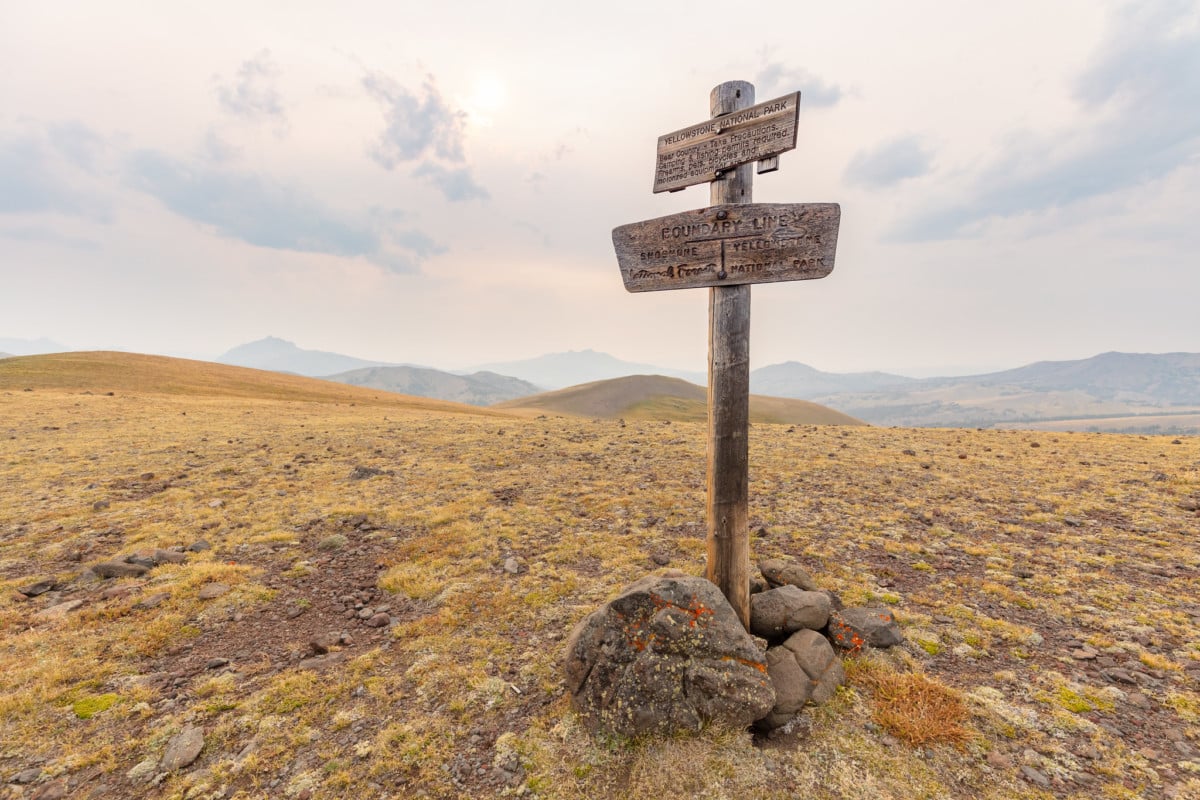
If camping without a shower or hookups seems too overwhelming, there is an option for a cabin stay. As only one cabin is available on the premises, you’ll want to book this accommodation in advance. This cabin can hold up to eight people and can be reserved for a maximum of 16 days.
A stay at the cabin includes three bedrooms, a fireplace, and a full kitchen. You’ll find this cabin in Sunlight Valley. As with many areas in the forest, there is no cellphone reception at the cabin. Ensure you alert friends and family not traveling with you that you’ll have no reception during your stay.
Shoshone National Forest cabin options:
Is there dispersed camping in Shoshone National Forest?
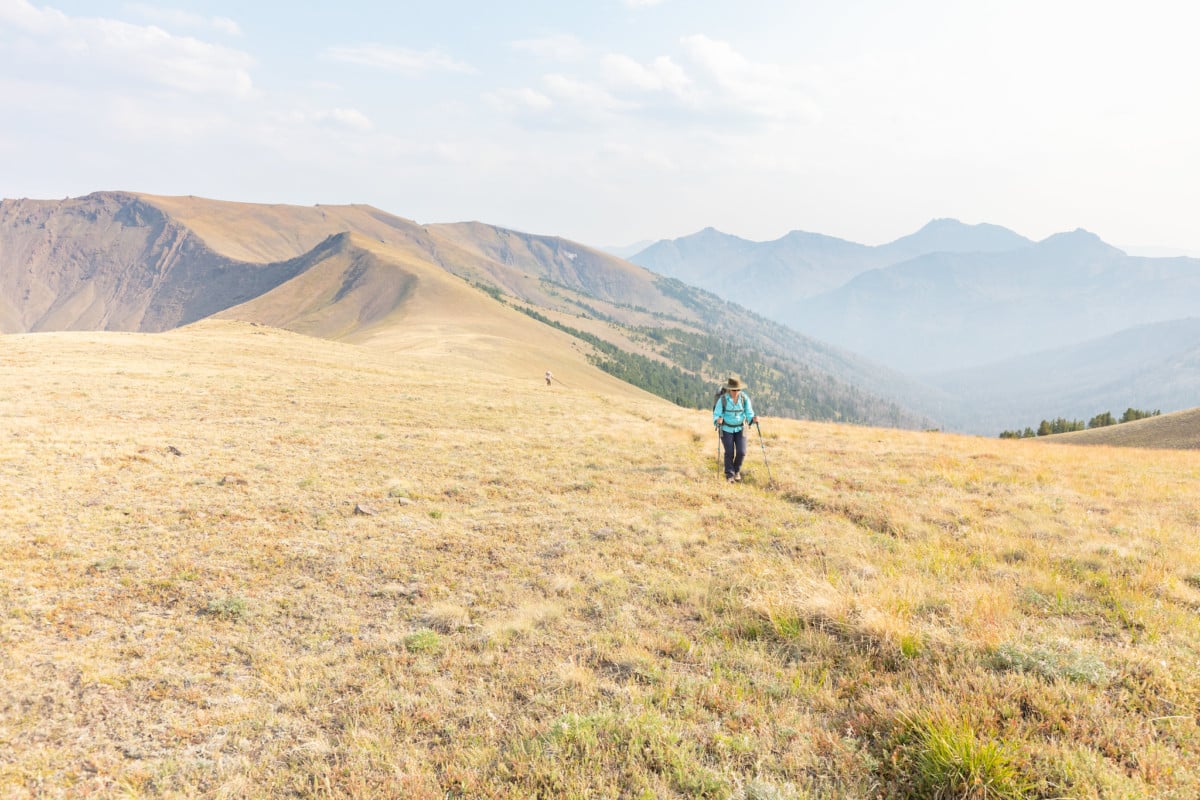
There are plenty of dispersed camping opportunities in Shoshone National Forest. This type of off-the-grid camping ensures you are fully immersed in nature. It’s an excellent option for intermediate and advanced campers who want a break from technology and modern comforts.
Dispersed camping in this national forest comes with an added perk – there are no fees for this type of camping. You’ll need to follow some rules while camping off the grid, including keeping campsites at least 200 feet from lakes, trails, wet meadows, streams, and creeks.
Other rules include keeping food in a bear-proof storage container and limiting your group size (depending on the area you want to camp in).
Is there group camping in Shoshone National Forest?
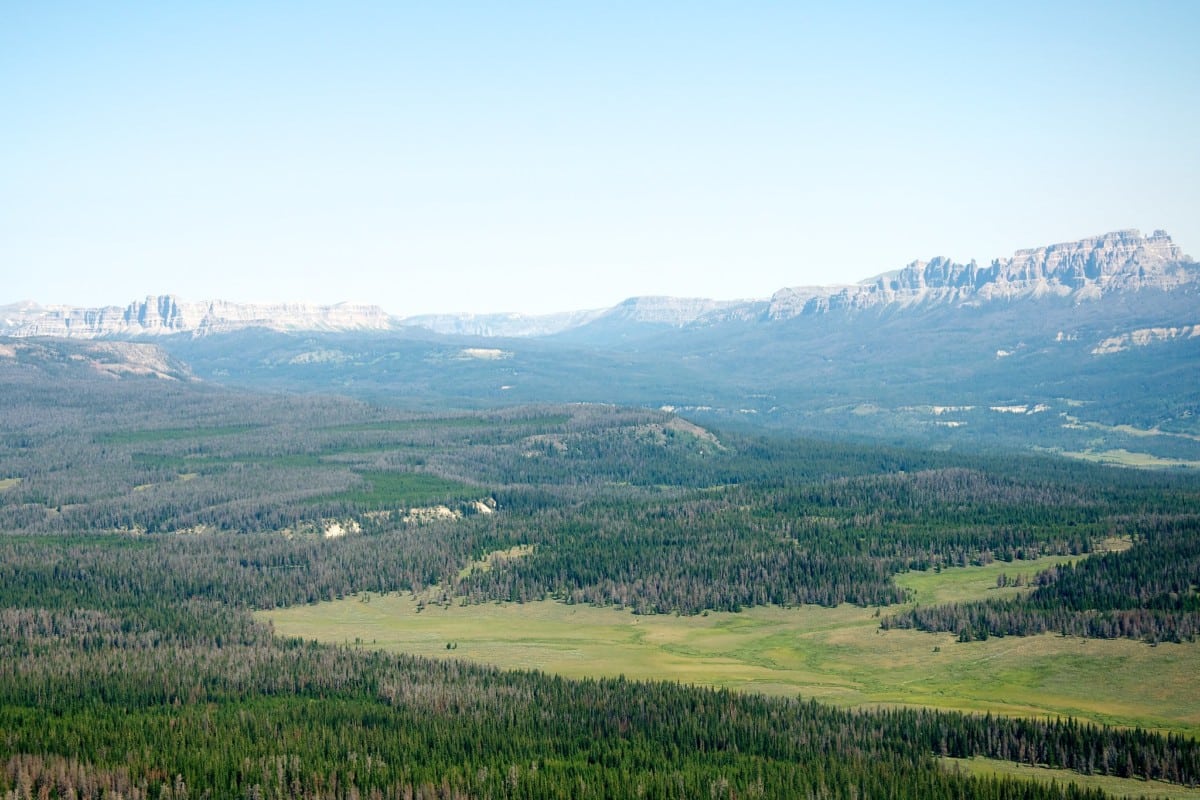
If you plan on bringing a larger group to Shoshone National Forest, you can skip separate campsites and select a group campsite instead. This national forest offers one spacious group campsite which can hold up to 50 people.
This group camping area has shade-covered areas, picnic tables, and fire rings. There is a 40-foot maximum spur at this campsite, so avoid bringing RVs longer than 40 feet. This campsite does not have any water sources, so ensure you come prepared with food, water, and all the tools necessary for a camping trip.
Like the cabin, there is no cellphone service available at the group campsite.
Group camping options at Shoshone Forest:
Do I need a backcountry permit for Shoshone National Forest?
You do not need a backcountry permit for Shoshone National Forest; you can camp off-the-grid for free here. This national forest also offers free entry; there is no admission fee when heading into the park. Any campgrounds that do not feature services like electricity, water, and garbage collection are free to camp at.
Some campsites require a fee of $10-$20 per night, though they typically include some or all of the above services. It’s best to research your campsite options based on your needs before committing to a camping area.
What do I need to know about having a campfire in Shoshone National Forest?
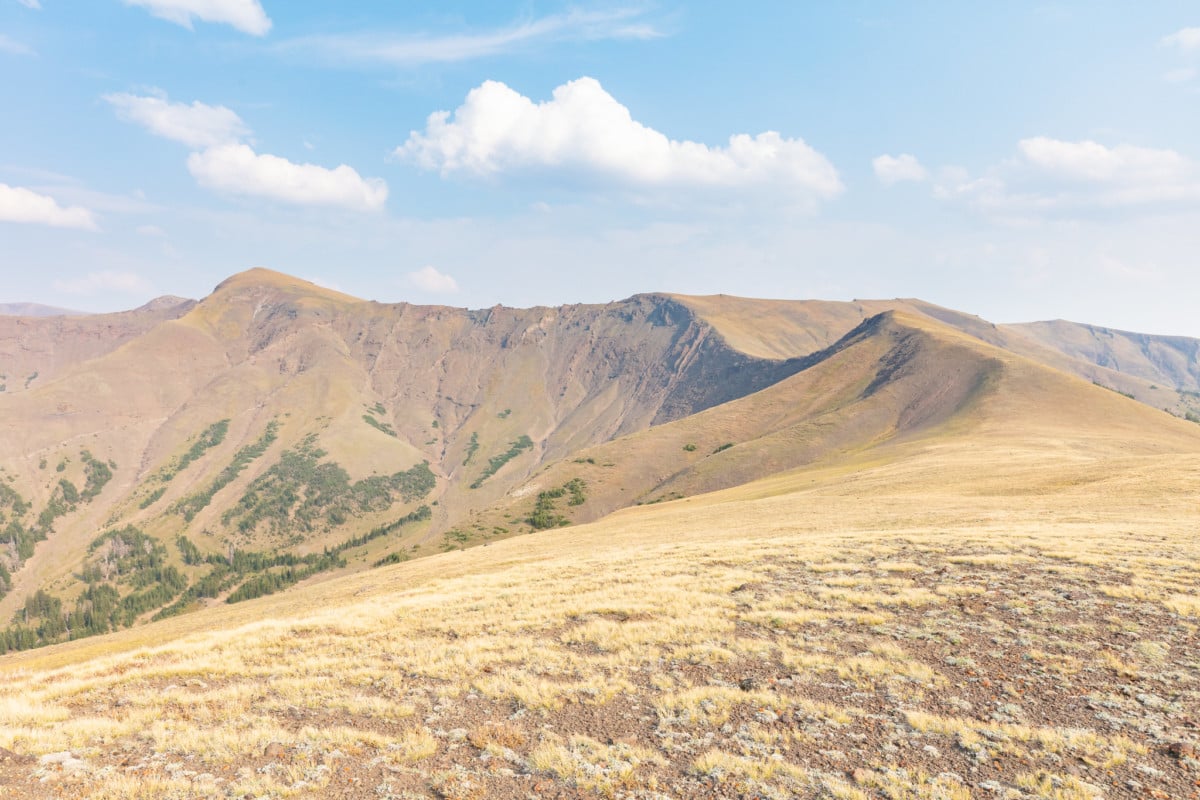
Campfire regulations and rules vary depending on which area of Shoshone National Forest you’re in, so it’s best to check the alerts and rules before planning a camping excursion. Some sections of the park only allow campfires in well-established camping areas. In other forest areas, you can set up campfires while dispersed camping.
Here are some notes to keep in mind when creating a campfire in Shoshone Park.
- Only create campfires in fire rings in developed recreation sites (or other designated areas).
- Avoid creating campfires when dispersed camping in the North Fork Canyon area.
- Always contact the local ranger district office before camping to see if there are any new alerts not yet listed on the website.
- Ensure fires are fully put out before leaving the area to help prevent forest fires.
Can I bring my dog to Shoshone National Forest?
Yes, you can bring your dog to this national forest! You’ll need to ensure that your pup is leashed and restrained when you’re in developed recreation sites. Dogs are not allowed in certain areas of the park, such as swimming areas. However, guide dogs can be in the swimming area with you.
Other animals are also allowed in the park, such as saddle or pack animals (like horses). If you plan on bringing a horse, stay within the designated areas. As a side note, it’s prohibited to tie your horse to a tree or area that will harm the environment.
What do I need to know about bears in Shoshone National Forest?
Grizzly and black bears are found in Shoshone National Forest, making it necessary to follow precautions for a safer trip. Black bears are typically not aggressive, while grizzly bears are only aggressive when surprised or caught off guard. Adhering to the notes below will help you avoid hostile bear meetings.
- Always carry bear spray with you, and know how to use it.
- Hang food and keep it properly stored so that bears do not follow the scent to your campsite. This note is important for any camping area, including developed and dispersed sites.
- Don’t head out into the wilderness alone; always travel with a camping buddy.

Hiking trails in Shoshone National Forest
With around 2.5 million acres to explore, you’ll find a large number of trails that you can travel on. These trails offer various views, from mountain peaks to Shoshone Lake and Shoshone River. There are sure to be at least a few trails that fit your preferences and hiking experience, ranging in difficulty.
Popo Agie Falls Trail
Difficulty: Moderate
Distance: 3.3 Miles
The Popo Agie Falls Trail is found near Sinks Canyon State Park, offering an easy to moderate trek for hikers and horseback riders. Dogs are permitted on this trail, so you can feel free to bring along your pup. There are even some off-leash areas where your dog can have free reign.
This trail is out-and-back, typically taking about an hour and forty minutes to complete. Before heading back, you’ll find a resting spot near cascading waterfalls at the end of the trail. There’s also a swimming area along the hike, so you can take a dip and cool down on hotter days.
Beauty Lake Trail
Difficulty: Easy
Distance: 3.9 Miles
Also an out-and-back route, the Beauty Lake Trail is ideal for those who want an easier trek. It’s a great route for anglers, campers, and hikers. This route is more popular, so it’s best to arrive earlier to escape the crowds. Dogs are also welcome, but they must on a leash at all times.
The Beauty Lake Trail begins at Beartooth Pass near a campground. Then, you’ll continue around the lake for stunning water views and a relaxing trek. Along the route, you’ll encounter a stream, waterfalls, and lush meadows. Make sure to bring an extra pair of socks, as you’ll likely get your feet wet crossing the stream.
Bridal Veil Falls
Difficulty: Moderate
Distance: 3.9 Miles
While Bridal Veil Falls is the same distance as the Beauty Lake Trail, it typically takes about 30 minutes longer to complete because of a rock scramble near the falls at the end of the trail. Expect to spend over two hours completing the Bridal Veil Falls Trail.
Some areas also have loose dirt, so it’s best to wear hiking boots and bring hiking poles for this route. April to October is ideal for visiting this route, as it allows you to avoid a slick trail. Since there is a steep climb near the falls, this trail is not ideal for those with mobility issues, young kids, or elderly hikers.
Stough Creek Basin Trail
Difficulty: Hard
Distance: 14.8 Miles
Want to challenge yourself on a full-day hike? The Stough Creek Basin Trail is a great option for intermediate to advanced hikers. It takes about seven hours to complete this challenging trail, featuring stunning mountain and water views. You’ll also find campsites along the trail if you want to break up the route into two or three days.
Since this trek is challenging, it’s best to pack a light backpack. Otherwise, you may get tired too quickly. You can also ride horseback on this trail for a more leisurely excursion. Keep an eye out for wildlife on this trail, as you may encounter moose, bears, and other forest critters.
Jade Lakes
Difficulty: Moderate
Distance: 5.4 Miles
Situated near Dubois, Wyoming, Jade Lakes is a moderately challenging route. This looping trail is not typically crowded, so it’s a great spot for a quiet hike in nature. June through September is the ideal time to hike on this trail.
This trail has many intersecting paths, so it’s best to follow a paper or offline map to avoid confusion. There is a lake on the trail where you can jump in and take a swim on hot days. Bathrooms are also available along this route, making it a pleasant option for hikers.
Silas Lakes Trail
Difficulty: Moderate
Distance: 6.9 Miles
The Silas Lakes Trail is an out-and-back route ideal for runners, walkers, and hikers. Keep an eye out for rocky patches, as there are multiple rock-filled spots throughout the trail. There’s a combination of hills and flat areas, making it an exciting route.
An easy-to-follow trail makes this an exceptional route for hikers. While you can visit this trail in the winter, the route does become more confusing and challenging due to heavy snow accumulation. It’s best to travel to Silas Lakes Trail during warmer months.
Make sure to bring bug spray when hiking this trail, as there are quite a few mosquitos nearby the lake. You’ll also see other insects, like butterflies, along the route.
Have you ever made it Shoshone National Forest? Let me know in the comments!
Like this post? Save it for later!


Want more information on Wyoming? Check out these articles:


