
How to Choose Waterproof Hiking Boots and Shoes
This post is sponsored by adidas. All content and opinions are my own.
When exploring the outdoors, I encourage you to follow Leave No Trace Principles and be respectful of where you are so we can preserve these spaces for future generations. ♥️
Planning on choosing a new pair of waterproof hiking boots or shoes?
So you have been thinking about your current hiking footwear and you’ve been wondering if you should take a look into something a bit more, well, waterproof. Either you have noticed that your feet aren’t as dry as you would like them to be after a river crossing or rain shower, or you aren’t sure that your current hiking boots are up to the task.
I’ve personally run into this problem when choosing the ideal set of boots for myself–especially when it comes to making sure that they are lightweight enough but also have enough fabric to keep my feet dry. As we know, wet feet are killers for hikers, and finding that balance is always the challenge when it comes to finding the right waterproof boots.
However, there is a solution to this that includes doing your research beforehand into the brand and the materials that are used. This can not only keep you from purchasing the wrong type of boots, but it can also assure you that when you are out on the trail that you can trust in your shoes to keep you dry.
In summary: This article goes over the basics of choosing waterproof boots, including why you might want a pair, different types of materials used, and how to maintain them so they last for future adventures.
Quick tip: I like to head to Alltrails or another hiking app so you can know the conditions beforehand–that will give you an idea of whether or not you need your waterproof hiking boots or not.
Waterproof versus non-waterproof
First and foremost, you are going to want to ask yourself if you need waterproof boots at all or if you are better off with a non-waterproof option. For most day hikes, heavily waterproofed boots might actually make hiking more difficult–especially if you are planning to take them on trails where you aren’t expecting rain or water crossings.
On the other hand, if you are sure that you will be facing the elements like snow or rain and you want a pair of boots that can get you through a light river or stream crossing, then it can actually be dangerous not to have some waterproof materials.
Ideally, you’ll find a pair of boots that protect your feet via a waterproof membrane while also releasing moisture from sweat for your feet. They will also dry quickly so you aren’t walking for miles with waterlogged shoes.
Advantages of waterproof boots
There are some definite advantages to choosing waterproof boots over non-waterproof options or trailrunners. Here are some reasons why you might want to head to your local outdoors store and try a few on:
- Better protection against elements.
- Fewer blisters and sores due to rubbing boots.
- Usually sturdier than trailrunners and might provide ankle support where they cannot.
- More durable and likely to last longer.
Disadvantages of waterproof boots
Of course, there are always downsides to choosing one thing over the other, and the same goes for opting into waterproof boots over trailrunners or non-waterproof options. Here are some reasons to consider other footwear for this purpose:
- Boots trap sweat in, meaning that your feet can be soggy regardless.
- Heavy and can be overkill for short hikes.
- Requires regular maintenance and additional products for care.
What to know about waterproof materials
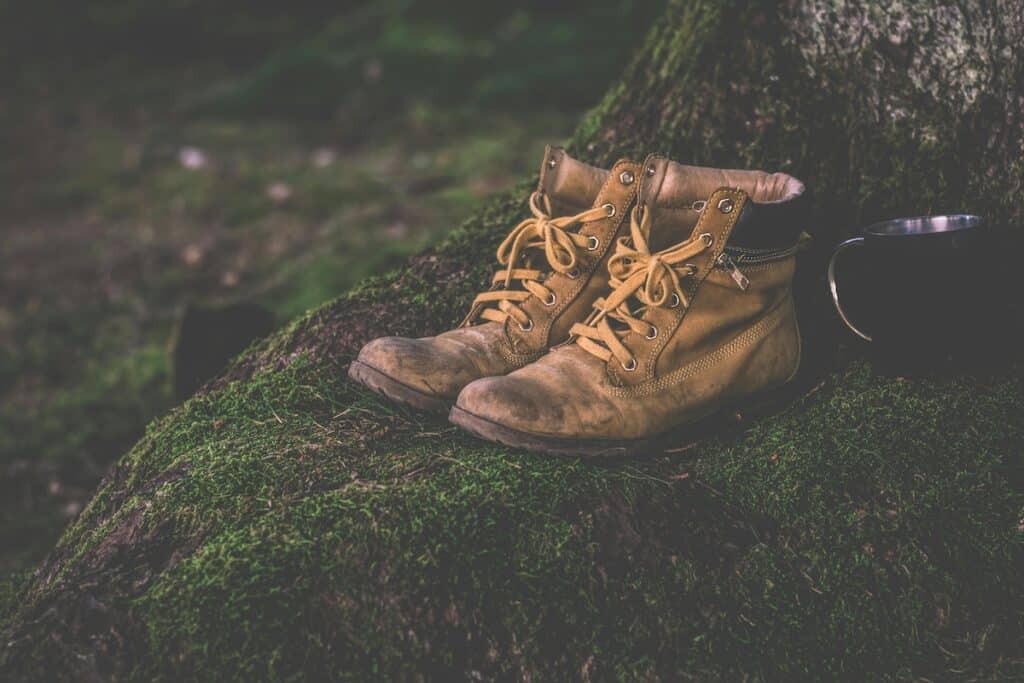
Different types of boots have different types of technology used to keep them waterproof. The most common materials used are rubber, Gore-Tex, leather, and neoprene. Of course, all of these have positives and negatives, and what you’ll ultimately end up choosing will be related to the activities you’re doing outside as well as price and how much maintenance you’re willing to put into them.
I’ve included some of the reasons for and against each of these below.
Rubber
Rubber is really the most effective against water–there’s a reason that you’ll see Arctic explorers walking around in rubber boots! However, as far as being lightweight and comfortable, these types of boots can weigh you down over miles of hiking. They also trap heat inside, meaning if you are working up a sweat, then your socks will be soaked in no time.
Leather
A pair of leather boots can be a good option if you want protection from water, but you don’t want it to be your entire personality. Leather also looks much more fashionable than some of the other options you might purchase. They also aren’t 100% waterproof and they do require regular maintenance as well. Like rubber boots, they also trap a lot of sweat inside them and aren’t super breathable.
There are usually two types of leather boots that you can find on the market: nubuck and full-grain. You also might occasionally run into suede. I have a full guide on how to choose hiking boots that I would definitely recommend you check out if you are interested in a pair of leather boots.
Gore-Tex
The most common material you’ll see waterproof hiking boots and shoes made out of other than leather is Gore-Tex. While it’s not totally waterproof either, it is incredibly durable and is what I typically look for when purchasing a new pair of hiking boots or shoes. Again, you do have the issue of breathability (but what types of hiking boots don’t), but overall Gore-Tex tends to do the job of protecting your feet from water and will last longer than other materials.
What to know about waterproof technology
We’re going to take a look at what type of waterproof technology is used when putting together waterproof hiking boots and what you should be aware of before you go ahead and purchase a pair.
Membranes
These are what protect your feet and make up the majority of the shoe. For the most part, this is the “waterproof” part you need to worry about when you are looking at different options to buy.
Durable Water Repellent (DWR) coatings
Coatings like Durable Water Repellent (DWR) are typically added by the manufacturer over the whole of the boot or shoe. Over time and use, this can wear off and a new coating will need to be applied.
Maintenance
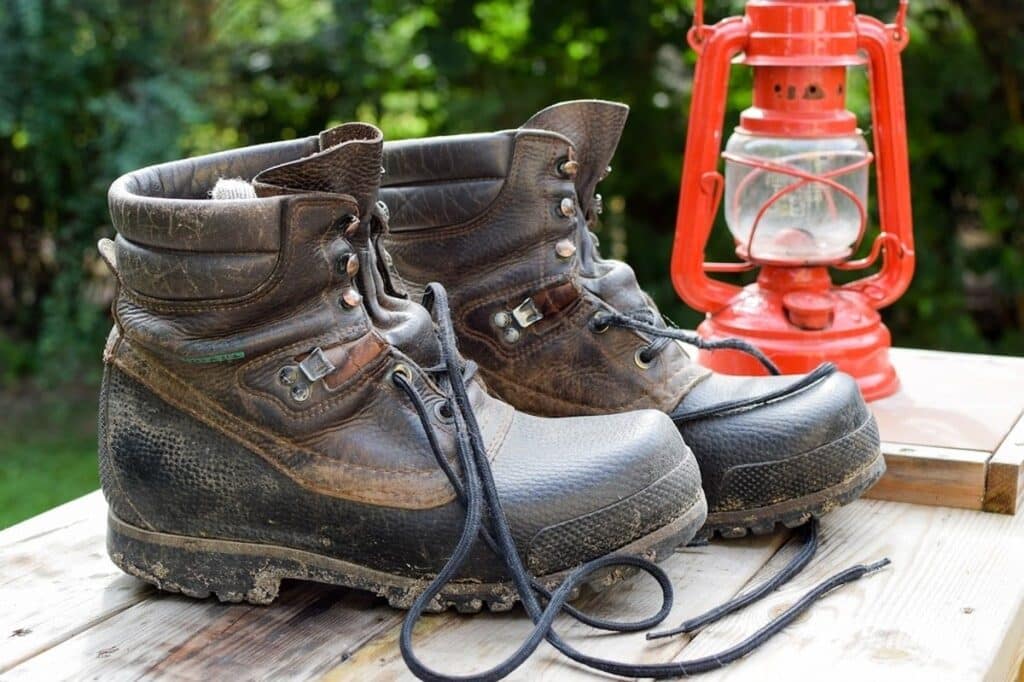
Depending on what type of boots you buy, you might occasionally have to perform some maintenance in order to keep them functional for future use. Mostly, this requires keeping them clean and applying additional coating when needed.
If you have Gore-Tex hiking boots, spraying your boots is not usually needed unless your membrane is worn through. However, at that point, you’re going to want to consider purchasing a new pair anyway.
For leather boots, before you reapply any spray, you will want to make sure that they are thoroughly wet.
Recommended tips for choosing waterproof boots
Here are some personal tips that I have found helpful when I’ve been looking to upgrade or replace my boots and I want a waterproof pair.
- Material matters: Look for boots made of genuine waterproof materials such as Gore-Tex. It’s the difference between a pleasant stroll and squishy, unhappy feet. It’s often worth it to spend a little more on high-quality boots or shoes than suffer the consequences.
- Sole searching: Prioritize a sturdy, gripping sole to tackle those slippery slopes. Imagine having Spider-Man’s feet–that’s the kind of stickiness you’re aiming for.
- Ankle support: High or mid-ankle boots offer the best support for uneven terrain or trails that you feel might be slick. However, in terms of breathability, they can make things a bit sweatier. It’s all about weighing what you need specifically for your hike and if shoes might be a better option.
- Breathability: Even waterproof boots need to breathe! This keeps your feet from feeling like they’re in a sauna. You want your boots or shoes to whisper sweet nothings to your feet, not suffocate them.
FAQs for choosing waterproof hiking boots and shoes
Here are some frequently-asked questions I get from readers looking to decide if they want to go with purchasing waterproof hiking boots and shoes or not.
Conclusion
I hope this article has done a good job of covering the basics of how to go about choosing your next pair of waterproof hiking footwear. I tried to cover the basics in order to give you an idea of what options are available, as well as additional information that might be useful when making your final decision.
As always, you can let me know in the comments if you have any questions–I’m happy to help you choose your next pair!


