
20 Incredible Seward, Alaska Hikes You Need to Add to Your List
If you are planning on spending on time in Alaska, then you’re going to want to check out some Seward, Alaska hikes while you’re up north. One of my favorite activities on our trip was to enjoy some of the incredible hiking trails available–and then you can hit up some fabulous Seward restaurants after you’ve worked up an appetite hiking.
Seward, Alaska hikes you have to check out on your trip
Looking for the best Seward, Alaska hikes? Here’s a list of trails you’re going to love!
[lwptoc hideItems=”1″]
Harding Icefield Trail
Difficulty: Challenging
Distance: 9 miles
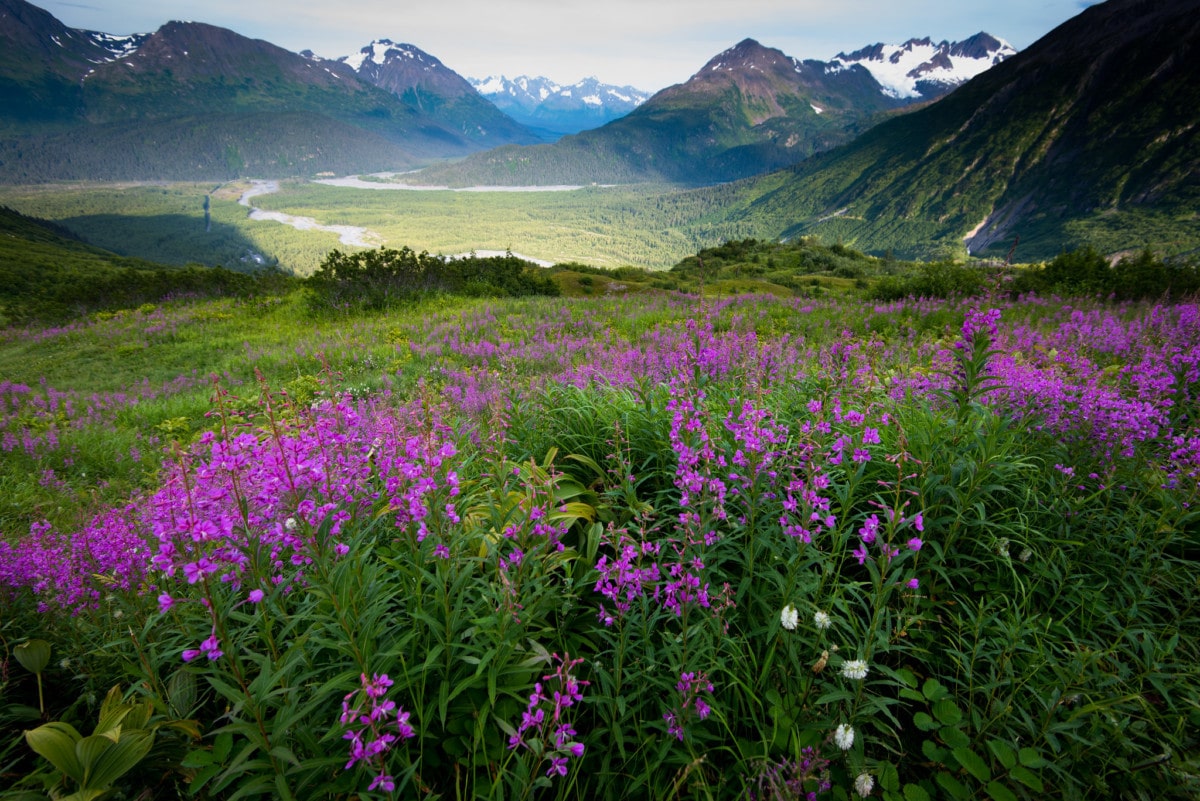
The Harding Icefield is the largest icefield in the United States, with uninterrupted views of natural glaciers. Hikers on this trail will climb an average of 1000 vertical feet per mile, making it a strenuous hike to reach the ice field. This Seward hiking trail is popular with bird watchers, campers, and nature enthusiasts of all types; you will see others on the trail. Because of the steep climb and the possibility of rain and snow, we recommend hikers bring trekking poles. This trek averages between six and eight hours, depending on hikers and weather conditions.

Lost Lake Trail
Difficulty: Moderate
Distance: 14 miles
Perhaps the most famous of all Seward, Alaska hikes is the Lost Lake Trail. This 14-mile there and back style hike offers multiple routes, such as the summer and winter trail, that merge around the five-mile mark. The winter trail is steeper with more roots and boulders, lending itself better to the more adventure-focused hiker.
The following spruce forest gives plenty of shade and, in the summer, a chance to fill your pockets with wild blueberries and salmonberries. The terminus at the lake itself is worth the time to experience. Alaskan meadows with a backdrop of snow-covered peaks are what hikers picture when they think of Alaska, and that’s precisely what they get.
Mount Marathon Hiker’s Trail
Difficulty: Moderate
Distance: 4 miles
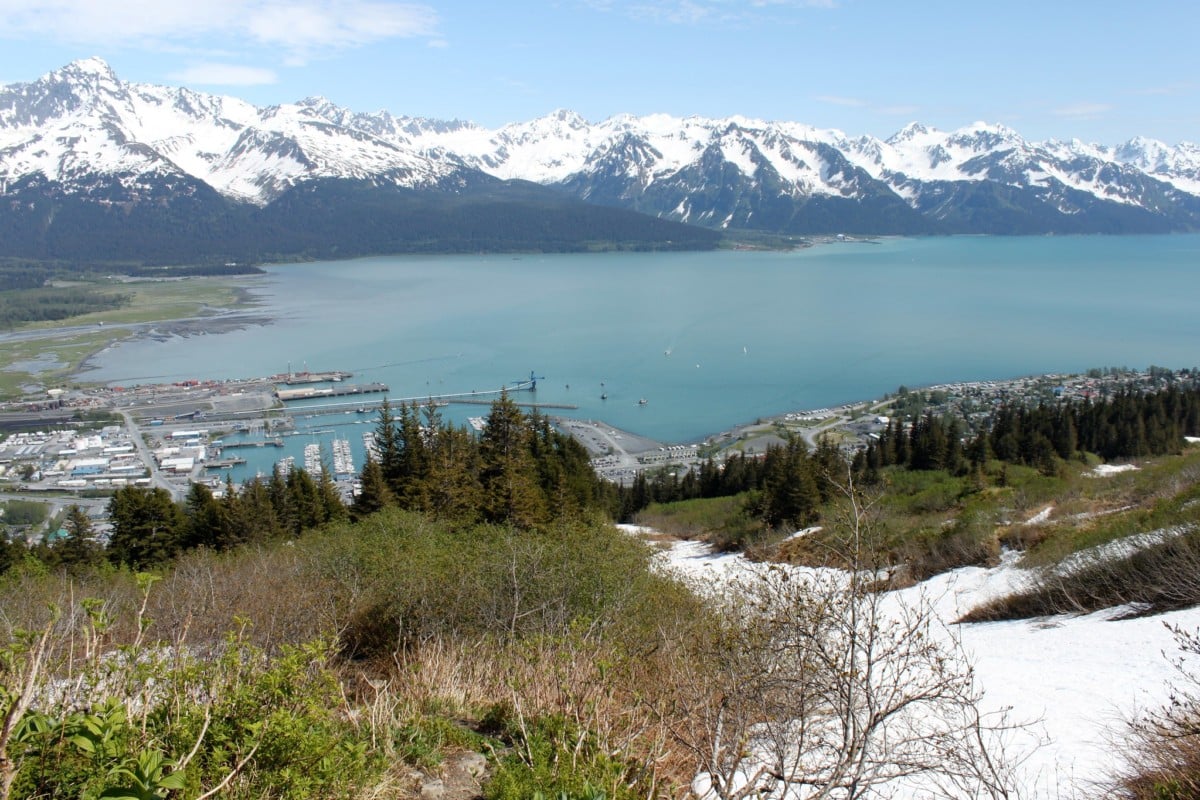
Mount Marathon Hiker’s Trail is not the longest of the Seward hikes, but it offers a jaw-dropping view of Resurrection Bay from its summit. This loop hike gets its name from the marathon races held there. Trail runners race to the top and back; it’s no easy task with an elevation change of nearly 3000 feet. Most hikers will find this trail manageable with its plateaus throughout the hike. Expect this hike to take approximately four hours unless you’d like to see if you can beat the trail record of 41 minutes–definitely something to aspire to when it comes to the best things to do in Seward, Alaska.
Exit Glacier Overlook Trail
Difficulty: Easy
Distance: 2.2 miles
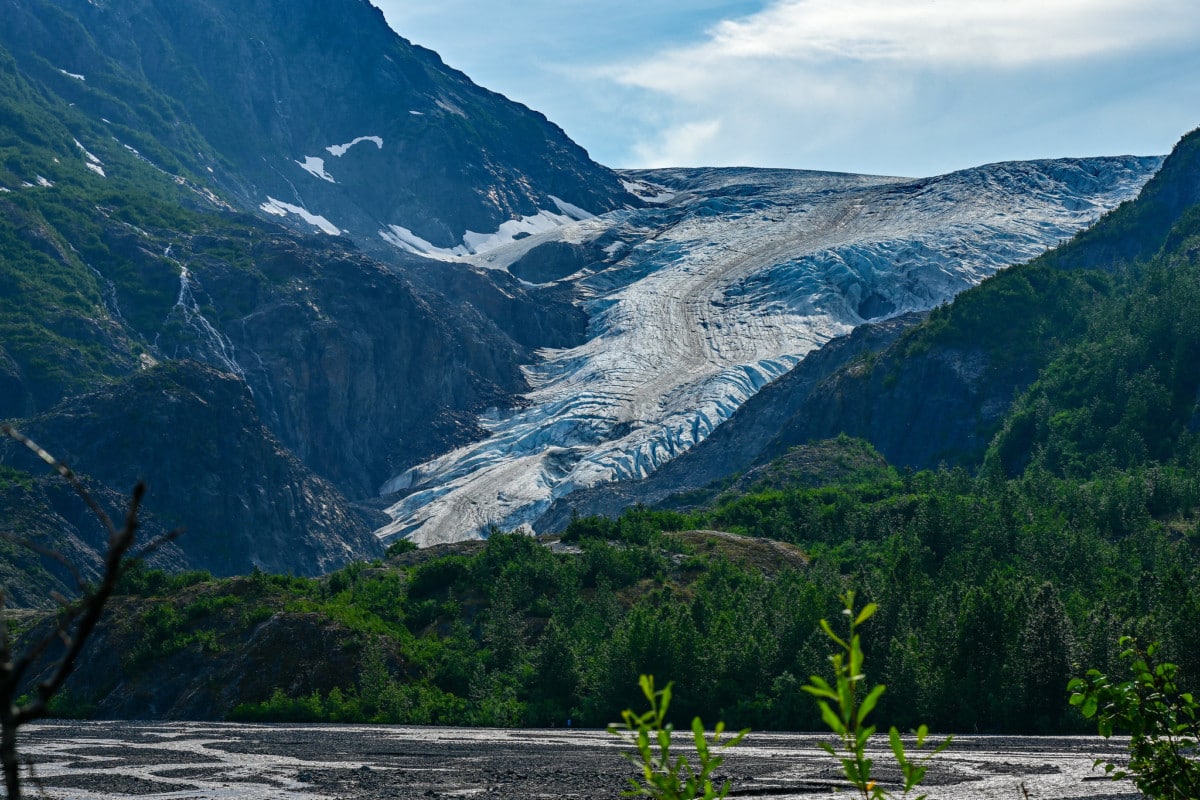
Spilling from the tail end of the Harding Icefield, the Exit Glacier is one of the few places where hikers can walk next to an active glacier as it interacts with the landscape. The Glacier view loop trail or the first .6 miles of Exit Glacier is wheelchair accessible, making enjoying the views of the receding glacier easy for those in wheelchairs or hikers with children in strollers. For a closer view of the glacier, the Glacier Overlook trail extends another half mile up the exposed rock to come closer to the outflow of the melting ice.
Bear Mountain
Difficulty: Challenging
Distance: 3.5 miles
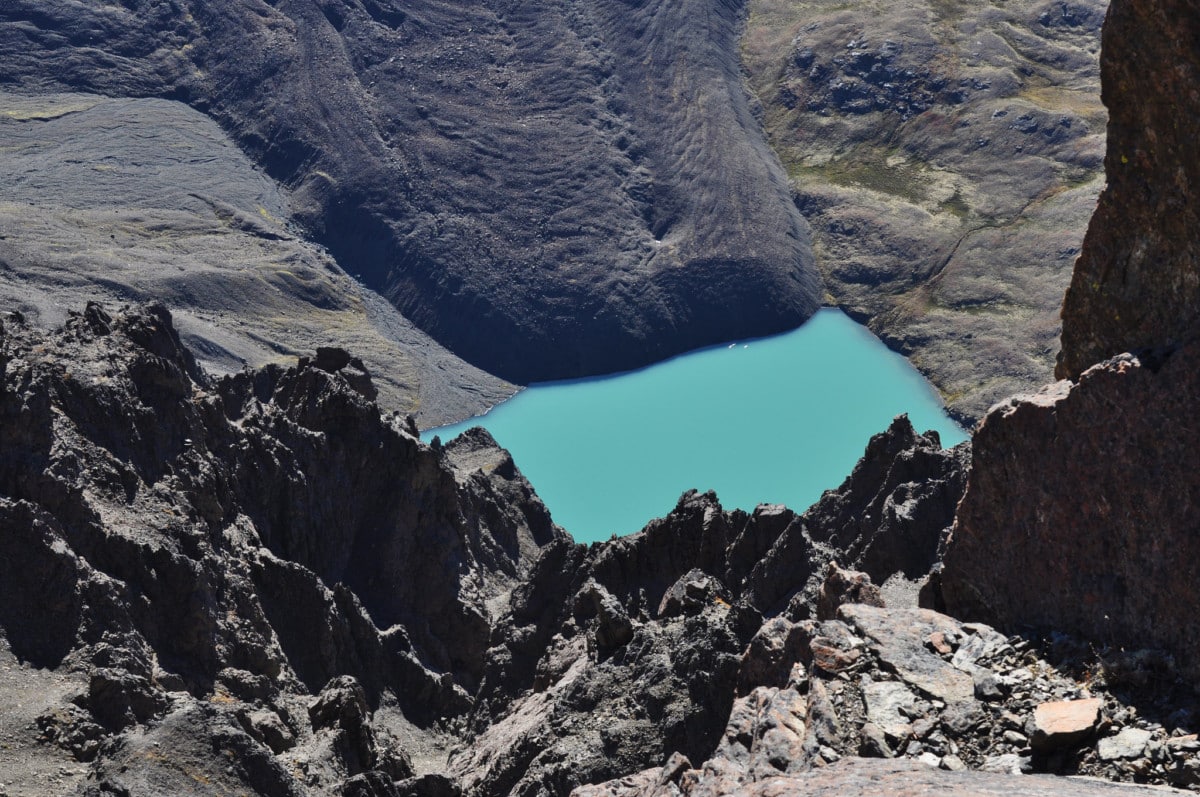
The Bear Mountain hiking trail is a challenging route with steep climbs. While not the longest hike in Seward, the drastic elevation change is enough to make it a hike for seasoned hikers. The trail is not as well known as others, and as a result, there are not as many trail markers as larger or more popular hikes. With the exposed hike up the mountain, a windbreaker or hardshell is recommended should the weather change. The summit of this hike will reward hikers with incredible serenity and views of mirror lake below.

Caines Head Trail
Difficulty: Challenging
Distance: 14 miles
Rewarding hikers with both nature and history, Caines Head Trail is a must-see of Seward, Alaska hikes. This hike across tidal beaches follows old army roads to Fort McGilvray which protected Resurrection Bay during World War Two. Even if history is not your calling, hikers are rewarded with wildlife, from seabirds to otters that play and forage along the shoreline.
While elevation is not a significant concern on this hike, the three miles of this trip are over exposed beaches. The shoreline can be very slippery and is only accessible at low tide. Make sure you read the tide charts carefully, or you may find yourself stranded until the next low tide. Expect this trek to take about eight hours, depending on the tides.

Skyline Jeep Trail
Difficulty: Moderate
Distance: 4 miles
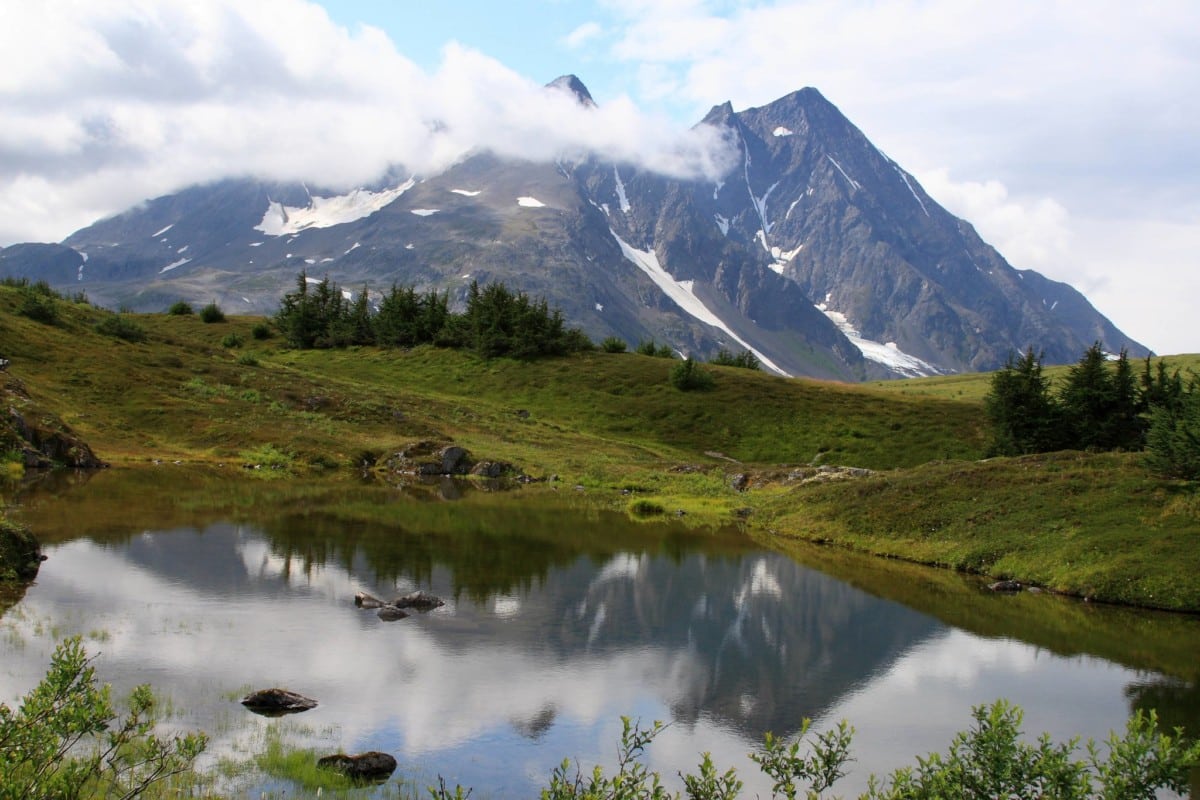
With a trailhead located in downtown Seward, the Skyline Jeep Trail is an excellent option for a quick hike while in town. With an elevation change of 1600 feet, this loop trail is a moderately challenging hike. The beginning of the hike winds through a forested section where wildflowers like fireweed are common.
As the trail progresses, the area becomes more open, giving hikers a chance to spot moose, bears, and birds. At the peak of the hike, hikers are rewarded with a birds-eye view of Seward and Resurrection Bay. With an estimated hike time of two and a half hours, hikers can pack a lunch and return to the trailhead with most of the day left.
Lost Lake via Primrose Trail
Difficulty: Moderate
Distance: 13.3 miles
The Primrose Trail offers a less aggressive hike for hikers looking for a different route to Lost Lake than the summer and winter routes. Primrose Trail is still a steep incline for the first five miles through the forest. There is a “secret” waterfall detour approximately two miles into the forest; the path will fork right before the creek footbridge.
Following this path for ten minutes will lead you to a small waterfall, an excellent place to take a short break and appreciate nature. After the forest, the trail levels out, and hikers are greeted with spectacular views of the lake and surrounding hillsides. Primrose trail is a popular camping area both at the trailhead campground and along the trail. While hikers can complete this hike in about six and a half hours, the lake deserves extra time to enjoy.
Ptarmigan Lake Trail
Difficulty: Moderate
Distance: 6.8 miles
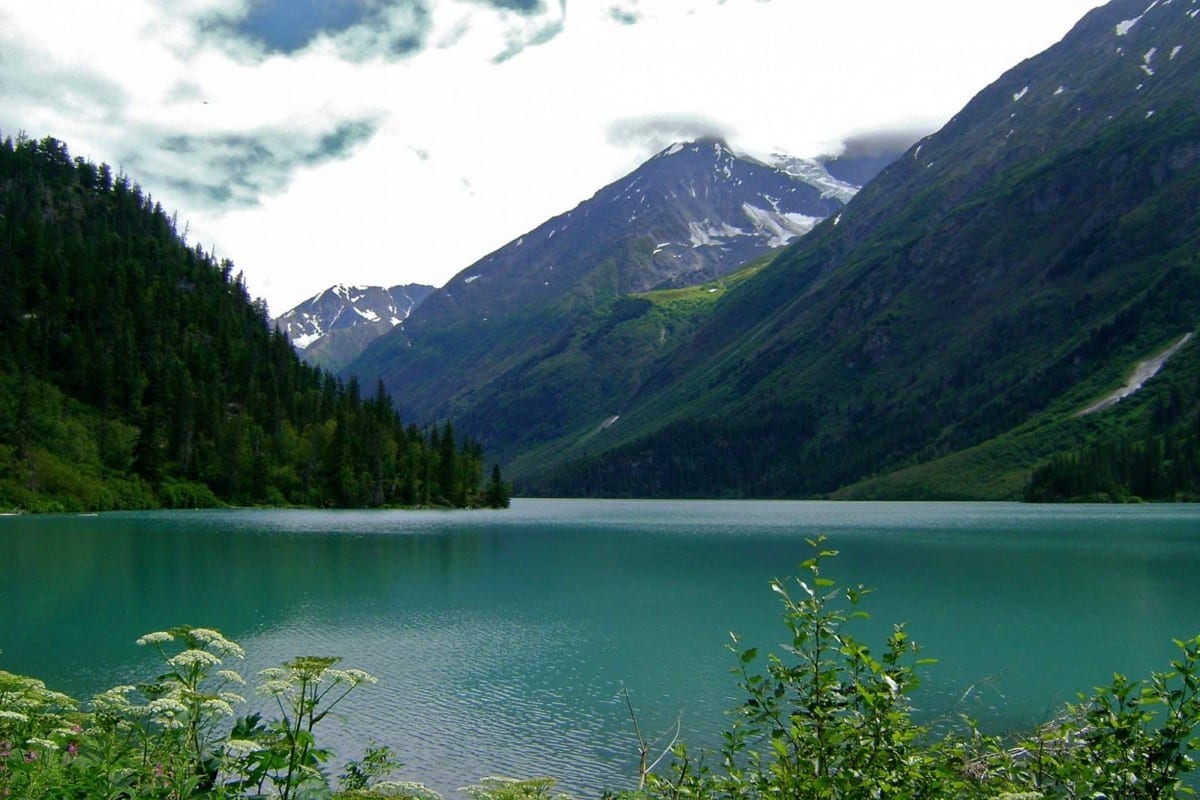
Ptarmigan Creek trail leading to Ptarmigan Lake is an excellent hike for hikers of almost any ability. While rated as a moderate hike, the 3.5-mile switchback trail leading to the narrow mountain lake is a modest elevation change of a little over 1000 feet. Ptarmigan Creek’s views are limited during the short hike through the timbered hillsides.
Hikers completing the trek will see ptarmigan lake nestled between the mountain peaks of Andy Simmons Mountain. Hikers looking to extend the trip can traverse the shore of the lake, adding about three miles to the hike. The lakeshore does have impressive boulders that will need to be navigated.
Tonsina Creek Trail
Difficulty: Moderate
Distance: 3.4 miles
From the trailhead, hikers begin their trek through a spruce forest following the shoreline of Resurrection Bay. After exiting the forest, a metal expansion bridge crossing the creek offers a chance to spot spawning salmon and, in early spring, to take in the irises growing in the meadows along the banks.
The next leg of the hike is through a cottonwood forest that ends at a second bend of the creek. Crossing the second wooden bridge will grant hikers access to the shoreline of Resurrection Bay and a chance to enjoy the beach before heading back home. While this hike is rated moderate, it would be fair to place it on the easier side of moderate.
Alice Mountain Lookout
Difficulty: Challenging
Distance: 4.9 miles
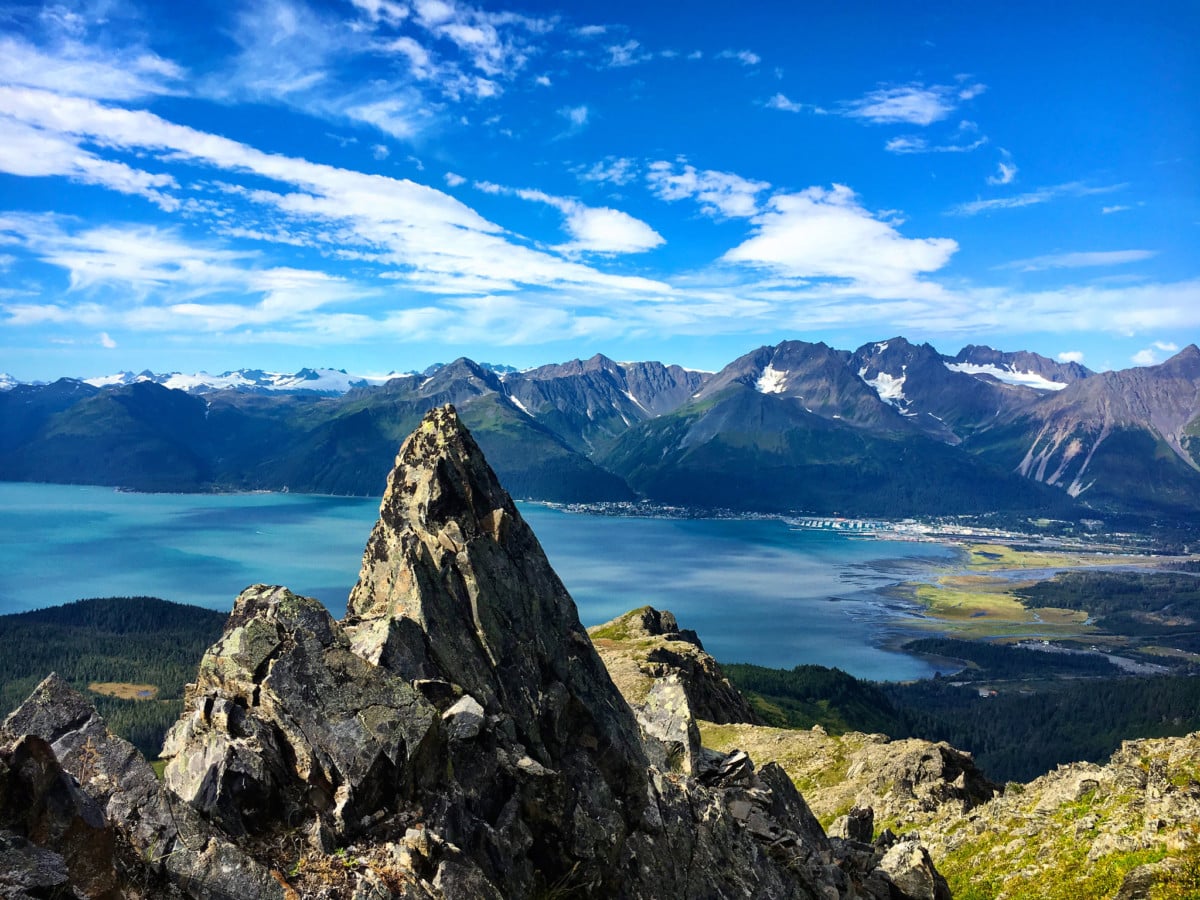
While Alice Mountain Lookout is a relatively short distance hike, the elevation change of almost 3000 feet from start to summit makes it one of the steepest hikes in Seward. Alice Mountain begins with a hike through the forested mountainside with a good chance to find salmon berries when the season is right.
Hikers progressing out of the forest and into the alpine zone are met with panoramic views of Resurrection Bay, Seward, and Alice Mountain. Navigation for the upper trail can be difficult with limited trail markers. Hikers should bring a map and allow at least four hours for this hike.
Seward Waterfront Shore Path
Difficulty: Easy
Distance: 1.9 miles
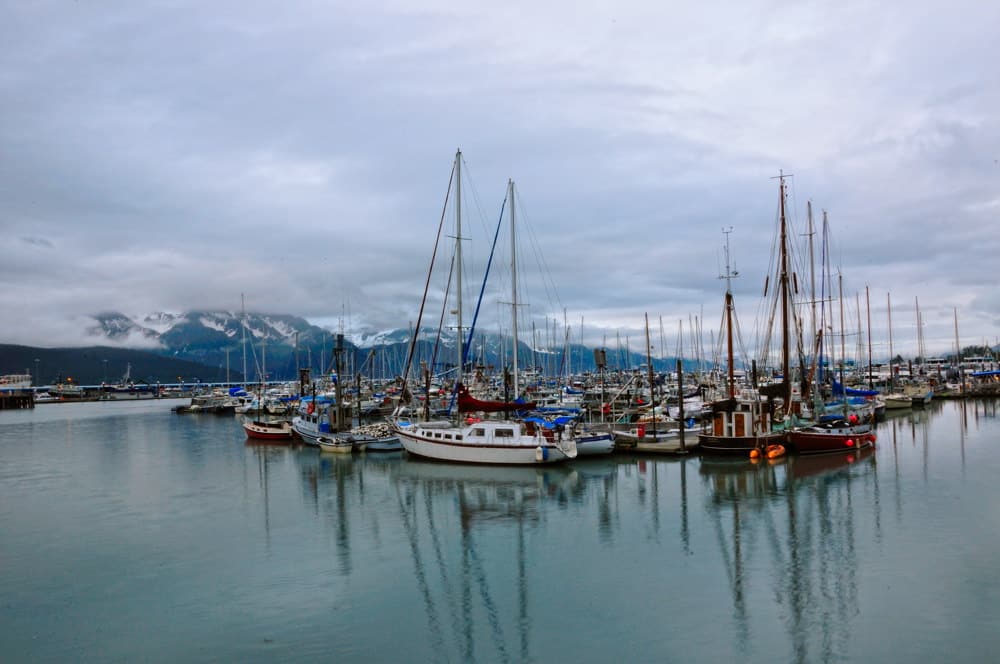
Hiking the shoreline of Seward is an easy hike accessible for all levels of hikers. The 45-minute walk is paved and permits the use of bicycles and also leashed dogs. Hikers can enjoy the views of the Seward waterfront and view shorebirds and otters playing in the waters of the bay. Picnic tables and benches are placed throughout the trail, allowing hikers to rest or picnic. A steeper grade section in the first quarter-mile of the hike may require caution for stroller or wheelchair users.
Two Lakes Trail
Difficulty: Easy
Distance: .9 miles
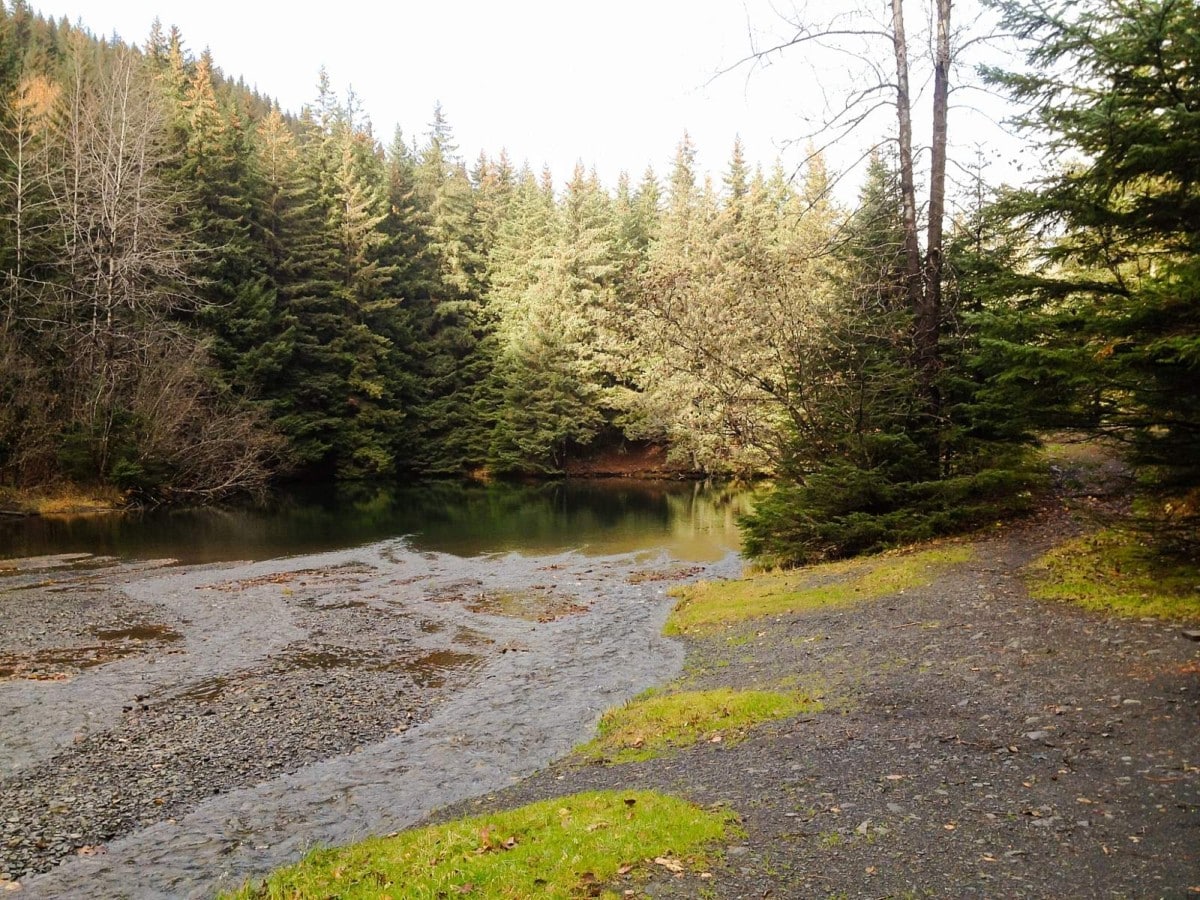
Taking less than thirty minutes, the Two Lakes Trail hike is a perfect way to break up the day and allow hikers to enjoy seclusion close to town. This loop trail winds around two small lakes located in the park. Access is just off of 2nd Ave, and while it is close to town, the serenity granted by the trees gives the feeling of being far from town. Two Lakes Trail is an excellent option for families with younger hikers that can become overwhelmed with longer hikes. The shoreline offers chances to see wildlife, from spawning salmon to birds.

Bear Lake Trail
Difficulty: Easy
Distance: 4.3 Miles
The trail to Bear Lake is an easy hike for hikers of nearly any skill level. The short trail from the Bear Lake parking lot is well maintained and navigable even in winter. The lake is a hub of water activities during the summer like rowing, kayaking, and paddleboarding. Hikers will also have their best chance to see spawning salmon at the salmon-spawning spring, approximately one-third of a mile north of the parking lot.
Hikers should use caution and have their cameras ready for the numerous black and brown bears that feed the salmon during this season. Wintertime hikes will discover the lake still in use for many locals. Ice skating is popular on the lake, and the lake’s perimeter is packed down, creating a six-mile cross-country skiing trail.

Lowell Canyon
Difficulty: Easy
Distance: 1.6 Miles
The Lowell Canyon trail is a short hike accessible right from the town of Seward itself. The nearly flat trail takes hikers across the banks of Lowell Creek. Because this creek system is fueled by snowmelt and rain, the creek may be high depending on when you choose to hike. While the trail is not technical, the banks are prone to erosion in the spring so expect some scrambling to cross sections of the eroded path. With the hike taking less than an hour to complete, hikers will find little risk for the reward of watching seasons change on a waterway so close to the heart of Seward.

Cathedral Falls Trail
Difficulty: Moderate
Distance: 8.9 Miles
Cathedral Falls trail is Considered one of the top waterfall hikes and a Seward Alaska hike that hikers should not skip. The path is lined with berry bushes, and bears as a common sight as they fish along the river banks in the summer. Hikers willing to get damp and scramble behind the waterfall will be rewarded with a secluded pool underneath the falls.
Winter hikes will reveal a frozen stream bed that can be explored and traversed. Regardless of the season, the trail leading to the falls can be slippery; spikes and trekking poles are recommended. While hikers can complete this trail in four and a half hours, plan to stop and enjoy the falls.

Grayling Lake Trail
Difficulty: Easy
Distance: 3.4 Miles
Grayling Lake and its close neighbor Meridian Lake make up a series of low-impact trails ideal for hiking families. Grayling Lake Trail is also part of the INHT or Iditarod National Historic Trail. Parking is available directly from the highway, and either lake is approximately a mile and a half from the forked trailhead. Trails are well marked and well maintained. Meridian lake is stocked with trout for those who enjoy angling, and Grayling lake is aptly stocked with grayling. Both lakes allow fishing.
Fox Island: El Dorado Lookout
Difficulty: Moderate
Distance: 2.1 Miles
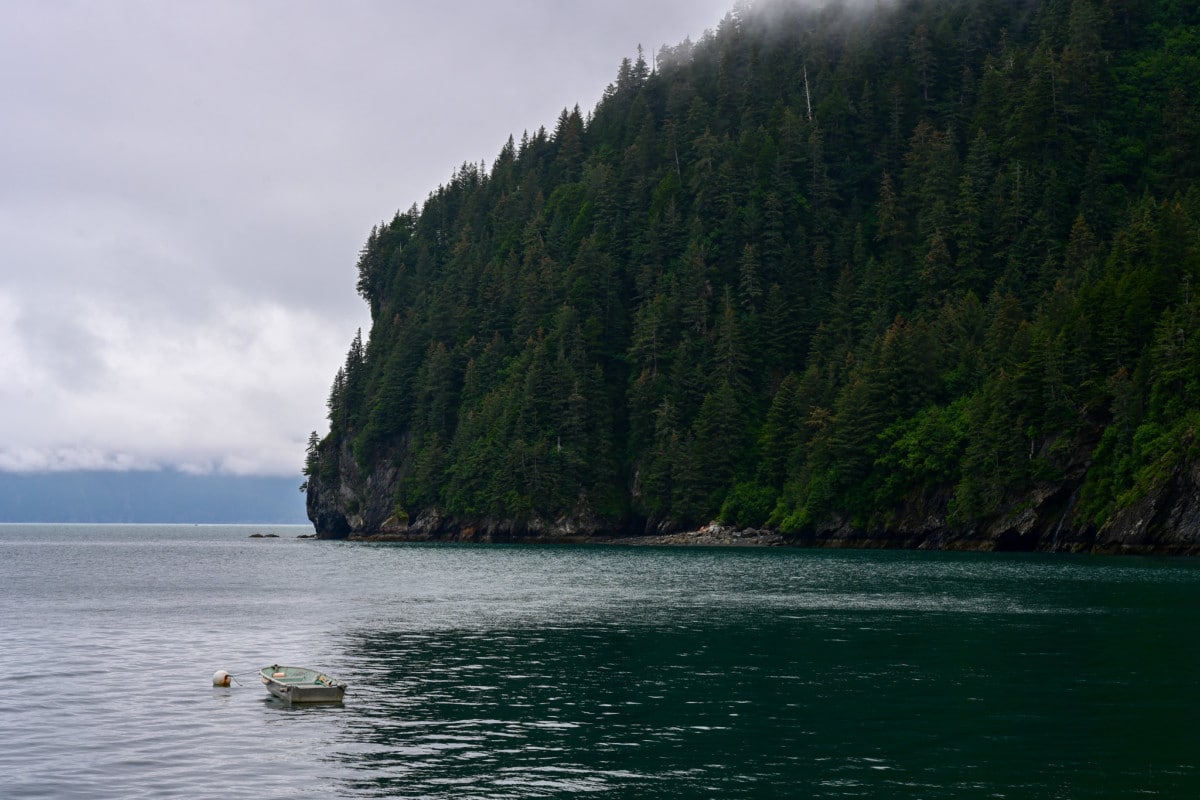
Unlike many of the hikes in Seward, Fox Island is only accessible by boat. The additional challenge of getting to this location reduces the number of other hikers on the trail, which can be a boon for those looking to hike in solitude. Most of the hike to El Dorado Lookout is through the densely forested hillside. Hikers should be careful on this hike, especially when conditions are wet.
The rocks and logs are covered in moss that is slippery after the morning dew. The view from the midpoint and top of fox island grants hikers a panoramic view of the entire island and much of the Kenai Fjords.
Resurrection River Trail
Difficulty: Moderate
Distance: 8.7 Miles
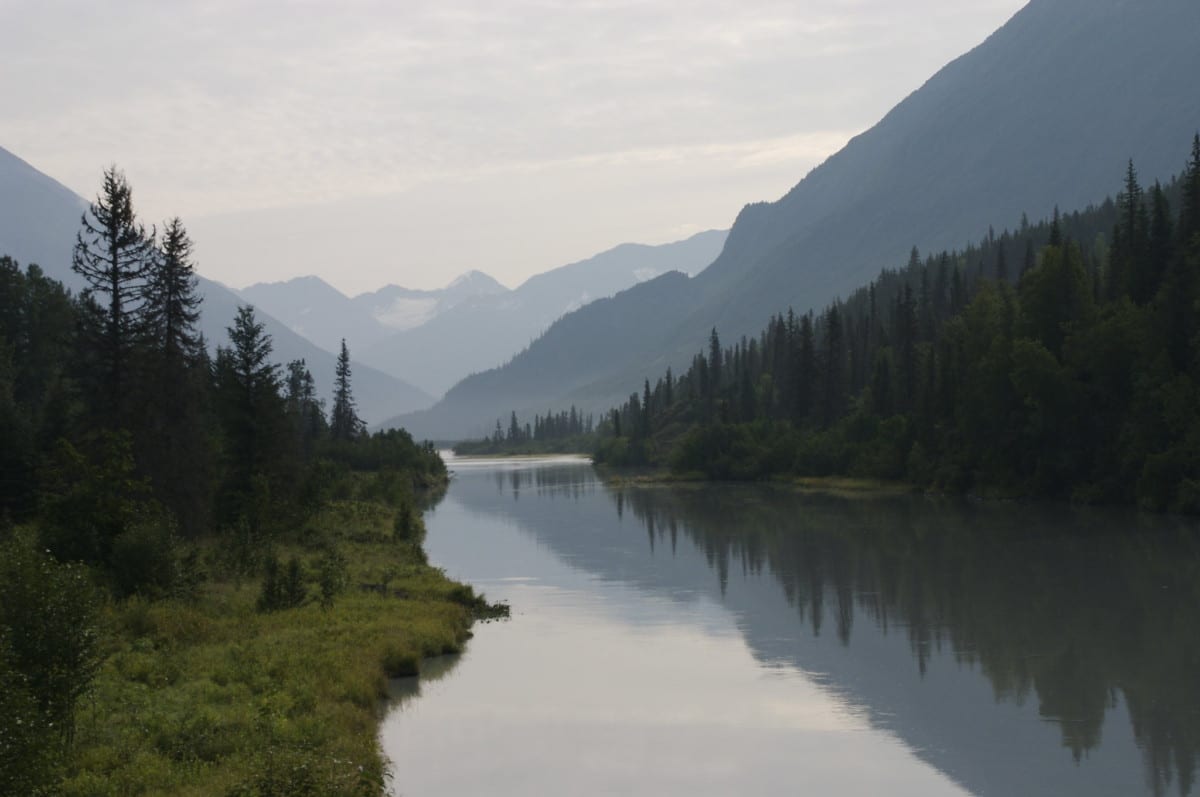
Resurrection River Trail is a moderately challenging hike with slight up and down elevation. However, there is only mild maintenance of the trail, so rocks, roots, and washouts are common. The trail extends through dense forest that lines the river valley before the forest ends at the bedrock of the glacial terminus.
For hikers wishing to extend their hike ever further, this trail leads into the Kenai Mountains. Beyond the four and a half-mile hike, the park service recommends only hikers looking for risk and solitude continue. This trail is very narrow, less than twelve inches across at some points. Those looking for solitude should consider this four-hour hike.
Porcupine Glacier
Difficulty: Moderate
Distance: 2.0 Miles
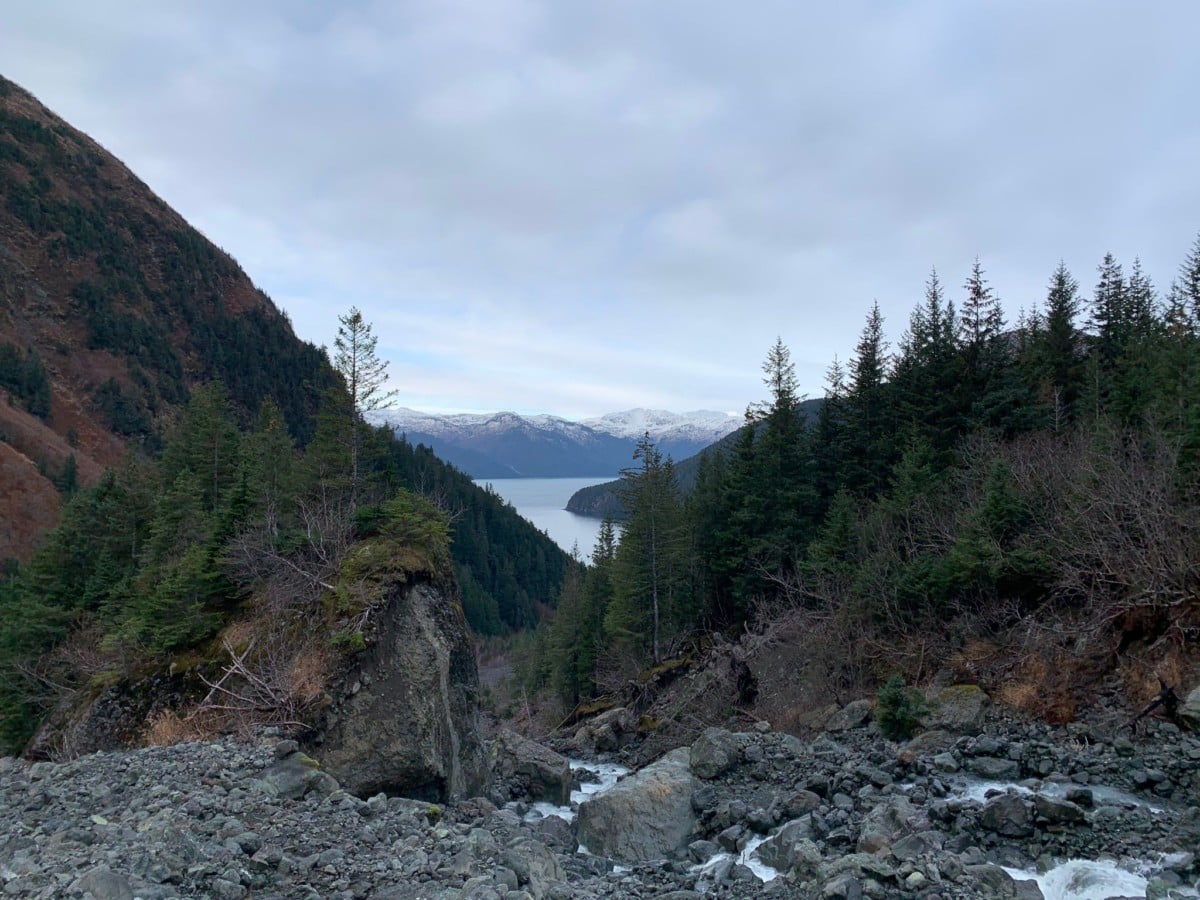
Porcupine Glacier is part of the Thumb Cove State Park. The park and cove are only accessible by boat. The hike to the glacier begins at the Porcupine Glacier cabin and extends upwards with a relatively steep incline of a thousand feet per mile. The most accessible “trail” to follow is the creek bed behind the cabin. Even if a hike to the glacier towering above the park isn’t on your list, the fine sand beach that makes up the shoreline of Thumb Cove State Park is worth the boat ride.
Have you ever been one of these Seward, Alaska hikes? Let me know which ones in the comments!

Want more information on Alaska? Check out these articles:


