Montana National Parks: 8 Incredible Parks You Can’t Miss (2023)
This guide contains affiliate links to trusted partners.
Don’t miss these Montana national parks on your trip!
Montana has some amazing national parks–from some of the big ones like Glacier National Park or Yellowstone National Park to some of the lesser-known national monuments and trails. If you’re headed out on a Montana road trip, then you are going to want to make sure you visit these Montana national parks when you go.
Map of national parks in Montana
 What qualifies as Montana national parks?
 What qualifies as Montana national parks?
The National Park Service designates certain areas or historic monuments as a national park. These sites were considered worthy of significance and worth preserving. Here are the different designations assigned by the NPS for each type of site:
National parks
National parks are large protected areas of natural beauty, ecological significance, or unique geological features. They are managed by the National Park Service with the primary goal of conserving the landscape, ecosystems, and cultural heritage for future generations.
Montana is home to two breathtaking national parks: Glacier National Park and Yellowstone National Park (a portion of which is located in the state). These parks offer visitors an array of outdoor activities, from hiking and wildlife watching to photography and stargazing.
National Historic Sites
National historic sites, also managed by the National Park Service, are locations that have been designated for their historical significance, such as a specific event, person, or cultural development. They often include structures or landmarks that help tell the story of our nation’s past.
In Montana, you’ll find fascinating historic sites like Fort Union Trading Post National Historic Site, which showcases the fur trade era, and Grant-Kohrs Ranch National Historic Site, where you can explore the legacy of the open-range cattle era.
Other designations
Montana is also home to various other designations managed by the National Park Service or other federal agencies, such as national recreation areas, national battlefields, and national historic trails. These sites may focus on outdoor recreation, commemorate important events or battles, or highlight the historical journeys of significant individuals or groups.
Examples in Montana include Bighorn Canyon National Recreation Area, Big Hole National Battlefield, and the Lewis and Clark National Historic Trail.
In summary, national parks focus on preserving natural landscapes and ecosystems, while national historic sites emphasize the preservation of historically significant places or events. Other designations offer a mix of natural, historical, and recreational experiences, giving visitors a well-rounded opportunity to appreciate Montana’s diverse beauty and rich heritage.
I recommend looking to into purchasing an annual national parks pass so you can enjoy all the national parks in Montana while saving money.
⭐PURCHASE YOUR ANNUAL NATIONAL PARKS PASS HERE⭐
 Full list of national parks in Montana
 Full list of national parks in Montana
This list covers the full number of sites designated by the NPS in the state of Montana.
National parks in Montana
National historic sites
- Fort Union Trading Post National Historic Site
- Grant-Kohrs Ranch National Historic Site
- Nez Perce National Historical Park
National recreation areas
- Bighorn Canyon National Recreation Area
National battlefield monuments
- Big Hole Battlefield National Monument
- Little Bighorn Battlefield National Monument
Affiliate sites
- Ice Age National Geological Trail
- Lewis and Clark National Historic Trail
 National Parks in Montana: what you need to know
 National Parks in Montana: what you need to know
Montana, affectionately known as Big Sky Country, is home to some of the most breathtaking landscapes in the United States. With a diverse range of Montana national parks, historic sites, and recreation areas, Montana offers something for everyone to enjoy. I recommend making an effort to visit all of these if you can!
 Glacier National Park
 Glacier National Park
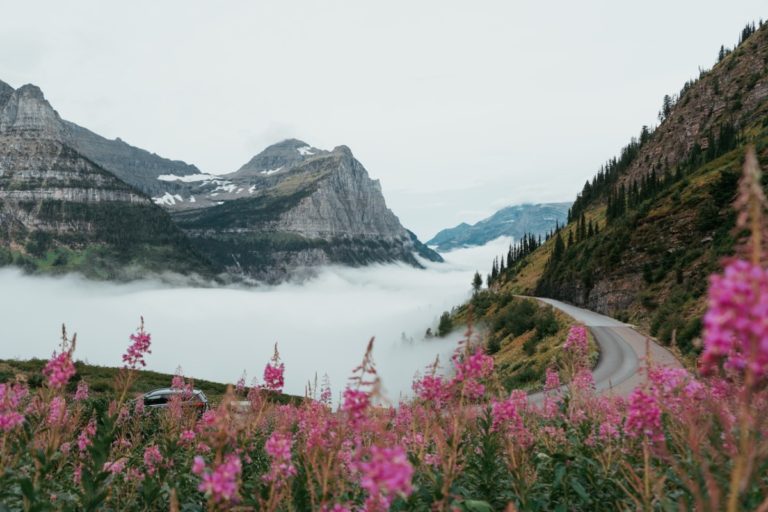
Nestled in the Rocky Mountains of Western Montana, Glacier National Park is a stunning display of pristine wilderness, sparkling lakes, and towering peaks. Known as the “Crown of the Continent,” this park is a must-visit destination for nature lovers and outdoor enthusiasts alike.
Whether you are looking to see wildlife like grizzly bears or mountain goats or you want to go hiking, this park is full of natural wonders you won’t want to miss. With over 700 miles of trails, Glacier National Park offers a wide variety of hiking experiences for all skill levels. From leisurely strolls through wooded areas to challenging backcountry treks, there is something for everyone.
In addition to hiking, visitors can also explore the park’s numerous glacier-carved valleys, breathtaking waterfalls, and vibrant wildflower meadows. Boat tours and scenic drives, such as the famous Going-to-the-Sun Road, provide unique perspectives on the park’s stunning landscapes, and I highly recommend taking the time to jump on these if you can. No matter how you choose to explore Glacier National Park, you’ll be surrounded by awe-inspiring beauty and unforgettable memories.
Top things to do: Hiking trails, horseback riding, wildlife watching.
How to get there: Glacier Park International Airport (FCA) flies into Kalispell. The easiest way to get to the park is to rent a car and drive the short distance from there.
Where to stay: Whitefish, Kalispell, or Columbia Falls.
Entry fee: $35 a day. Glacier National Park also requires reservations.
 Yellowstone National Park
 Yellowstone National Park
While most of Yellowstone National Park is located in Wyoming, a small portion of the more than a million acres extends into Montana. This famous park, known for its geysers, hot springs, and abundant wildlife, provides a unique opportunity to experience the wonders of the American West.
Yellowstone’s Montana section, often referred to as the “Gateway to Yellowstone,” offers visitors the chance to explore the park’s diverse ecosystem and breathtaking scenery without the crowds typically found in the more popular areas of the park. Here, you can hike through lush forests, witness the striking beauty of the Lamar Valley and Mammoth Hot Springs, and visit the historic Roosevelt Arch at the park’s north entrance.
The Montana side of Yellowstone is also home to the picturesque town of Gardiner, which serves as a great base for exploring the park and the surrounding area. Whether you’re a first-time visitor or a seasoned Yellowstone traveler, the Montana section of the first national park promises an unforgettable adventure filled with natural beauty and wonder.
Top things to do: Wildlife viewing, hiking trails, natural wonders
How to get there: Bozeman Yellowstone International Airport (BZN) offers the most direct flights to the national park.
Where to stay: Gardiner, West Yellowstone, or Bozeman.
Entry fee: $35 a day.
[vc_row][vc_column][vc_cta h2=”Do you need help with your Montana national park trip?”]
 I offer custom national park itinerary planning as a service to help you make the most of your adventures! These itineraries cover everything from where to stay, eat, what to do, and more!
⭐CHECK OUT CUSTOM NATIONAL PARK ITINERARY PACKAGES HERE⭐
[/vc_cta][vc_column_text]
National historic sites in Montana
Montana’s rich history is showcased in its numerous national historic sites. From trading posts to ranches, these sites offer a fascinating glimpse into the lives of the people who shaped the region’s history.
Fort Union Trading Post National Historic Site
 Fort Union Trading Post National Historic Site
Once a bustling hub of commerce, Fort Union Trading Post National Historic Site offers a window into the fur trade era of the 19th century. Located near the confluence of the Missouri and Yellowstone rivers, this site is a testament to the cultural exchange between the tribes and traders of the time.
Visitors to Fort Union Trading Post can immerse themselves in the rich history of the site by taking a guided tour or participating in one of the many interactive programs offered throughout the year. The reconstructed fort’s historic buildings, such as the Indian Trade House and the Bourgeois House, showcase the daily life and working conditions of those who lived and worked there.
Additionally, visitors can learn about the relationships between the Native American tribes, fur traders, and the U.S. military through exhibits and artifacts on display. Special events, including living history demonstrations and reenactments, bring the past to life and provide a deeper understanding of the significant role Fort Union played in shaping the history of the region.
Top things to do: Art showcase, exhibits.
How to get there: You can fly into the Sidney-Richland Airport. You will need to rent a car and drive to the site from there.
Where to stay: Fairview, MT.
Entry fee: Free
Grant-Kohrs Ranch National Historic Site
 Grant-Kohrs Ranch National Historic Site
Experience the legacy of the open-range cattle era at Grant-Kohrs Ranch National Historic Site. This well-preserved site provides a unique opportunity to explore one of the historic ranches that was once the headquarters of a 10-million-acre cattle empire.
As you wander through the grounds of the Grant-Kohrs Ranch, you’ll step back in time to an era when cattle ranching was a cornerstone of the American West. The site features numerous original and restored buildings, including the main ranch house, a blacksmith shop, and various barns and outbuildings, each offering a glimpse into the daily life of the ranchers who called this place home.
Interactive exhibits and guided tours provide fascinating insights into the history of the ranch, the Kohrs family, and the evolution of the western cattle industry at this national park in Montana. Seasonal events, such as cattle drives and horse-drawn wagon rides, allow visitors to experience the ranch as it was during its heyday.
Top things to do: Tours, events, exhibits.
How to get there: You will want to fly into the airports where the most popular national parks in Montana are located in either Kalispell (FCA) or Bozeman (BZN). From there, you will need to rent a car and drive to Deer Lodge.
Where to stay: Deer Lodge City, MT.
Entry fee: Free
 Nez Perce National Historical Park
 Nez Perce National Historical Park
Discover the rich history and culture of the Nez Perce people at the Nez Perce National Historical Park. This park, which spans across four states and includes the Bear Paw Battlefield, highlights the resilience and strength of the Nez Perce tribe and their historic journey. In my opinion, this is one of the most impactful parks in Montana and well worth taking time to visit.
At the Nez Perce National Historical Park, visitors can explore a vast network of sites, each with its own unique story, illustrating the tribe’s history, culture, and connection to the land. Interpretive centers, such as the Nez Perce National Historical Park Visitor Center in Idaho and the Bear Paw Battlefield Visitor Center in Montana, offer exhibits and educational programs that provide insights into the Nez Perce way of life, their interactions with European settlers, and the Nez Perce War of 1877.
The park also features numerous trails that take visitors through scenic landscapes and sacred sites, allowing for a deeper connection with the land and its history. Special events, such as cultural demonstrations, ranger-led talks, and workshops, offer additional opportunities to learn about and celebrate the Nez Perce people’s enduring legacy.
A visit to the Nez Perce National Historical Park is not only a journey through history but also an opportunity to understand and appreciate the rich cultural heritage of the Nez Perce tribe.
Top things to do: Canoeing, tours, walking.
How to get there: You will probably want to fly into Missoula or Butte and rent a car to drive from here.
Where to stay: This national park site is located in several areas in the Pacific Northwest. To enjoy the Montana section, you should stay in Wisdom, MT.
Entry fee: Free
[vc_row][vc_column][vc_cta h2=”Join the community!”]Love the outdoors? Join my free Facebook community where we chat and share information about national parks, hiking, outdoor activities, and more!
JOIN HERE! ⛰️ [/vc_cta][vc_column_text]
National recreation areas in Montana
Montana’s national recreation areas provide countless opportunities for outdoor enthusiasts to hike, fish, and explore the state’s breathtaking scenery.
Bighorn Canyon National Recreation Area
 Bighorn Canyon National Recreation Area
Bighorn Canyon National Recreation Area is a hidden gem in Southern Montana, where visitors can enjoy stunning vistas, world-class fishing, and a variety of recreational activities. Take a boat ride Bighorn Lake, go fishing on the Bighorn River, or enjoy looking for wildlife.
The dramatic landscape of Bighorn Canyon, with its towering cliffs and colorful rock formations, provides a spectacular backdrop for a wide range of outdoor adventures. Hiking trails, ranging from easy nature walks to challenging backcountry treks, allow visitors to explore the area’s diverse flora and fauna, including bighorn sheep, wild horses, and numerous bird species.
Anglers will appreciate the excellent fishing opportunities in Bighorn Lake, which is home to trout, walleye, and bass, among other species. For those who prefer a more leisurely experience, scenic drives, such as the Devil Canyon Overlook, offer breathtaking panoramic views of the canyon and surrounding landscape.
Bighorn Canyon National Recreation Area is not only a haven for outdoor enthusiasts but also a place where visitors can connect with the natural beauty and serenity of the Montana landscape. I personally love this spot for the chance to get away and experience the wild ruggedness of the state.
Top things to do: Fishing, hiking trails, boating.
How to get there: The best way to get to there is to fly into the Billings-Logan International Airport (BIL) and rent a car from there.
Where to stay: Billings, MT.
Entry fee: Free
[vc_row][vc_column][vc_cta h2=”Hiking essentials”]Recommended hiking boots: Salomon Quest 4 Gore-tex 🥾
Recommended jacket: The North Face Antora Jacket 🧥
Recommended hiking poles: Black Diamond Trail Cork Trekking Poles 🌲
Recommended day pack: Osprey Daylite Pack 🎒
Hike like a pro: Get an AllTrails Pro membership! 🗺
[/vc_cta][vc_column_text]
National battlefields in Montana
Montana’s national battlefields provide a sobering look at the struggles and conflicts that shaped the state’s history. These battlefields provide information on the struggles that Native American tribes faced and document how we can learn from our past.
Big Hole National Battlefield National Monument
 Big Hole National Battlefield National Monument
At Big Hole National Battlefield, visitors can learn about the tragic events of the Nez Perce War and pay their respects to those who lost their lives in the conflict. This somber site, set amidst the beautiful Montana landscape, serves as a poignant reminder of the struggles faced by the Nez Perce people as they fought for their freedom and way of life.
The Big Hole National Battlefield features a visitor center with exhibits and artifacts that help tell the story of the Nez Perce War and the events that unfolded at this site during the Battle of the Big Hole in 1877. Visitors can take a self-guided tour along the well-marked trails, where interpretive signs provide context and information about the battle and its aftermath.
The Nez Perce Camp Trail and the Battlefield Trail offer unique perspectives on the site and the surrounding landscape, allowing visitors to reflect on the sacrifices made by the Nez Perce involved in the conflict. Special events, such as ranger-led talks and cultural demonstrations, further enhance the educational experience at Big Hole National Battlefield, ensuring that the lessons of the past continue to resonate with visitors today.
Top things to do: Tours, hiking.
How to get there: If you can fly into Butte at the Bert-Mooney Airport (BTM) and rent a car, then this is the quickest way to get there. However, few flights tend to go out of this airport and you might need to fly to Missoula or Bozeman instead.
Where to stay: Dillon, MT.
Entry fee: Free
Little Bighorn Battlefield National Monument
 Little Bighorn Battlefield National Monument
Little Bighorn Battlefield National Monument commemorates the site of the famous battle between the U.S. Army’s 7th Cavalry, led by Lieutenant Colonel George Armstrong Custer, and several Native American tribes, including the Lakota Sioux and Cheyenne. The monument serves as a solemn reminder of the complex history of the American West and the struggles faced by both the Native American tribes and the U.S. military forces during this turbulent period.
Visitors to the Little Bighorn Battlefield National Monument can explore the rolling hills and grasslands where the fateful battle took place on June 25-26, 1876. A self-guided tour takes you through key points of interest, including Last Stand Hill, where Custer and many of his soldiers made their final stand, and the Indian Memorial, which honors the Native American warriors who fought to defend their lands and way of life. This spot really made an impact on me when I was a young person and my family took me there.
The visitor center offers exhibits, artifacts, and ranger-led talks that provide insights into the battle, its participants, and the broader context of the Great Sioux War. Special events, such as commemorative ceremonies and living history demonstrations, take place throughout the year, ensuring that the stories of the past continue to resonate with present-day visitors.
A visit to the Little Bighorn Battlefield National Monument offers a unique opportunity to reflect on the complexities of American history and the lasting impact of the events that unfolded on this hallowed ground.
Top things to do: Tours.
How to get there: The Billings-Logan International Airport (BIL) is the best place to fly into. You’ll want to rent a car and travel I-90 until you reach Crow Agency exit 510.
Where to stay: Billings, MT.
Entry fee: $25 or free with an annual parks pass.
Affiliate sites of Montana
Montana is not only home to stunning national parks but also boasts a number of fascinating affiliate sites that allow visitors to delve deeper into the region’s history, geology, and culture. Two of these scenic trails, the Ice Age Floods Geologic Trail and the Lewis and Clark National Historic Trail, offer unique opportunities for outdoor enthusiasts and history buffs alike to explore the wonders of Big Sky Country.
Ice Age Floods National Geologic Trail
 Ice Age Floods National Geologic Trail
The Ice Age Floods National Geologic Trail showcases the incredible effects of the massive floods that swept through the region approximately 12,000 to 17,000 years ago. As you explore the trail, you’ll encounter remarkable geological features, such as coulees, scablands, and giant ripple marks, which bear witness to the immense power and scale of these ancient events.
Interpretive signs and information panels along the trail provide a wealth of information about the floods’ origins, the unique geological formations they created, and the flora and fauna that inhabit the area today. The trail also offers numerous opportunities for outdoor activities, such as hiking, photography, and birdwatching, allowing visitors to immerse themselves in the breathtaking landscapes carved by these ancient cataclysms.
A visit to the Ice Age Floods Geologic Trail is an unforgettable journey through time and a testament to the awe-inspiring forces of nature.
Lewis and Clark National Historic Trail
 Lewis and Clark National Historic Trail
As you traverse the Lewis and Clark National Historic Trail, you’ll follow the same path the Corps of Discovery took during their groundbreaking expedition from 1804 to 1806. The trail stretches across various landscapes, including rugged mountains, vast prairies, and powerful rivers like the Upper Missouri River, giving visitors the chance to experience the diverse environments that Lewis and Clark encountered on their journey.
Along the way, you’ll find interpretive centers, museums, and historical sites that provide insights into the challenges faced by the explorers, their encounters with Native Americans, and the scientific discoveries they made. Outdoor enthusiasts can also enjoy a range of activities, such as hiking, biking, canoeing, and wildlife watching, while embracing the breathtaking scenery that defines the American West.
Embarking on the Lewis and Clark National Historic Trail is not only an adventure through some of the country’s most stunning landscapes but also an opportunity to connect with the rich history and spirit of exploration that shaped the Lewis and Clark Expedition.
Tips for visiting Montana national parks
Here are some tips to help you make the most of your time in the Montana national parks.
- Plan ahead and book early: Montana’s national parks are popular destinations, especially during the peak summer months. Make sure to book your accommodations and any guided tours well in advance to secure your spot and avoid disappointment. Also, research the best times to visit each park to make the most of your experience.
- Respect wildlife and maintain a safe distance: Montana’s national parks are home to an incredible array of wildlife, including grizzly bears, bighorn sheep, and moose. Remember to always observe animals from a safe distance, and never approach or feed them. Follow park guidelines and carry bear spray when necessary to ensure a safe and enjoyable experience for both you and the wildlife.
- Be prepared for changing weather conditions: Montana’s weather can be unpredictable, with temperatures varying significantly between day and night, and the possibility of sudden storms. Pack layers of clothing, rain gear, and sunscreen, and always check the weather forecast before embarking on a hike or outdoor activity.
- Practice Leave No Trace principles: Help preserve the natural beauty of the national parks in Montana by minimizing your impact on the environment. Carry out all trash, stay on designated trails, and avoid picking plants or disturbing wildlife. By following the Leave No Trace principles, you’ll ensure that these stunning landscapes can be enjoyed by future generations. I feel especially strongly about this one!
- Take your time and explore: Montana’s national parks have so much to offer, from awe-inspiring vistas to unique geological formations and fascinating historical sites. Give yourself enough time to fully immerse yourself in the experience, and consider venturing off the beaten path to discover lesser-known gems within the parks. Don’t forget to bring a camera to capture the unforgettable memories you’ll create during your visit!
Conclusion: National Parks in Montana
 Conclusion: National Parks in Montana
You won’t want to miss these beautiful national parks in Montana when you head west. From Glacier National Park, to Yellowstone National Park, and beyond, there’s plenty to see at these sites. Make sure that you include these Montana national parks on your list of things to see on your road trip through the state.
Have any questions about visiting national parks in Montana? Let me know in the comments!
[vc_row][vc_column][vc_cta h2=”National park essentials”]You’ll need to enter: National parks pass 🎟️
Document your trip: National parks journal ✏️
Wear your national parks love: National parks shirts 👕
Recommended guidebook: My Pocket Guide to Glacier National Park 📔
[/vc_cta][vc_column_text]
Like this post? Save it for later!

Want more information on Montana? Check out these articles: