The Ultimate Guide to the Kaniksu National Forest
There are so many amazing national forests in the northwest! One of the largest and best for outdoor activities is Kaniksu National Forest, which encompasses three states and has over a million acres to explore. You won’t find just hiking here, either. The camping here is especially great and you shouldn’t have any trouble getting some great photos on your trip. If you are looking for an overlooked national forest where you can get away from it all, this is the spot for you!
Everything you need to know about Kaniksu National Forest
This guide covers what you need to know when you’re planning on exploring Kaniksu National Forest.
[lwptoc hideItems=”1″]
Map of Kaniksu National Forest
Where is Kaniksu National Forest?
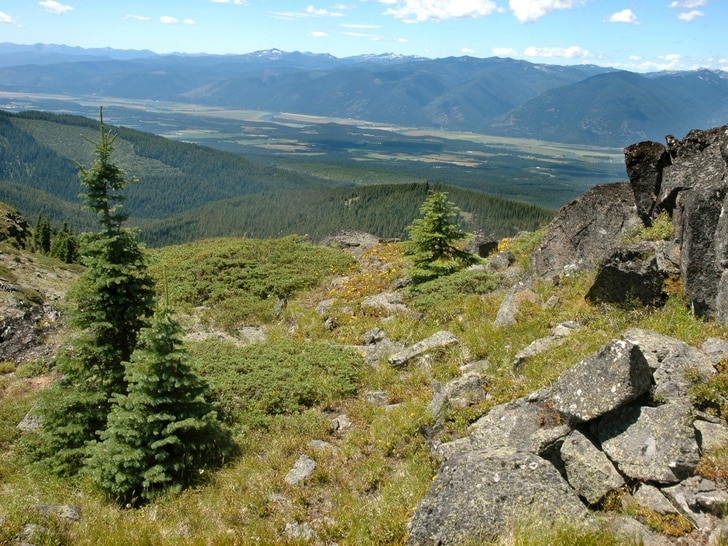
Kaniksu National Forest spans three states, covering part of northeastern Washington, the Idaho Panhandle, and a section of northwestern Montana. This national forest is one of three of the Idaho Panhandle national forests. Coeur d’Alene and St. Joe National Forests are also included in this group. Kaniksu Forest is quite large, spanning about 1.6 million acres.
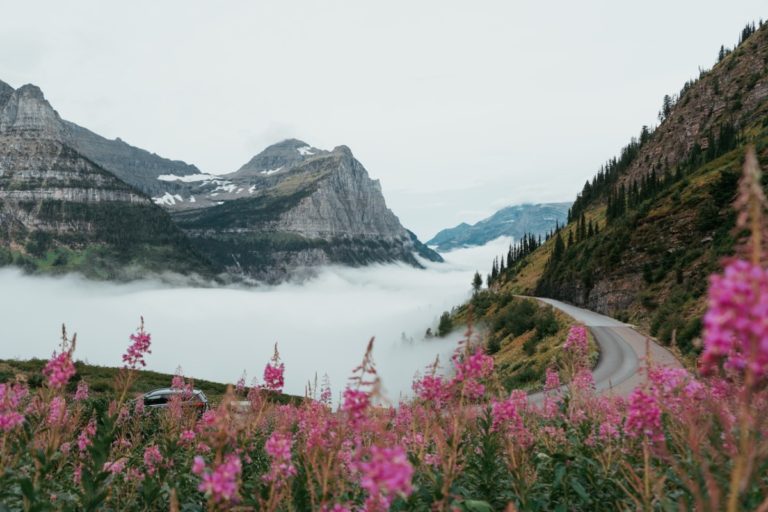
It’s an ideal location for mountain biking, hiking, camping, water sports, and driving off-road vehicles. Within the national forest, there is a varying landscape with lush mountains, blooming flowers, rocky areas, and small towns to explore. The forest is also filled with wildlife, from moose to black bears, frogs, squirrels, and more. It’s also home to the endangered woodland caribou.
How do I get to Kaniksu National Forest?
The roads in Kaniksu National Forest range from paved to unpaved and rocky, so it’s easy to travel via a car or off-roading vehicle throughout the forest. You do not need an off-roading vehicle (OHV) for camping, as there are paved routes that take you directly to campsites. Each type of vehicle has a different corresponding map, available in the park’s main offices.
You can also explore the forest via snowmobile (in the winter), mountain bike, horseback, or on foot. Check out the maps before planning a trip, as some routes are not ideal for certain modes of transportation or recreational activities.
When is the best time to visit Kaniksu National Forest?
There are various recreation opportunities and ways to explore this national forest year-round. So, it’s best to decide when to visit the forest based on the activities you have in mind. It’s important to note that the winter can be more extreme in this national forest. This means that some campsites may be closed due to the weather.
You’ll find many activities in the summer, from hiking to swimming and other water sports. Fall offers views of yellow and red foliage, while spring brings blooming flowers. In the winter, you can explore the area via snowmobile.
 Can I camp in Kaniksu National Forest?
 Can I camp in Kaniksu National Forest?
Camping in Kaniksu National Forest is especially pleasant, considering most campsites are nearby lakes and streams. These campsites vary in amenities, including boat ramps, potable water, flush toilets, picnic areas, handicap-accessible bathrooms, and more.
There’s a combination of group campsites and smaller campsites available for rent. You’ll also notice some campsites are on a first-come, first-serve basis. Ensure you read each campsite’s description thoroughly to avoid any camping snafus.
Kaniksu National Forest offers a variety of camping options, including:
- Devil’s Elbow Campground
- Honeysuckle Campground
- Robinson Lake Campground
- Sam Owen Campground
- Outlet at Priest Lake Campground
- Plowboy Campground
- Emerald Creek Campground
- Fly Flat Campground
Can I rent a cabin in Kaniksu National Forest?
If you prefer cabin camping, you’re in luck! There are plenty of options to keep you comfortable while staying overnight in Kaniksu National Forest. Many cabins offer stunning views, from mountains to streams and everything in between. You can also rent out lookouts during your trip to the forest. Also, dogs are not permitted in any cabins, lookouts, or historic areas in this national forest.
Here are a few cabin rental options at Kaniksu Forest:
Is there dispersed camping in Kaniksu National Forest?
Kaniksu is an excellent spot for dispersed camping, as quite a few locations are available. These spots are perfect for avid campers who want a backcountry camping experience during their time in Kaniksu National Forest. Dispersed camping spots do not include bathrooms, running water, or other similar amenities.
There are quite a few options listed on the USDA Forest Service page. However, there are even more that are unlisted. You can learn about additional dispersed camping spots by contacting one of the Forest Service Offices.
Here are a few of the dispersed campsites at Kaniksu National Forest:
- Solomon Lake Fishing
- Lake Darling Trail #52
- Maiden Rock Campground
- Plowboy Mountain Trail #295
- Upper Priest Lake Trail #302
- Lines Creek Trail Picnic Area
Is there RV camping in Kaniksu National Forest?
Many RV camping sites are also available at Kaniksu National Forest. As with the other campsites, these RV camping areas vary in amenities. These campsites coincide with tent camping areas, so some areas may not be suitable for larger vehicles.
Here are a few of the available RV campsites at Kaniksu Forest:
- Kit Price Campground
- Meadow Creek Campground
- Robinson Lake Campground
- Luby Bay Campground
- Mammoth Springs Campground
- Shadowy St. Joe Campground
As a reminder, check out the available amenities at the campsite before making plans to ensure your needs are met.
 Do I need to have a backcountry permit for Kaniksu National Forest?
 Do I need to have a backcountry permit for Kaniksu National Forest?
There’s no need to purchase a backcountry permit for the Kaniksu Forest. Hiking and camping are free for visitors throughout the year. This park is open year-round, except during park emergencies or extreme weather.
However, a permit is required for specific routes if you’re planning a winter visit that includes cross-country skiing or snowshoeing. Some routes requiring the Park’N’Ski pass include the 4th of July Nordic Trail and the Snowshoe Trail.
Additional permits are required for gathering certain items from the woods, such as firewood and other forest products. You can pick huckleberries in the national forest for free, as long as you are not using them commercially.
What do I need to know about having a campfire in Kaniksu National Forest?
Campfire restrictions differ depending on where you are in the Kaniksu National Forest. Below are some general guidelines that you can utilize for any campfire you set up.
- Always clear debris away from campfire rings before starting the fire.
- Ensure you only start a campfire in designated areas, like a fire ring or a grill pit.
- Make sure you have enough water or sand to put the fire out completely before going to sleep or leaving the site.
- Keep extra wood away from the fire, making sure it’s downwind.
- Never leave a fire unattended.
- Always check local fire alerts before camping to ensure it’s safe to create a campfire at your site.
Can I bring my dog to Kaniksu National Forest?
Kaniksu Forest is dog-friendly, though there are some guidelines you should follow during a visit with your pet. You’ll find some rules and regulations by the national forest below.
- Always pick up after your dog. Make sure to overpack waste bags to avoid any issues while camping or visiting the forest.
- Don’t leave your dog(s) unattended at campsites or in vehicles.
- Make sure to keep your dog leashed on trails and in developed camping areas.
- Even if trails have areas where dogs can be off-leash, it’s best to leash your dog whenever other hikers are nearby.
What do I need to know about bears in Kaniksu National Forest?
While spending time in Kaniksu National Forest, it’s essential to be aware of the area’s wildlife, including black and grizzly bears. These bear species are typically non-aggressive unless provoked. It’s best to follow the general guidelines below to ensure a safe experience.
- If you’re planning on hunting, you must keep any animal remains stored in a bear-proof manner, especially at night.
- Any items that may attract bears, such as bacon, meat, snacks, etc., must be kept in a sealed container, bear-proof storage area (hung from a tree 10 feet from the ground), or disposed of in a bear-proof garbage bin.
- Always keep your doors and windows locked; this includes cars, RVs, trailers, etc.
 Hiking trails in Kaniksu National Forest
 Hiking trails in Kaniksu National Forest
Whether you prefer longer, more challenging hikes or short excursions, this national forest has a hiking trail for everyone. Below, you’ll find some top trails to explore while at Kaniksu. These trails include out-and-backs, loops, and more.
Gold Hill North Trail
Difficulty: Moderate
Distance: 5.6 Miles
This out-and-back trail takes you through the forest on a shaded route leading to epic views at the end. Once you reach the viewpoint, you’ll see the glimmering lake. If you continue slightly past the viewpoint, there are benches where you can take a break and cool off before heading back.
Expect quite a few steep spots, so it’s best to wear hiking shoes and bring hiking poles. This trail is on the busier side, so head out early if you want to skip the crowds. Gold Hill North Trail is excellent for hiking and mountain biking.
Harrison Lake Trail
Difficulty: Moderate
Distance: 4.6 Miles
Located near Naples, Idaho, Harrison Lake Trail is a moderately challenging trek that’s easy to follow. Another fairly popular hike, you’ll find quieter hiking excursions during off-times, such as the early morning or later in the afternoon. Carve out a few hours for this hike, which will take about three hours to complete.
You can head down this trail via various methods, including hiking, walking, mountain biking, and horseback riding. As a few spots are tricky, it’s best to horse ride only if you’re a more experienced rider.
Mickinnick Trail
Difficulty: Hard
Distance: 7 Miles
While challenging, this four-hour hike leads to rewarding views of Lake Pend Oreille. Whether you make it to the viewpoint or save it for your next hike, you’ll find excellent views throughout the hike. There are also plenty of benches along the way so that you can take as many breaks as necessary.
On hotter days, this hike is best done early in the morning as there are only a few shaded areas. Mickinnick Trail is one of the more popular routes, so expect to see many other hikers out and about as you explore the trail. Keep your eye out for the blooming flowers along the trail in the summer.
Fault Lake
Difficulty: Moderate
Distance: 12.4 Miles
Take on a longer, moderately challenging hike via the Fault Lake Trail. This trail is near Sandpoint, Idaho, and offers an excellent out-and-back route. For most of the trail, you’ll find a gradual grade. You’ll find the grade increases about a mile from the top of the route.
Typically, this trail is not too crowded. However, as they head to their campsites, you may notice more people on the trails later in the day. Make sure to allow extra time to swim in the lake; it’s a refreshing break that will pep you up for the hike back.
Hunt Lake
Difficulty: Moderate
Distance: 2.2 Miles
While this hike is the shortest on the list, it is still a moderately challenging option that will take just over an hour to complete. Hunt Lake is an out-and-back trail that is not typically crowded. There are multiple ways to enjoy the trail and area, such as fishing, hiking, bird watching, and camping.
The trail is dog-friendly, though there is wildlife around, so be sure to keep your dog on a leash at all times and be vigilant. The trail is marked with tape on trees and arrows painted on rocks. So, it’s best to keep a downloaded version of the map on your phone to help guide you to the lake.
Have you ever made it to Kaniksu National Forest? Let me know in the comments!
Like this post? Save it for later!

Want more information on Montana? Check out these articles: