The Ultimate Guide to Flathead National Forest
There are so many wild places in Montana to visit, and Flathead National Forest is one of the top options whether you’re a local or you’re just visiting the area. Millions of acres are available to explore, as well as some amazing hiking trails without the crowds that you get in the national parks. Whether you’re looking for things to do in Kalispell, MT or you’re looking for some of the best Montana hiking trails, you’ll find it here!
Everything you need to know about visiting Flathead National Forest
This guide covers a ton of information on Flathead National Forest and how to make it an addition to your Glacier National Park itinerary!
[lwptoc hideItems=”1″]

Map of Flathead National Forest
Where is Flathead National Forest?
Flathead National Forest spans over 2.4 million acres! Its lakes, wild wilderness, rivers, 2,000+ miles of trails, campgrounds, ski areas, and year-long beauty lie primarily in the Flathead County of Montana.
Flathead National Forest is near Glacier National Park and Canada to the north, Lolo National Forest and Helena-Lewis and Clark National Forest to the south, and the Kootenai National Forest to the west. The park’s headquarters are located in Kalispell, Montana, but there are other local ranger district offices throughout as well.
How do I get to Flathead National Forest?
Flathead Forest offers many roads, both paved and gravel, to make motor vehicle transportation and exploration easily accessible to visitors. Many suggested scenic drives are outlined within maps that you are able to see at district offices.
Once within the forest, you may also choose to travel and adventure by other modes of transportation, such as: quads, snowmobile, hiking, or boating. All of these methods of transportation have maps and trail guides available for purchase at the district offices, or online if planning ahead.
When is the best time to visit Flathead National Forest?
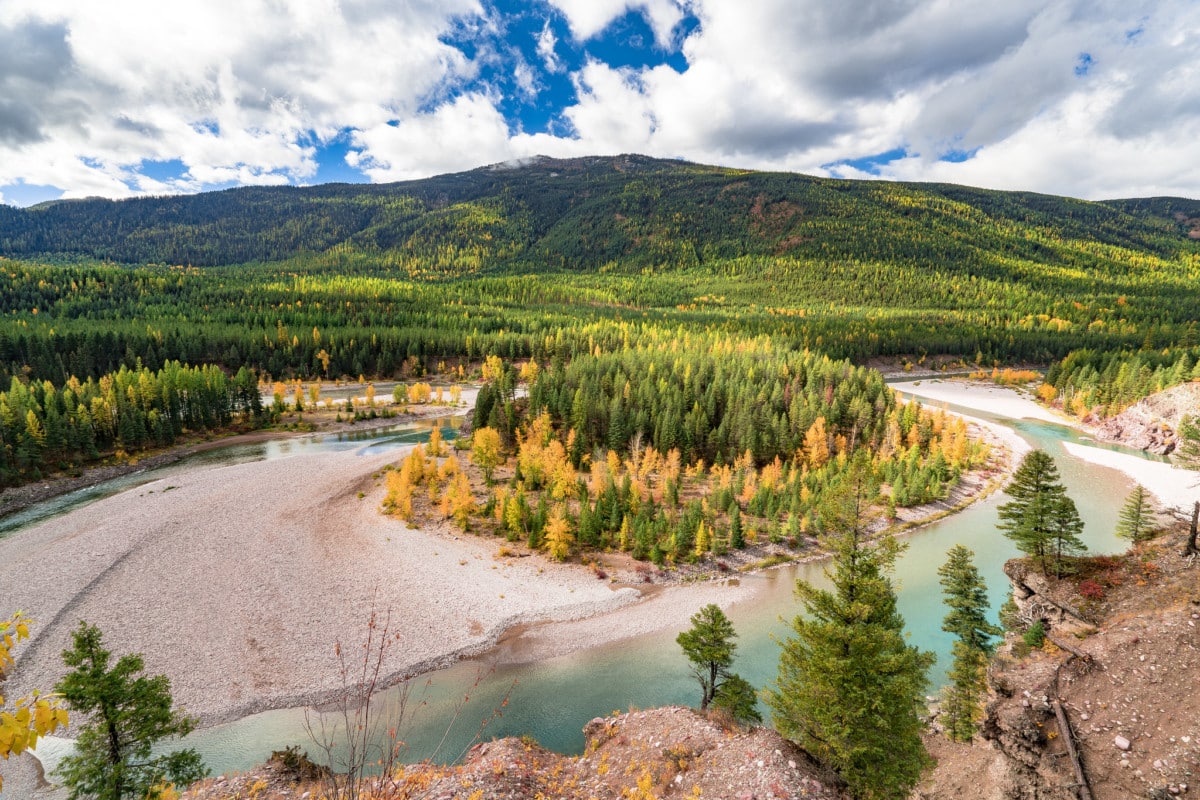
This Montana forest offers views and experiences year-round! Your preferred activities may be the most influential indicator as to when you should visit. Winter is a great time if you love hitting the ski hills or enjoy snowshoeing and snowmobiling.
The remaining seasons, fall, spring and summer, offer a plethora of other outdoor activities as well, such as: hiking, boating, swimming, camping, and quadding. Regardless of the time of year you plan your visit, the Flathead Forest offers dynamic sights and experiences for all, allowing it to be a fantastic reoccurring vacation destination!

Can I camp in Flathead National Forest?
Flathead National Forest offers a wide variety of camping experiences to meet the comfort levels of all, from beginner to advanced campers. If you are considering Flathead National Forest camping, the following headings, questions and considerations will provide you with a bountiful amount of information in order to locate the best way to camp in Flathead Montana for you!
Flathead National Forest offers a variety of campgrounds including:
- Big Creek Campground
- Moose Lake Campground
- Red Meadow Lake Campground
- Tuchuck Campground
- Devil Creek Campground
- Devil’s Corkscrew Campground
- Doris Creek Campground
- Emery Bay Campground
- Graves Creek Campground
- Handkerchief Lake
- Riverside Campground
- Lakeview Campground
- Lid Creek Campground
- Lost Johnny Campground
- Lost Johnny Point Campground
- Murray Bay Campground
- Beaver Creek Campground
- Peter’s Creek Campground
- Spotted Bear Campground
- Holland Lake Campground
- Lindbergh Lake Campground
- Swan Lake Campground
- Van Lake Campground and Day Use
- Ashley Lake North Campground
- Ashley lake South Campground
- Sylvia Lake Campground
- Tally Lake Campground
- Upper Stillwater Lake Campground
Some offer different amenities, so keep that in mind when you are planning on which campground to stay at.
Can I rent a cabin in Flathead National Forest?
If tent camping is intimidating to you, don’t worry, Flathead National Forest has got you covered through cabin rentals! All cabins have either wood or electric stoves to make cooking and heating a breeze, and some have electricity and indoor plumbing too. Cabins offer different transportation methods from complete drive-in access to others that require a hike, ski or snowmobile in.
You can reserve your cabins in advance on the recreation.gov website.
Similarly to camping, each of the ranger districts offer different cabins for nightly rentals. Visiting the link and clicking through the different cabins will help you identify the resources and utilities that are included with each. Fees vary depending on the cabin, but many of them are free as long as you book in advance!
- Ben Rover Cabin
- Ford Cabin
- Hornet Lookout Cabin
- Ninko Cabin
- Schnaus Cabin
- Wurtz Cabin
- Anna Creek Cabin
- Challenge Cabin
- Zip’s Place Cabin
- Silvertip Cabin
- Mission Lookout Cabin
- Old Condon Ranger Station
- Owl Creek Cabin
- Swan Guard Station
- Star Meadow Guard Station Cabin

Is there dispersed camping in Flathead National Forest?
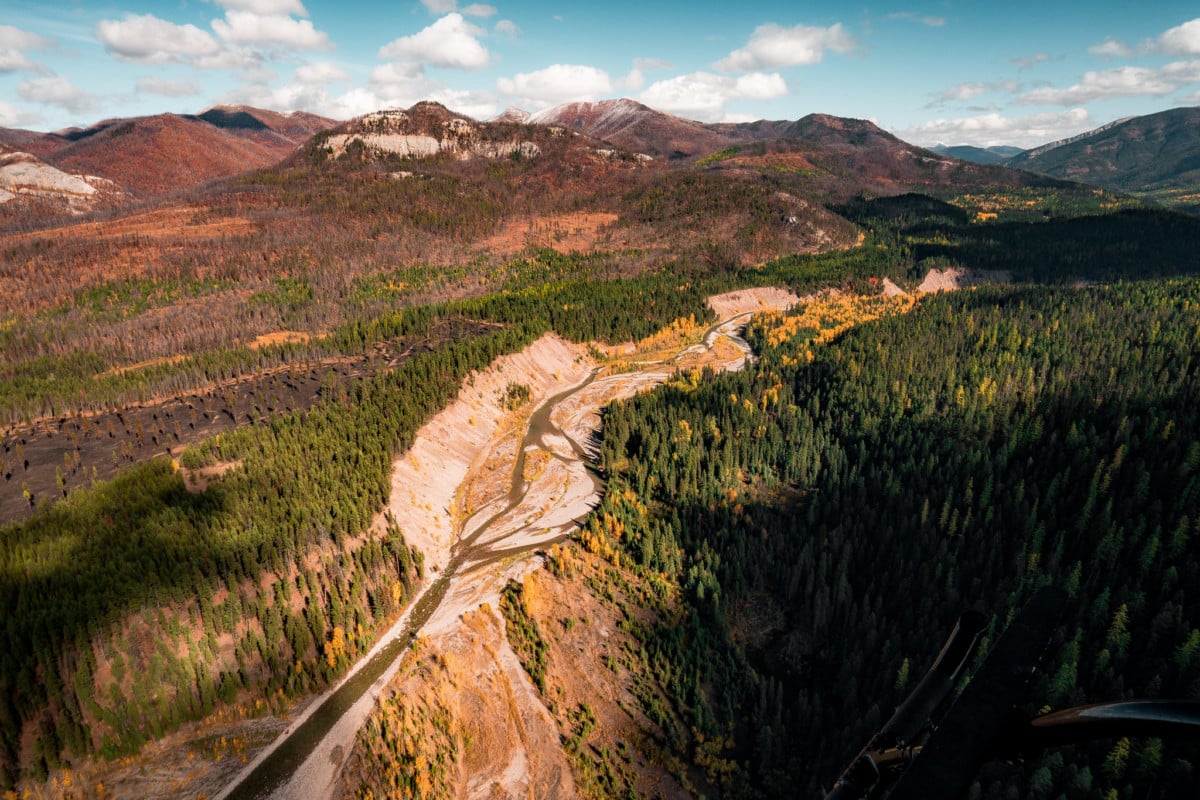
If you are adventurous and enjoy being one with nature dispersed camping might be your thing. Dispersed camping is camping outside of developed land or campgrounds. This “off-the-grid” style of camping is free throughout Flathead National Forest.
Is there group camping in Flathead National Forest?
If you are seeking to camp with a group, organized or not, group camping is the best choice. Group campsites allow multiple tents to be set up in one area so that your group stays together and enjoys the time with one another to the fullest. Not all campgrounds throughout the forest offer group campsites, but there are a few options in each district including:
- Big Creek Campground
- Emery Bay Campground
- Holland Lake Campground
- Swan Lake Campground
- Swan Valley
- Tally Lake Campground
Do I need a backcountry permit for Flathead National Forest?
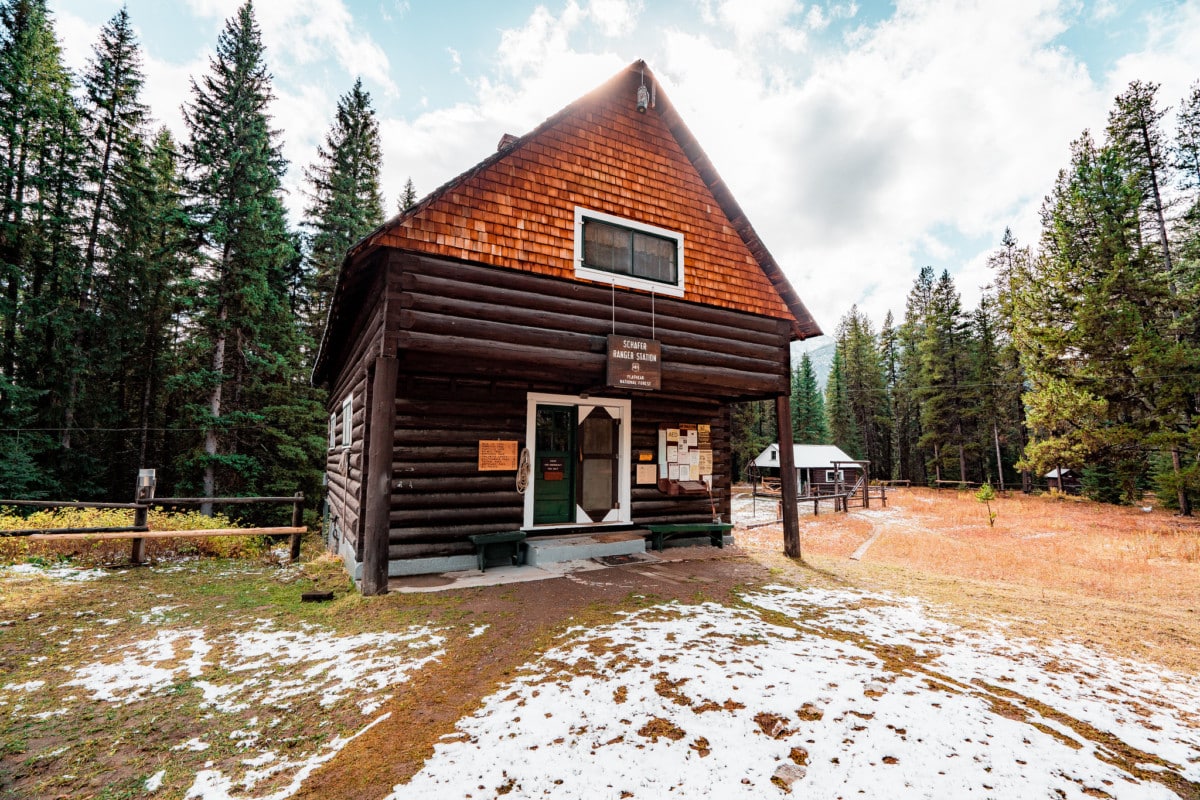
You do not need a backcountry permit for Flathead National Forest! The forest, and especially Jewel Basin, are open to exploration and enjoyment. However, staying on the trail is a good idea for environmental and navigational reasons–you don’t want to get lost! It’s always a good idea to go into your backcountry experience prepared and knowing the rules. Make sure you have a way to contact help if need be, and read the section on bears later in this article so you know what to expect when it comes to wildlife.
What do I need to know about having a campfire in the Flathead National Forest?
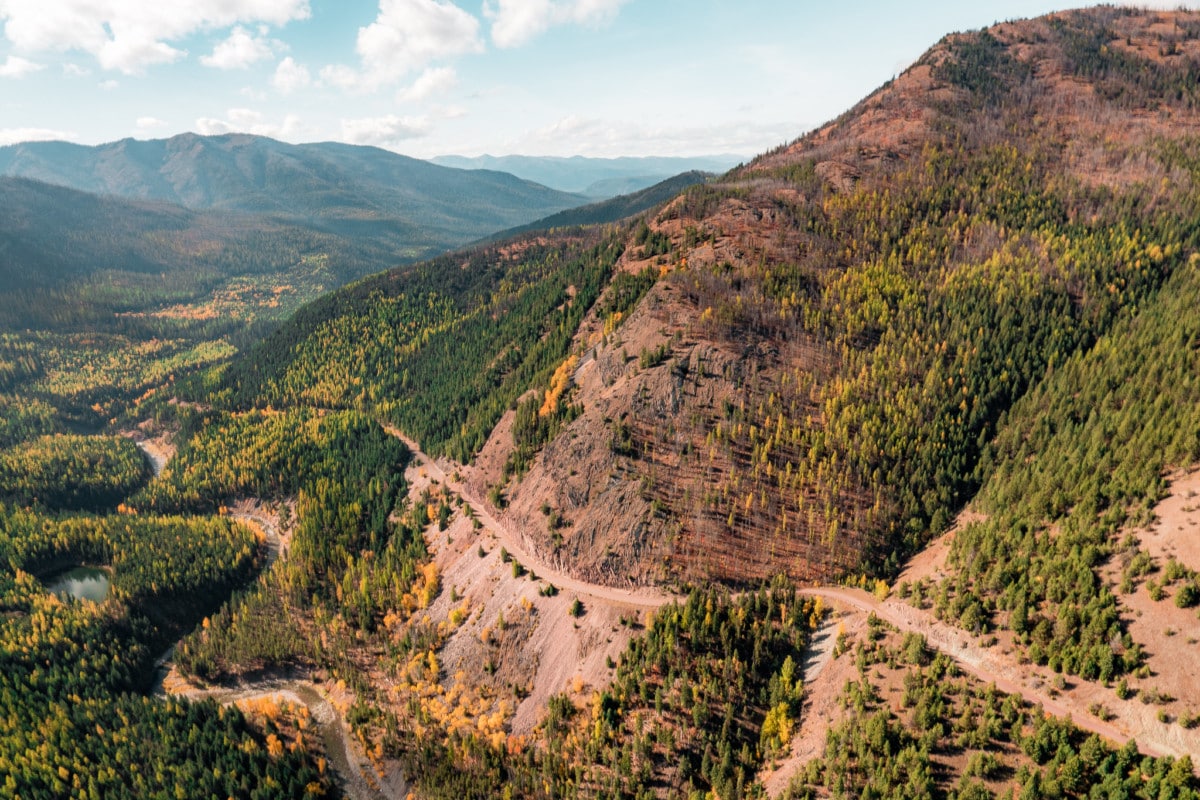
Campfire regulations can differ between locations throughout Flathead, so be sure to check what those restrictions and standards are in your particular destination. Some general guidelines that should be followed are:
- It is acceptable to gather and utilize down and dead firewood, but not to cut standing trees
- Do not transport wood to or from the forest to avoid insect introductions
- Use established fire rings, fire pans, and mound fires
- Keep fires small and respectful
- Ensure you have adequate amounts of water (6-10 gallons) to completely extinguish campfires
- Burn and extinguish all wood and coals to ashes
- Never leave a campfire unattended
These safety tips and guidelines ensure the safety of visitors, but also of the natural environment and those creatures that live there.
Can I bring my dog to the Flathead National Forest?
Dogs are welcome throughout Flathead National Forest. Some developed areas and trails do require a leash, so just be sure to check for such signage in the area you find yourself.
What should I know about bears in the Flathead National Forest?
Flathead National Forest is home to a population of grizzly bears. These bears start to emerge from hibernation in March, and don’t always begin to return to dens until late fall or early winter, allowing many months of opportunity to spot one throughout the forest. Do not fear though, the risk of aggression towards humans is rare. Be prepared by:
- Being alert and aware of your surroundings
- Carry bear spray
- Make noise and move slowly
- Avoid venturing in the early morning or evening
- Avoid going out alone into the wild
- Store your food in a bear-safe container
The best hiking trails in Flathead National Forest
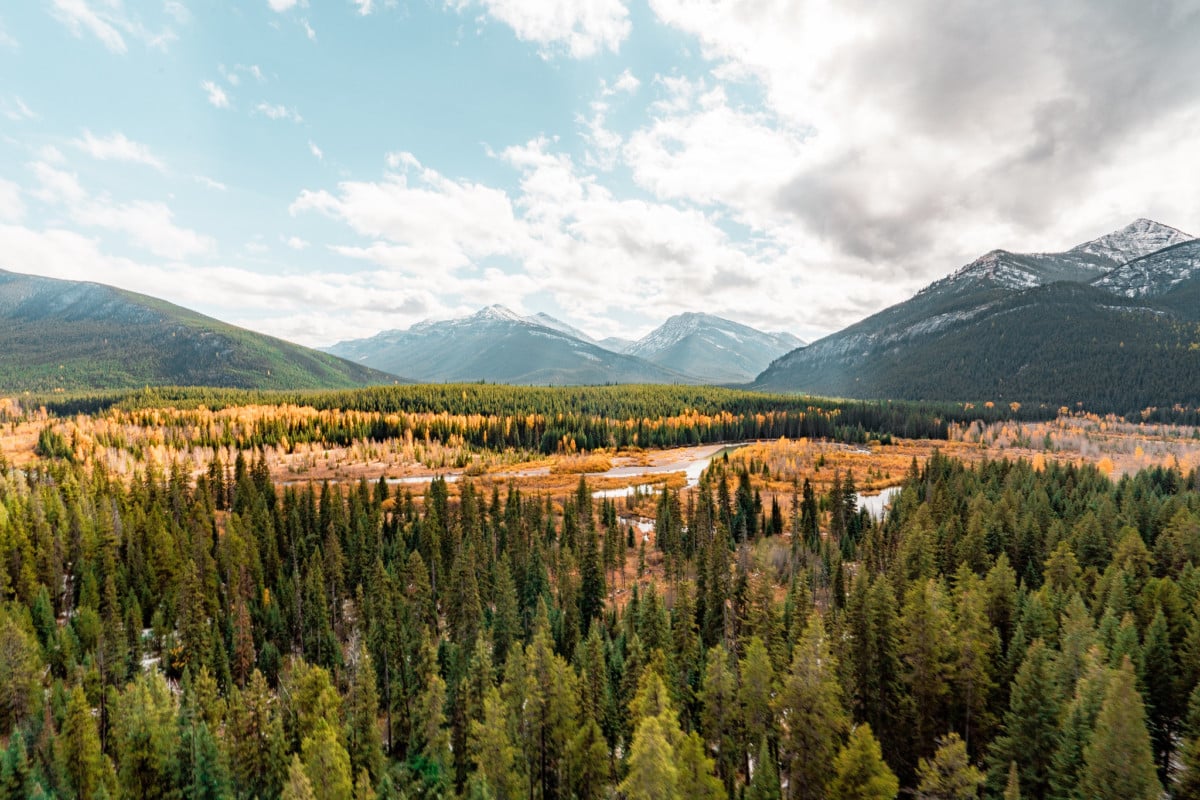
Having over 2,000 miles of trails provides visitors endless possibilities to explore the different landscapes and sights of the National Forest. Many trails have multiple uses (hiking, riding, cycling), so it is important to be mindful and respectful when using the same trails.
Stanton Lake
Difficulty: Moderate
Distance: 4.5 miles
Stanton Lake trailhead is near Glacier National Park and offers incredible views of Stanton Lake. This trail does offer some inclines, but levels out as you continue through, taking most hikers an average of 1 hour and 48 minutes to complete. Open to hikers and horseback riders, this trail also offers opportunities for fishing. Dogs are also welcome, but must be leashed. The scenic views and solitude of Stanton Lake are most commonly travelled between June and October.
Holland Lake and Falls
Difficulty: Easy
Distance: 1.6 miles
Open only to hikers, Holland Land and Falls trail leads you along the shoreline of Holland Lake while gradually climbing 750 feet to meet the base and beauty of the Holland Falls. This out-and-back trail has high foot traffic, due to its popularity, and averages about 1 hour and 27 minutes to complete. The ease of this trail allows it to be popular for birding, camping and fishing, in addition to hiking. Dogs are welcome, but must be leashed. Due to being close to water, the best time of year to explore this trail is between May and October.
Strawberry Lake Trail No. 5
Difficulty: Hard
Distance: 2.8 miles
Hikers enjoy the wooded ridges, flat lands and sidehills that ultimately lead to the alpine lake.
The distance, 2.8 miles, is not what makes this trail hard, but rather the 1,500 feet climb! With this elevation gain, it takes an average of 3 hours and 43 minutes to complete this trail. To avoid a slippery climb, May through October is the best time to tackle this trail. Be mindful and aware that this trail is also utilized by: horseback riders, mountain bikers, and motorcycles. As commonly found, this trail is dog friendly, even offering sections that allow for off-leash.
Mount Aeneas Summit Trail
Difficulty: Hard
Distance: 4.3 miles
Wonder through a sub-alpine spruce forest prior to climbing the ridges to Mount Aeneas, the highest point in the hikers-only Jewel Basin. From this summit you can soak up the views of wildflower meadows, Flathead Mt, and pristine lakes. Atop Mount Aeneas, you are also likely to encounter and spot mountain goats! As any wild animal, be sure to respect their space and do not approach them directly. Following the summit, the trail does also wind down to Picnic Lake. This complete hike averages an adventure time of 3 hours and 39 minutes from start to finish, and is most suitable to be explored between May and October.
I’m leading tours this year to Mount Aeneas! If you’re interested in this amazing hike, check out this link below:
Birch Lake Trail
Difficulty: Moderate
Distance: 0.8 miles
Also located within Montana’s Western region of Jewel Basin, Birch Lake trail offers spectacular views of the alpines and the lake, Birch Lake. Being a relatively easy journey, after the initial elevation gain at the trailhead, Birch Lake trail is a great day trip for families. Soak up these views, in addition to wildflowers and ripe berries through the months of July and August.
Danny On National Recreation Trail
Difficulty: Hard
Distance: 3.9 miles or longer (variety of trail options)
The Danny On National Recreation Trail begins at the base of the ski resort, and journeys up to the summit with incredible views! From the top take in the sights of Flathead Valley Montana, Glacier National Park, Bob Marshall Wilderness, Flathead Lake and the Canadian Rockies. Despite being labeled as a hard trail, hikers have options. With it being a ski hill, hikers can opt to purchase a one-way ticket on the chairlift, allowing them to take in the scenery on-way and hiking the other. Dogs are not allowed on the chairlift though.
Glacier Lake Trail
Difficulty: Easy
Distance: 4.6 miles
Offering a balance between lake views and the mountain side, Glacier Lake trail offers a great day trip. Not only will you visit Glacier Lake, but you will also experience Turquoise Lake, Crescent Lake and Heart Lake. Along the trail you are also likely to see people birding and or fishing. This trail is one with the wilderness, as horseback riders also have access to it, so be sure dogs stay leashed at all times.
Crater Lake
Difficulty: Moderate
Distance: 3.7 miles
Crater Lake begins as a multi-use trail for hiking, horseback riding, and mountain biking, but after 2.7 miles, it is strictly hiking access only. This trail is also popular for backpacking, camping and fishing. Carter Lake trail sits in the Flathead valley below Crater Mountain, and offers similar views and sights as Birch Lake trail, given their close location. How they differ though is that Crater Lake trail tends to be a bit less crowded, offering a more tranquil hiking experience.
Columbia Mountain Trail
Difficulty: Hard
Distance: 12.5 miles
The Columbia Mountain Trail runs along the forested side of the Swan Mountain Range before climbing to the peaks of Columbia Mountain. The peak of this mountain overlooks Glacier National Park, Great Northern Mountain and the Great Bear Wilderness. Along the way you will also get to take in waterfalls, including Columbia Falls, and exceptional wildflowers in the spring and summer months. If hiking this distance is discouraging to you, consider other modes of transportation that are allowed throughout the Columbia Mountain Trail.
Ousel Peak Trail
Difficulty: Hard
Distance: 3.6 miles
From roadside to peak, this trail offers very little variety in climbing conditions, it’s a steady climb to the top. Most of your journey is through dense woods and green foliage that slowly dissipates as you reach the summit point. Once at the peak you can step back and enjoy the sights of mountain peaks, the Flathead Range, Harrison Lake, and Lewis Mountain Range. If hiking with a dog, this is a great trail for off-leash exploration.
Have you ever made it to Flathead National Forest? Share your favorite trail in the comments!
Like this post? Save it for later!

Want more information on Montana? Check out these articles: