
The Ultimate Guide to Lee Metcalf National Wildlife Refuge
The Lee Metcalf National Wildlife Refuge is a magnificent natural area situated in Montana, covering a vast expanse of 2,800 acres along the Bitterroot River. It was established in 1964 and later renamed in 1978 as a tribute to the late Senator Lee Metcalf. Senator Metcalf was a conservationist from Montana who dedicated his life to safeguarding the state’s natural resources.
If you’re planning a road trip through Montana, make sure to add the Lee Metcalf National Wildlife Refuge to your itinerary. It’s an excellent spot for a day trip from Missoula, located conveniently between Missoula and the Bitterroot Valley. You’ll have a chance to explore the refuge and discover the local wildlife.
What to see at the Lee Metcalf National Wildlife Refuge
The Lee Metcalf National Wildlife Refuge has a lot to offer visitors, making it a must-visit place to visit near Missoula. If you have an afternoon to spare, I highly recommend exploring the refuge’s two nature trails while taking in the stunning views of the Bitterroot and Sapphire Mountains. Birdwatching is also a popular activity in the area, and you won’t be disappointed by the variety of wildlife that you’ll come across during your visit
[lwptoc hideItems=”1″]
Map of Lee Metcalf National Wildlife Refuge
How to get to the Lee Metcalf National Wildlife Refuge
It’s important to keep in mind that the Lee Metcalf Wilderness Area and the Lee Metcalf National Wildlife Refuge are two distinct places. The Wilderness Area is a federally designated area located next to the refuge that’s a popular destination for hikers and backpackers seeking to explore Montana’s rugged wilderness during the summer months.
To reach the Lee Metcalf National Wildlife Refuge, you’ll need to travel 25 miles south of Missoula or 2 miles north of Stevensville via the Stevensville Cutoff Road. Although the refuge is open year-round, some areas may be inaccessible at certain times of the year to preserve the habitats of the local wildlife.
Migratory birds and other wildlife
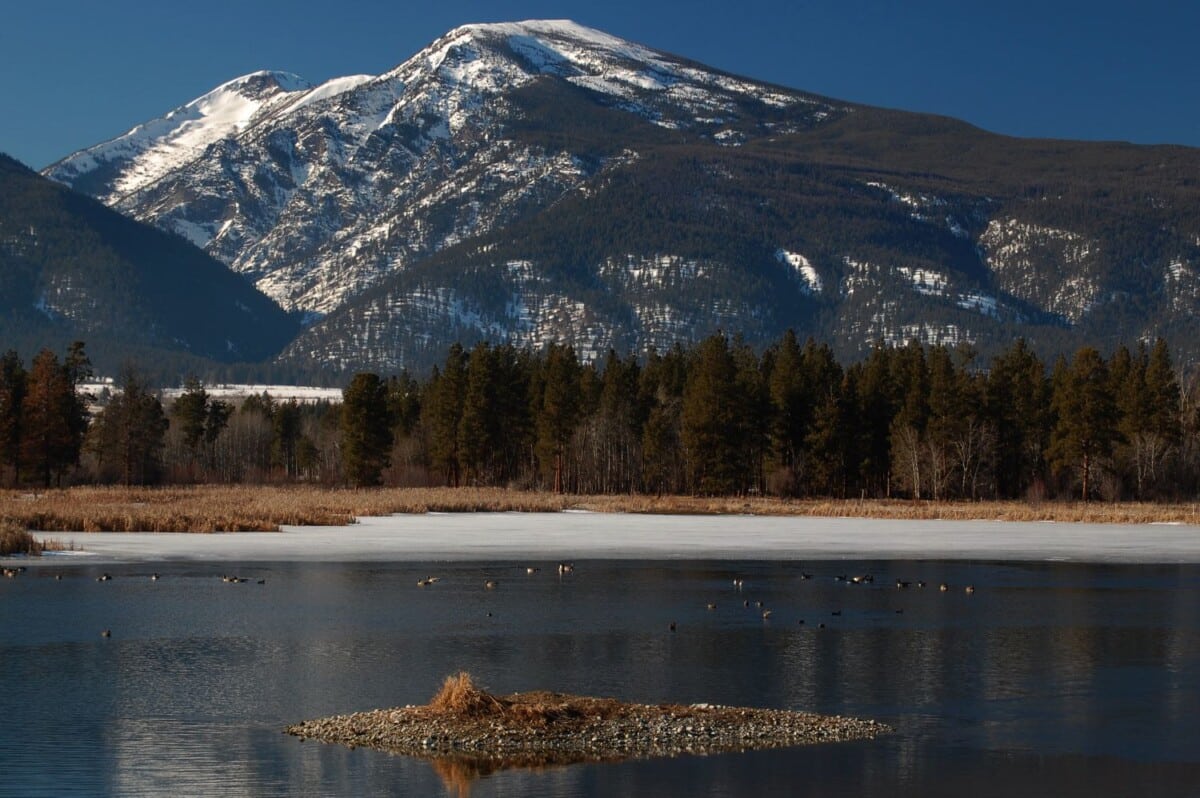
The main objective of the Lee Metcalf National Wildlife Refuge is to preserve habitats for migratory bird species. More than 250 species of birds, 37 species of mammals, and 17 species of reptiles and amphibians have been documented in the area, which makes it an excellent spot for nature enthusiasts and bird watchers alike.
The red-tailed hawk, great blue heron, American kestrel, and osprey are among the most frequently sighted migratory birds. During the autumn and winter months, visitors may catch a glimpse of bald eagles, which migrate to the area to feed on fish in the Bitterroot River.
Apart from migratory bird species, the Lee Metcalf National Wildlife Refuge also boasts a diverse range of mammals, reptiles, and amphibians. The refuge is home to a variety of mammals, including elk, mule deer, white-tailed deer, yellow-bellied marmot, yellow-pine chipmunk, northern pocket gopher, meadow vole, porcupine, striped skunk, muskrat, American beaver, mink, and raccoons. Visitors may also spot black bears, coyotes, and mountain lions, although these animals are less frequently seen.
The refuge’s wetlands, ponds, and rivers serve as habitats for a range of reptiles and amphibians, including painted turtles, western painted turtles, bullfrogs, and western toads. Visitors can observe these creatures in their natural habitats by taking a stroll along the Wildlife Viewing Area (WVA) Trail and Kenai Nature Trail.

Nature trails
Visitors of the Lee Metcalf National Wildlife Refuge can explore two nature trails that allow them to observe the local wildlife in their natural environments. The Wildlife Viewing Area (WVA) Trail and Kenai Nature Trail are both ideal for this purpose. Visitors can also enjoy a drive-thru scenic view on Wildfowl Lane, which has a parking lot, allowing them to appreciate the beautiful views without leaving their cars.
The Kenai Nature Trail is a popular choice for those seeking a leisurely and picturesque stroll. The trail is just over one mile in length and takes hikers through a diverse range of ecosystems, including grasslands, shrublands, and cottonwood groves. Expect to see various types of wildlife, such as deer and coyotes.
The Wildlife Viewing Area Trail is a flat and easy route suitable for both hikers and bikers. It weaves through grasslands and wetlands, offering many opportunities to spot different wildlife species

Conservation efforts at Lee Metcalf National Wildlife Refuge
The Lee Metcalf National Wildlife Refuge actively preserves and safeguards its diverse range of wildlife species and their habitats. The refuge’s conservation efforts include managing water levels to support wetland habitats, restoring native vegetation, and controlling invasive species.
One of the most significant conservation efforts at the refuge is the protection and restoration of riparian woodland habitats. These habitats, which are located alongside the Bitterroot River, serve as crucial nesting and foraging areas for migratory bird species. The refuge’s riparian woodland restoration initiatives involve eliminating invasive plant species like Russian olive and tamarisk and planting native vegetation, such as cottonwoods and willows.
Refuge staff members also work to regulate water levels in the wetlands to provide suitable habitats for various bird species. Wetland habitats are crucial for species such as the American bittern, which rely on dense vegetation for nesting and foraging.
Fish and wildlife service for hunting and fishing
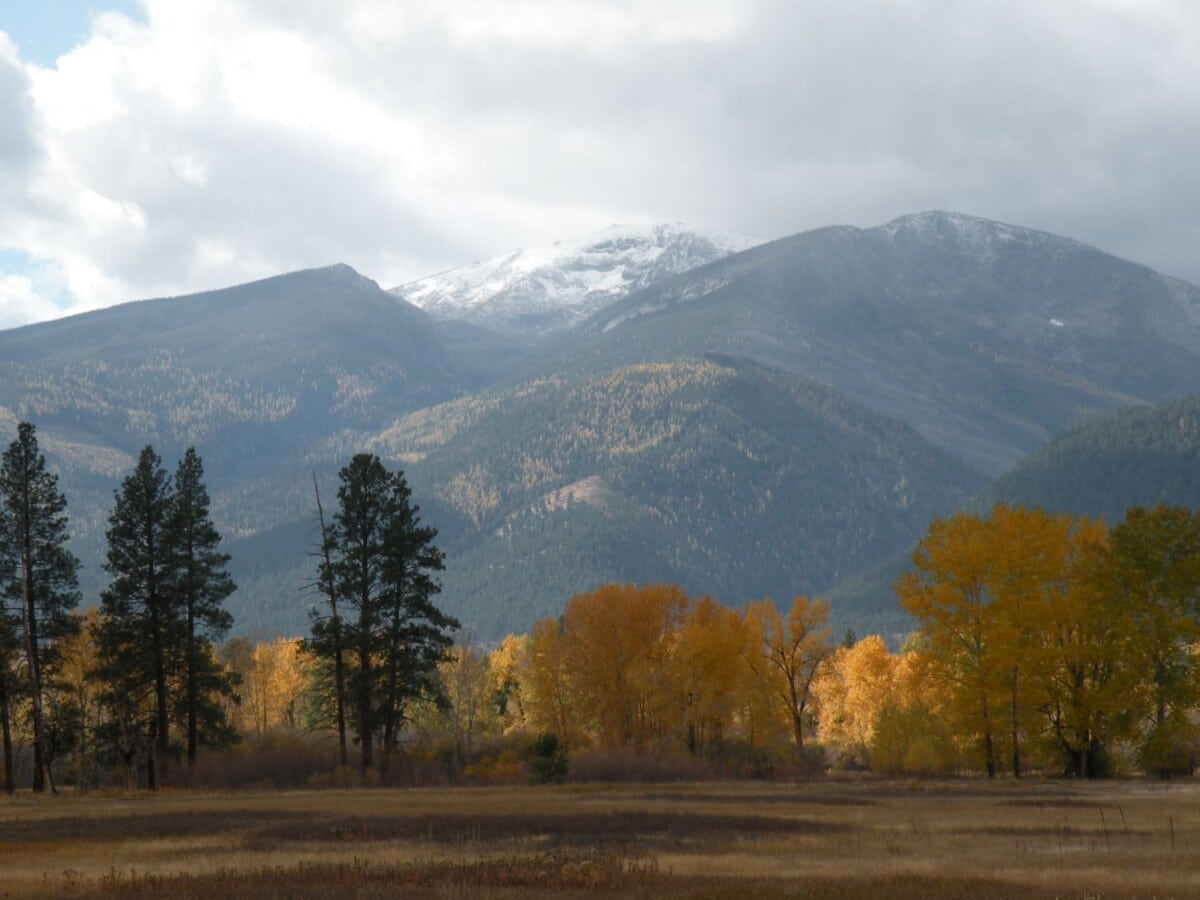
For those interested in hunting and fishing, the Lee Metcalf National Wildlife Refuge offers several opportunities. Designated hunting areas are available during certain seasons, and the Bitterroot River, which flows through the refuge, is open for fishing.
Hunting is permitted in specific areas of the refuge during select seasons. Hunters must follow strict regulations and guidelines set forth by the Montana Fish, Wildlife, and Parks Department to ensure the safety of themselves and the wildlife. Popular game species include white-tailed deer, mule deer, and waterfowl. You will need to obtain hunting permits through the Montana Fish, Wildlife, and Parks Department.
Fishing is another favorite activity at the refuge, particularly fly fishing in the Bitterroot River. The river is home to various fish species, including brown trout, cutthroat trout, and rainbow trout. Visitors must obtain a Montana fishing license and adhere to all Montana Fish, Wildlife, and Parks Department regulations.
History and culture
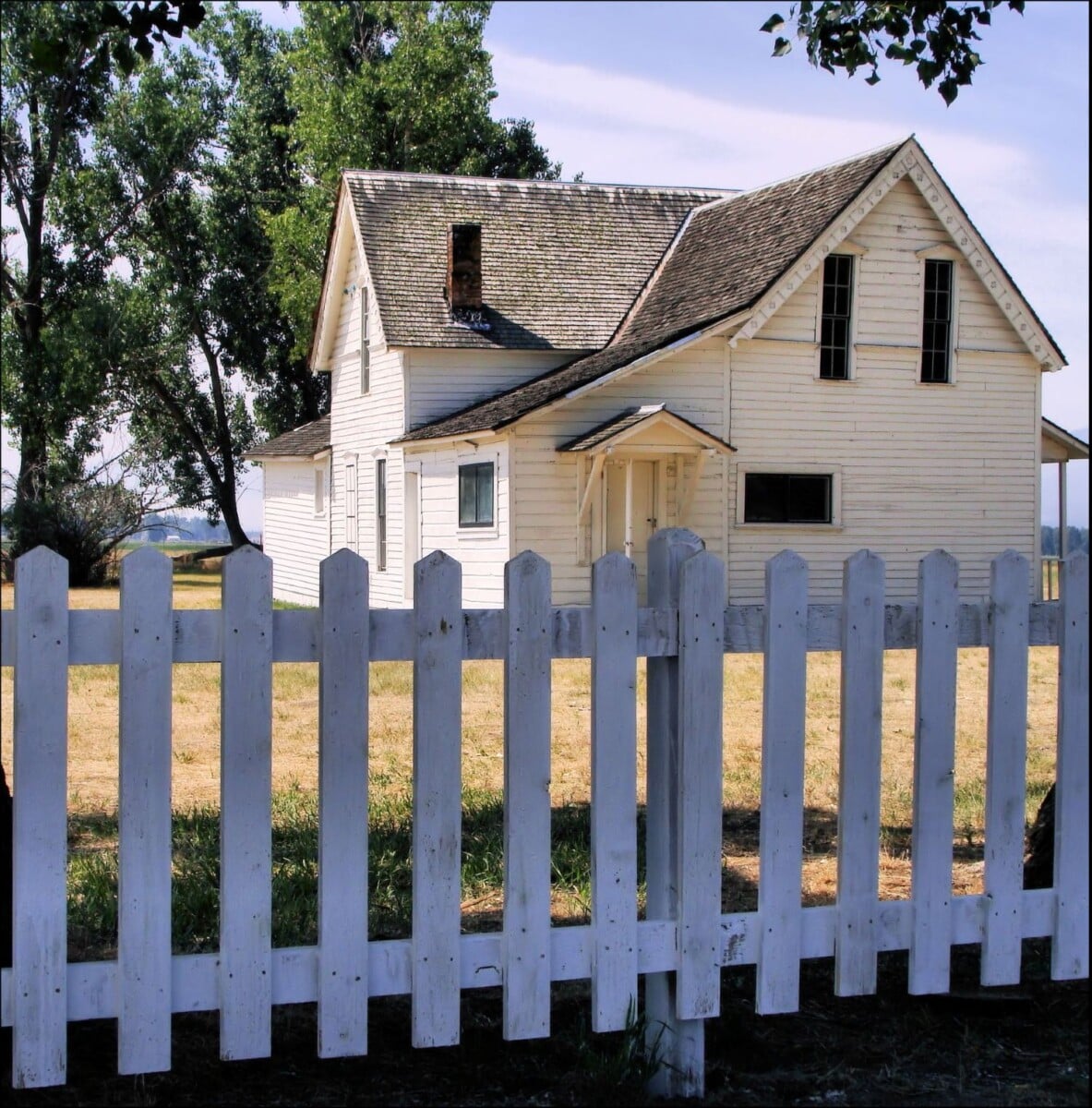
The Lee Metcalf National Wildlife Refuge is home to various historical and cultural landmarks in addition to its natural beauty and recreational opportunities. The Whaley Homestead, an eight-room log house constructed in 1885 by pioneer John Whaley, is a notable landmark that provides a glimpse into the lives of early settlers in the area. The homestead is open to the public for tours and offers insights into the lives of early Montana pioneers. Visitors can also appreciate the historic architecture and furnishings of the Whaley Homestead.
Another noteworthy attraction is the Visitor Center. The center features a variety of exhibits and information about the area and its wildlife, making it an excellent resource for visitors interested in learning more about the refuge’s history and ecology. The visitor center also provides educational programs for both children and adults, making it a popular destination for school field trips and other group outings.
The Lee Metcalf National Wildlife Refuge is a valuable resource for both the local community and visitors from around the country. Its diverse range of wildlife, recreational opportunities, and educational programs make it a unique and valuable national wildlife refuge. Visitors can experience Montana’s natural beauty while also learning about the importance of wildlife conservation, environmental education, wildlife service, and the region’s rich history.
Like this post? Save it for later!

Want more information on Montana? Check out these articles:


