The Ultimate Guide to Bridger-Teton National Forest
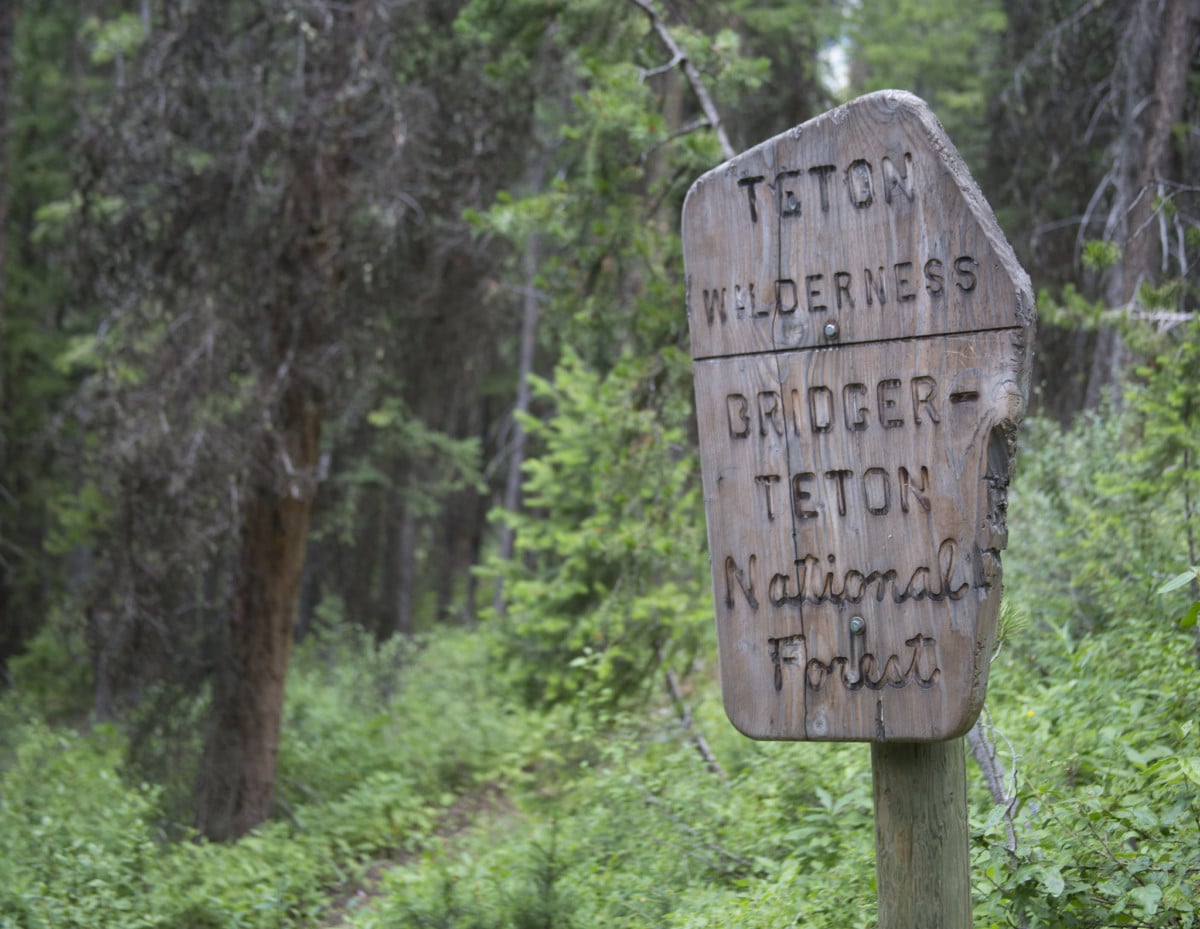
What’s not to love about the national forests out west? One of the best things about Bridger-Teton National Forest is that it is near some of the most iconic national parks–Yellowstone National Park and Grand Teton National Park. Whether you are adding the national forest to your trip or choosing to visit instead of these more crowded attractions. If you truly want to connect with nature and experience some amazing hiking trails, this is the place to do it!
This national forest is one of the highlights of the Greater Yellowstone ecosystem, and whether you’re into spotting wild animals, viewing scenic rivers, mountain biking, or simply enjoying a picnic, this is one of the best wilderness areas to do so.
Everything you need to know about visiting Bridger-Teton National Forest
This guide covers what you need to know about visiting Bridger-Teton National Forest!
[lwptoc hideItems=”1″]
Map of Bridger-Teton National Forest
Where is Bridger-Teton National Forest?
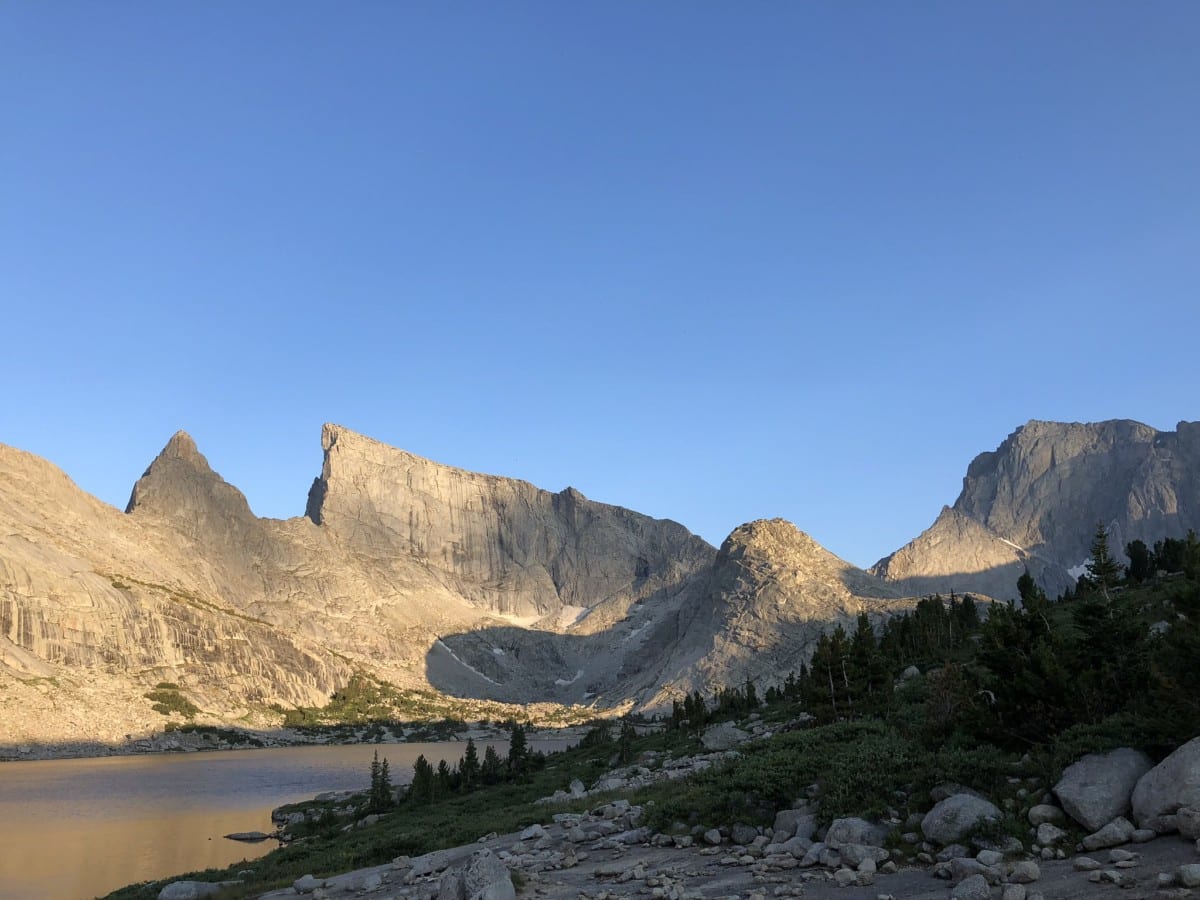
Bridger-Teton National Forest is located in the north-west corner of Wyoming just south of Yellowstone National Park. The National Forest extends south for more than 100 miles to the Kremmener Region and west to the Shoshone National Forest. The Wind River Range calls this area home, and you’ll be able to spot some of Wyoming’s largest peaks here, including the tallest in the state, Gannett Peak.

How do I get to Bridger-Teton National Forest?
With its enormous size, Bridger-Teton National Forest can be accessed from multiple directions. U.S. Route 26 and U.S. Route 287 both enter the forest from the north, while U.S. Highways 89 and 191 provide access to the southern forest in the vicinity of Jackson, Wyoming, the closest town. These immense wildlands take up a large chunk of the state, so there are plenty of places you can access the forest depending on what activity you would like to do.
When is the best time to visit Bridger-Teton National Forest?
Bridger-Teton National Forest is a spectacular area to visit at any time of the year. For most hikers, and campers the summer months will be the most popular. Daytime temperatures can reach 70 degrees and wildlife from bald eagles to bighorn sheep can be observed. Spring and early fall are popular times for campers looking to forage and explore the changing seasons.
For those who can brave the cold, this national forest is ideal for winter recreation. Backcountry skiing, snowshoeing, and snowmobiling are common activities on this vast piece of public land. Winter can be very cold and parts of the forest will be closed to vehicles, however the cross country skiing and solitude are both powerful draws for winter focused campers.
Bridger-Teton does issue mushroom harvesting permits for locavores interested in gathering seasonal mushrooms.
Can I camp in Bridger-Teton National Forest?
Yes. Bridger-Teton National Forest offers dispersed camping, camp sites, and cabin rentals as well. For those looking to find a standard campsite I’ve listed the most popular sites grouped by location in the forest. Most campsites are first come first serve, please check the information on each site to determine their status.
- Middle Piney Lake Campground
- Sacajawea Campground
- Turpin Meadow Campground
- Hatchet Campground
- Pacific Creek Campground
- Sheffield Campground
- Forest Park Campground
- Moose Flat Campground
- Murphy Creek Campground
- Swift Creek Campground
- Cottonwood Lake Campground
- Curtis Canyon Campground
- Atherton Creek Campground
- Crystal Creek Campground
- Granite Creek Campground
- Hoback Campground
- Kozy Campground
- East Table Campground
- East Table Group Campground
- Little Cottonwood Group Campground
- Station Creek Campground
- Station Creek Group Campground
- Wolf Creek Campground
- Allred Flat Campground
- Hams Fork Campground
- Hobble Creek Campground
- Lake Alice Campground
- Big Sandy Campground
- Boulder Lake Campground
- Fremont Lake Campground and Group Campground
- Green River Lake Campground
- Half Moon Lake Campground
- New Fork Lake Campground
- The Narrows Campground
- Trails End Campground
- Whiskey Grove Campground
- White Pine Ski Area
- Willow Lake Campground

Can I rent a cabin in Bridger-Teton National Forest?
There are many cabins available to rent within the National Forest. Cabins must be reserved ahead of time. Reservations can be made online at www.recreation.gov or by calling toll free 1-877-444-6777. Each cabin listing includes the amenities offered and maximum number of occupants. I recommend checking out the recreation.gov website for more detailed information.
- Hoback Guard Station
- Snyder Guard Station
- Cazier Guard Station
- Deer Creek Guard Station
- McCain Guard Station
- Meadows Guard Station
- Kelley Guard Station
- LaBarge Guard Station
- Scaler Guard Station
- Green River Lake Lodge
Is there dispersed camping in Bridger-Teton National Forest?
Yes. Dispersed camping in Wyoming’s Bridger-Teton National Forest is permitted almost anywhere within the park. Campers must camp at least one mile from developed camping areas like managed sites and picnic areas. Camping must be done 100 feet or more from any body of water such as rivers, streams, or lakes. It is requested that campsites be no more than 150 feet from a roadway to reduce damage to the area. Dispersed camping is primitive camping so there will be no amenities and the “Leave No Trace” principles should be adhered to, leave the forest better than you found it.
A list of popular dispersed camping sites is included below:
- Hatchet/Flagstaff Area
- Togwotee Pass Area
- Greys River Corridor
- Smith Fork Area
- Star Valley Front
- Shadow Mountain/Ditch Creek Area
- Hams Fork Area
- LaBarge Creek Area
Is there group camping in Bridger-Teton National Forest?
Group camping is available in the forest, for groups of 75 or more campers a special use permit must be obtained.
A list of popular group camping sites is included below:
- Star Valley Front
- Cottonwood Lake Group Campground
- Little Cottonwood Group Campground
- Station Creek Group Campground
- Fremont Lake Campground and Group Campground
- Green River Lake Group Campground
- New Fork Group Campground
Do I need a backcountry permit for Bridger-Teton National Forest?
While visiting Bridger-Teton National Forest in Wyoming there are a number of activities that require additional permits. For individual camping there is no requirement for a back-country permit. Group permits and off-road vehicle permits are required, but outside of the initial day use fee and camping registration there is no permit like at Grand Teton.
What do I need to know about having a campfire in the Bridger-Teton National Forest?
Campfires are permitted in Bridger-Teton. It is crucial that all campers adhere to any restrictions that are posted in regards to fires. Wildfires are a major concern in Wyoming and the forest service may issue fire restrictions where no fires may be created outside of designated fire rings and grills. Even when not in fire season proper fire procedures are encouraged.
Can I bring my dog to the Bridger-Teton National Forest?
Yes, you can bring your favorite four-legged camper to Bridger-Teton National Forest. Pets must remain on leashes for their stay and are not permitted everywhere. Pets are not allowed in buildings, or on beaches, trails, and the waterways. A good rule of thumb for where pets are allowed is if you can have a car there you can have a pet there.

What do I need to know about bears in the Bridger-Teton National Forest?
Both grizzly bears and black bears are prevalent in Wyoming. Because of the high chance of bear encounters campers must adhere to food storage rules while in Bridger-Teton National Forest. Food must be stored in bear-proof containers inaccessible to bears. Bear-resistant panniers and food tubes are available at the Blackrock, Jackson, and Pinedale District Offices. Once fed human food, bears can be dangerous to other humans.
While these items are free to use a donation is requested. When encountering a bear, behaving in a calm manner is key. Never turn and run from a bear. Bear spray is an effective deterrent for bears but must be used appropriately.
Hiking trails in Bridger-Teton National Forest
With 1.4 million acres of land to explore in Bridger-Teton National Forest, a hiker can explore to their heart’s content. For those hikers that like to stay on the trail, the forest has many established trails. Some of these trails can also be used for other activities like horseback riding and trail running, so keep this in mind when sharing the trail.
Ski Lake Trail
Difficulty: Moderate
Distance: 5.0 mi
Ski Lake Trail is a 5 mile in and back hike terminating at Ski Lake. The hike to the lake is an ascension of about 1100 feet making this hike easier on the way down and moderately challenging on the way back. The hike is through meadows and aspen forests, giving hikers plenty of opportunities to observe animals such as elk, mule deer, and more. Swimming at Ski Lake is a popular activity. Keep in mind the lake will be refreshingly cold in even the summer months. Expect this hike to take about two and a half hours to reach the lake.
Cache Creek and Hagen’s Trail Loop
Difficulty: Easy
Distance: 1.9 mi
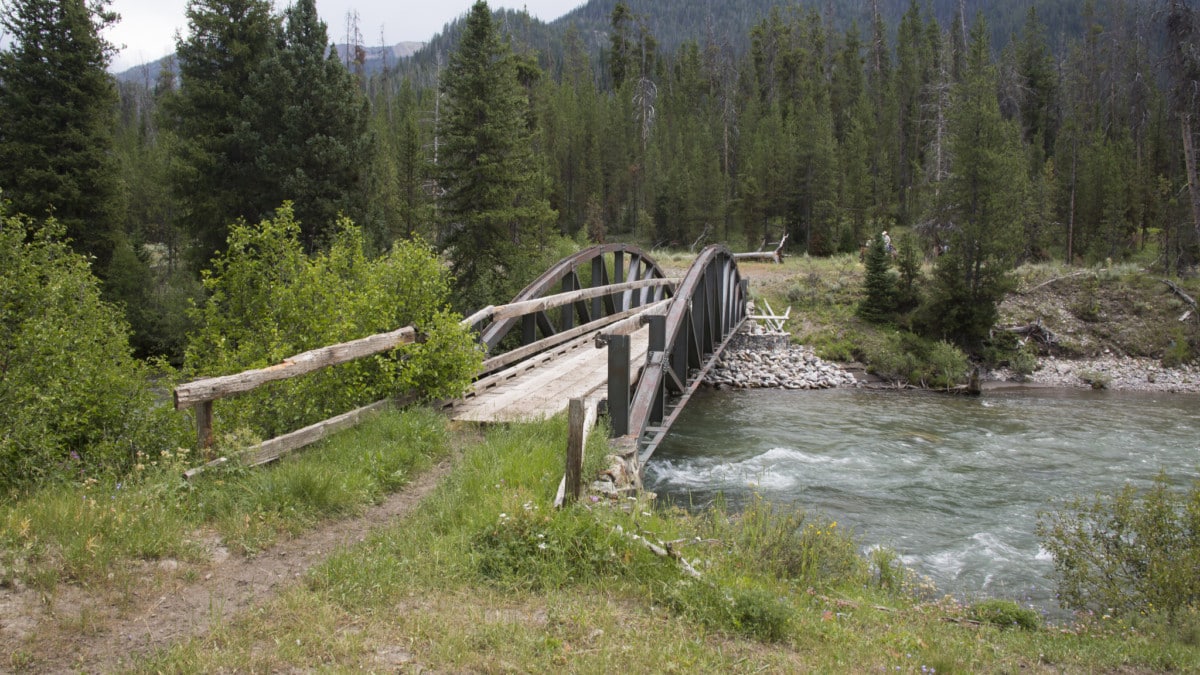
The Hagen’s Loop Trail is an easy 1.9 mile loop perfect for families and trail runners. This popular trail is nearly flat with seasonal wildflowers and plenty of shade along the trail–there are also beautiful views of the mountains. The trail’s midway point gives hikers the chance to cool off on the banks of Cache Creek. This trail is well adapted for novice hikers and children, most can complete this hike in under an hour. Be on the lookout for abundant wildlife–you might even be able to spot a moose if you’re lucky.
Snow King Summit via Slow Trail
Difficulty: Challenging
Distance: 3.8 mi
The 3.8 mile Slow Trail is named for the switchbacks required to make this 1500 foot elevation change possible. The trail is considered challenging with narrow and occasionally loose rocky trails. Hikers who complete the trail will be rewarded with panoramic views of the Tetons, Jackson, and the surrounding valleys. Skilled hikers can complete this trail in under three hours.
Cirque Trail
Difficulty: Moderate
Distance: 3.8 mi
The moderately challenging Cirque Trail is a 3.8 mile in and back style hike rewarding hikers with meadows of wildflowers and alpine forest. To hike this trail in it’s entirety a tram or gondola is needed. There is a fee to ride the Bridger gondola and it is only open until 5:00 pm weather permitting. Double check times of gondola operation before setting out to hike.

Shadow Mountain
Difficulty: Moderate
Distance: 4.9 mi
Shadow Mountain trail is an in and back trail perfect for those looking to get views of the Tetons. The elevation changes 1300 feet in just under five miles making for some steep sections of the trail. This trail is popular with mountain bikers too, both parties should take necessary steps to stay safe when riding down or hiking up the trail. Most hikers can complete this trail in under three hours.
Philips Pass Trail
Difficulty: Moderate
Distance: 8.1 mi
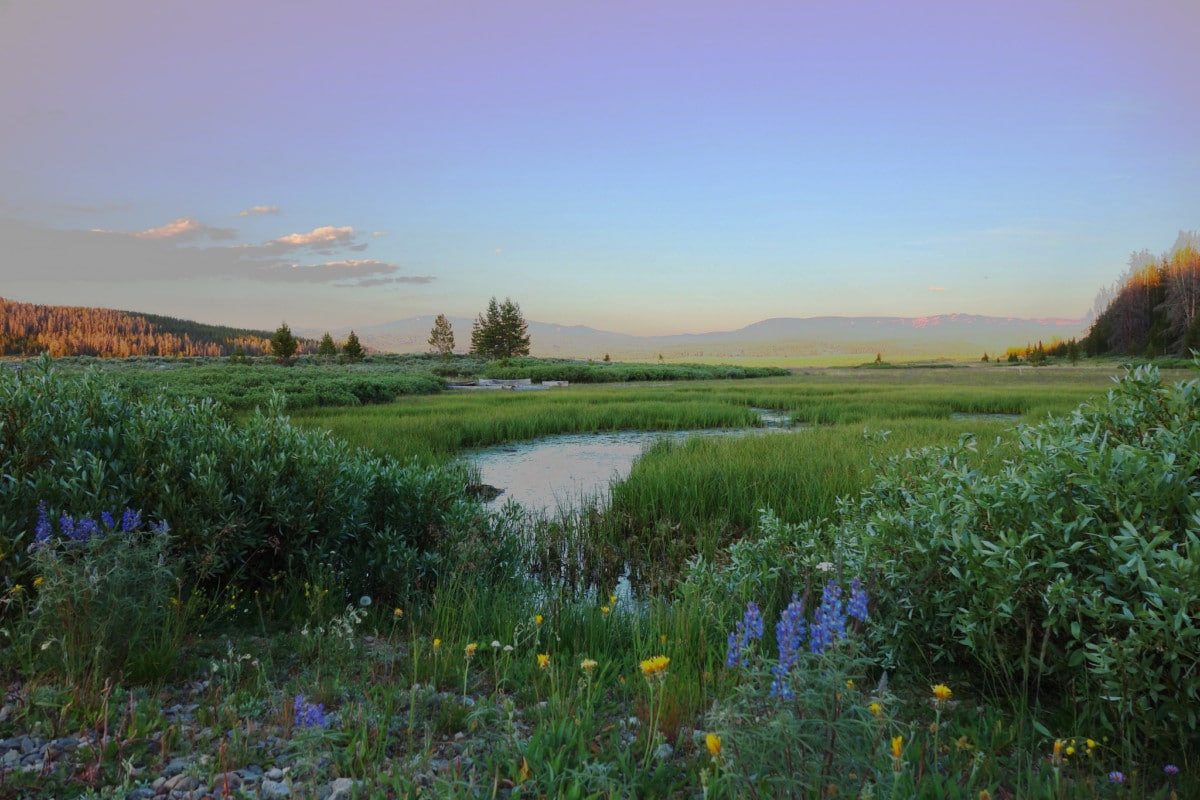
Phillips Pass Trail is an in and back style hike best completed in the months between February and October. Snowpack may still be an issue in early spring and late fall. Hikers will be rewarded with fields of seasonal wildflowers with wildlife to compliment it. The trail has an elevation change of 1800 feet but over the length of the trail, making for a moderate hike. Plan for this hike to take four and a half hours.
Periodic Spring Trail
Difficulty: Easy
Distance: 1.5 mi
Periodic springs is the only periodic spring in the United States, making this 1.5 mile out-and-back style hike a must see for those looking to observe unique natural places. The cycle of the spring stopping and starting takes about an hour. Budget the extra time to see this natural wonder. The end of the trail can be steep and may still have snowpack in early spring. The hike itself can be completed in around an hour but we recommend budgeting extra time to enjoy the area.
Long Lake via Long Lake Trail
Difficulty: Moderate
Distance: 4.7 mi
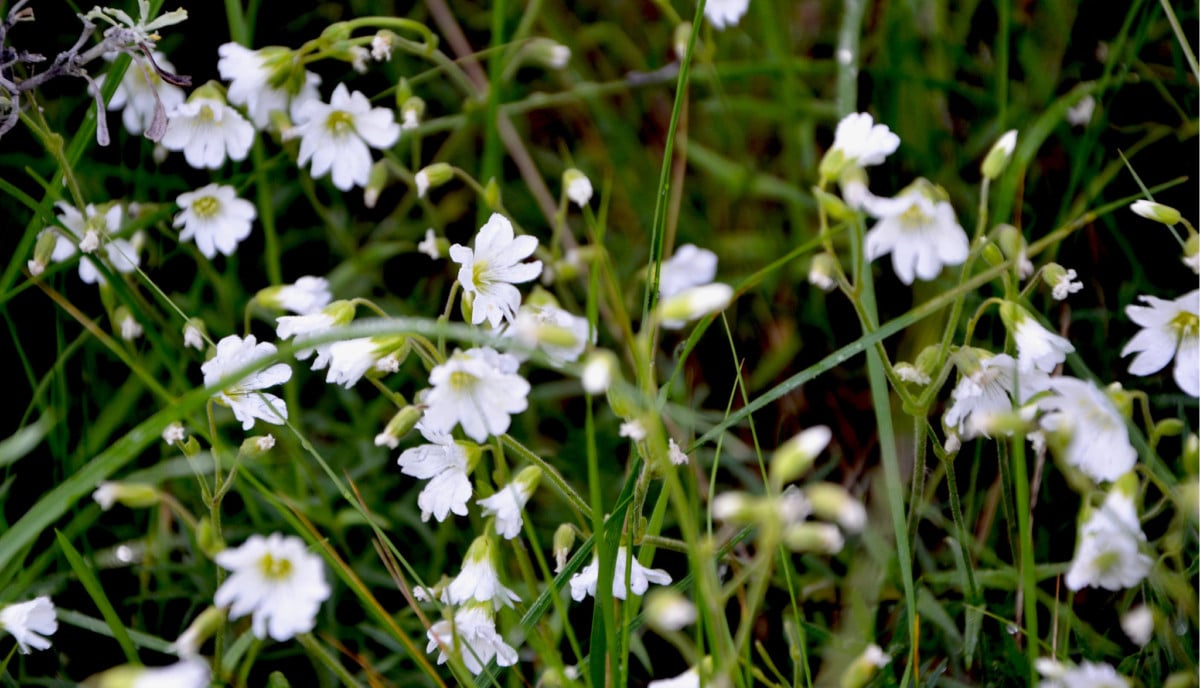
Long Lake Trail Is a moderately challenging in and back style trail through forest areas to reach picturesque Long Lake. There is.an elevation change of 1500 feet making this short trail more technical than some longer trails on the list. The trail is rocky in areas so hikes should exercise caution. Mosquitoes can be a nuisance in the summer so bring repellent. Plan for this hike to take about three hours.
Have any questions about visiting Bridger-Teton National Forest? Let me know in the comments!
Like this post? Save it for later!
Want more information on Wyoming? Check out these articles: