
Yellowstone National Park
When exploring the outdoors, I encourage you to follow Leave No Trace Principles and be respectful of where you are so we can preserve these spaces for future generations. ♥️
Heading to Big Sky Country and Yellowstone National Park?
I’ve got to be honest, I wasn’t all that enamored with Yellowstone National Park when I was a kid. My dad loved it and often took me and my siblings there when we were young–let’s just say I wasn’t very amused as a teenager! Somehow, seeing bison wandering Lamar Valley and eyeing vibrant springs wasn’t that interesting when I had no cell service to text my friends.
Over time and with a new understanding of how unique of an environment it is, I have a whole new appreciation for it. Every chance I get, I try to head back there to experience more. It doesn’t matter how many times I go, every time is new and exciting.
But because Yellowstone is such a popular park, getting some peace and quiet can be a challenge. Daniel and I have always been shocked by how quickly campsites and accommodations book up when we go to visit, and we’ve come to expect that we’re going to have to watch Old Faithful erupt with hundreds of other people.
This guide will cover some basics of visiting Yellowstone National Park, as well what you shouldn’t miss, and some of my personal tips to help you have that once-in-a-lifetime experience in this incredible place.
Quick tip: Always factor in a little more time than you think you’ll need. A lot of people visit, and it’s not uncommon to experience slowdowns due to animals on the road!
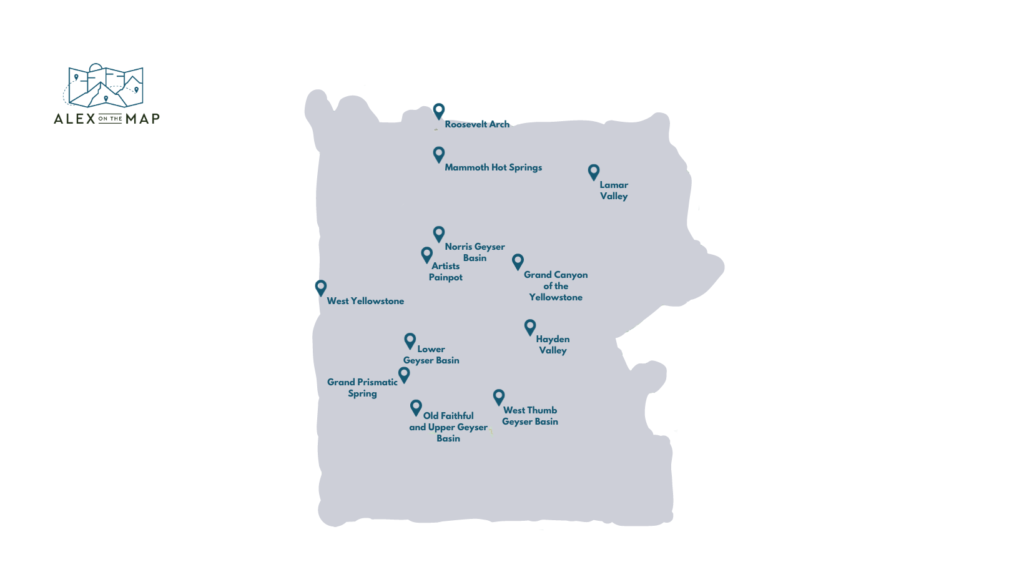
Map of Yellowstone National Park
How to get to Yellowstone National Park
For me, growing up in Kalispell, it was a memorable journey driving down to the park. There are five entrances to Yellowstone, with the West Entrance being the most popular. This means you can approach it from a number of driving directions depending on where you are coming from.
You can also fly into a few airports in Bozeman, Jackson Hole, Cody, and the very small West Yellowstone airport. From there, you will want to rent a car so you can get around the park and surrounding area easily.
Top 5 things to do in Yellowstone National Park
It’s hard to narrow down the best things to do in Yellowstone, but if this is your first time, here are the sights I believe you shouldn’t miss.
1. Geysers and Hot Springs
Each visit to Old Faithful and the colorful hot springs like Grand Prismatic Spring feels like stepping into another world. They never cease to amaze me with their natural beauty and power.
2. Grand Canyon of the Yellowstone
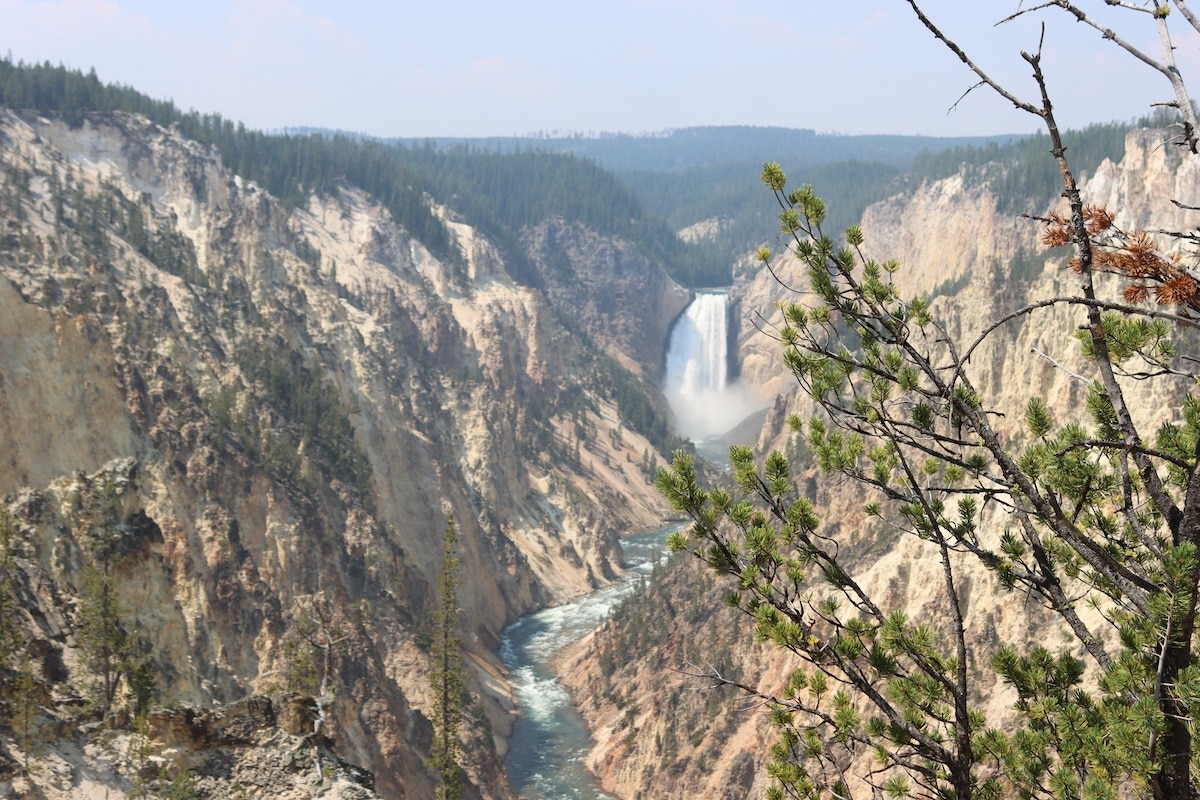
The vistas here, especially from Artist Point, are breathtaking. I can spend hours just taking in the views of the powerful falls and the vivid canyon colors.
3. Wildlife Watching
Hayden and Lamar Valleys are perfect for spotting wildlife. I’ve had some memorable moments watching herds of bison and searching for wolves in the distance–I have yet to see one!
4. Mammoth Hot Springs
The terraces at Mammoth Hot Springs are fascinating. The landscape always looks different, shaped continuously by the thermal activity. I highly recommend this spot if you like photography!
5. Hiking
Trails like the one to Mount Washburn offer such diverse experiences. Whether it’s a challenging hike or a leisurely walk, each trail gives a unique perspective of Yellowstone’s landscapes.
When to visit Yellowstone National Park
The best time to visit Yellowstone National Park depends on what you want to experience. Summer, from June to August, offers warm weather and full access to park facilities, but it’s also the busiest time.
For fewer crowds and beautiful fall colors, late September to October is ideal, like when I rediscovered the park’s charm as an adult. It’s also a great time for wildlife spotting!
Winter transforms the park into a snowy wonderland, ideal for snowshoeing and wildlife viewing, while spring offers a chance to see the park come alive, though some roads and facilities may still be closed.
I recommend three days in Yellowstone National Park
Spending three days in Yellowstone National Park is great for covering the main highlights, but if you have more time, that’s even better. There’s so much to see, from geysers like Old Faithful to the Grand Canyon of the Yellowstone.
Extra days mean you can explore more deeply or at a more relaxed pace. That’s why I built in a few more days into my Yellowstone National Park itinerary so if you do have the luxury of spending more time in the park, you know what to do!
Plus, if you’re planning to visit nearby parks like Grand Teton or Glacier, having additional time is beneficial for transit and exploring.
Closest airport to Yellowstone National Park
The closest airports to Yellowstone National Park are West Yellowstone Airport in Montana and Cody’s Yellowstone Regional Airport in Wyoming. However, keep in mind that because these airports are smaller, flights into them can be more expensive.
Bozeman International Airport (BZN) in Montana, and Jackson Hole (JAC) in Wyoming, are larger nearby airports with potentially more flight options and better deals.
Quick tip: I recommend flying into Bozeman if you want an extra day or two with great restaurants and some wonderful hikes nearby.
Where to stay when visiting Yellowstone National Park
For a stay in Yellowstone, I personally recommend lodging inside the park for the convenience of being close to all the major sights. Do be warned that this books up fast and isn’t super luxurious–it might feel like “roughing it” for some. The options for gas stations and restaurants are fewer too.
If you’re looking for more amenities, West Yellowstone is a great choice with plenty of dining and accommodation options.
For those who prefer a quieter, more rustic experience, Gardiner is perfect. It offers a peaceful atmosphere and access to other Montana adventures like the Beartooth Highway.
Weather in Yellowstone National Park
Yellowstone’s weather really keeps you on your toes! Summer days are lovely for hiking but can get chilly at night, so pack a sweater.
Winter turns the park into a snow globe, ideal for cozying up or enjoying snow activities. Spring and fall can be a bit of a gamble weather-wise, but they’re beautiful transitions.
My late September visits were just perfect, with crisp air and fewer people. Always keep an eye on the forecast and pack layers – Yellowstone’s weather likes to surprise!
How to get around Yellowstone National Park
In Yellowstone, having your own car is the way to go. It lets you explore the park’s loop system at your leisure, hitting all the major spots. When Daniel and I visited, driving ourselves made everything more accessible and flexible.
Just be ready for some time in the car. Yellowstone is big, and points of interest can be spread out. If there are any animals on the road, it might take even longer since you might run into a traffic jam. Pack some snacks, a good playlist, and enjoy the journey!
Tips for visiting Yellowstone National Park
Here are some tips I’ve found helpful after spending my time in Yellowstone–and ones that should make your trip better!
- Weather readiness: The park’s weather can swing wildly. I’ve experienced sunny mornings that turn into rainy afternoons. Layered clothing, rain gear, and good hiking boots are essentials.
- Wildlife encounters: Remember, animals here are wild. Maintaining a safe distance is crucial. Carrying bear spray is a wise precaution, especially on remote trails.
- Geothermal safety: The beauty of geothermal areas is mesmerizing, but they’re delicate and dangerous. Staying on designated paths is a must for your safety and the environment’s protection–remember to Leave No Trace!
- Timing popular attractions: Old Faithful and other hotspots can get busy. I’ve found early mornings or evenings offer a quieter, more personal experience.
- Off-the-beaten-path exploration: Yellowstone’s less crowded areas can be just as stunning–that’s how I’ve found some favorite waterfalls! Exploring lesser-known spots has led to some of my most memorable experiences, away from the crowds.
Articles on Yellowstone National Park


Yellowstone National Park FAQs
Here are some commonly-asked questions I receive from readers planning a trip to Yellowstone National Park.
Need help planning your Yellowstone National Park trip?

I offer custom national park itinerary planning as a service to help you make the most of your adventures! These itineraries cover everything from where to stay, eat, what to do, and more!
Browse nearby national parks
- Glacier National Park
- Mount Rainier National Park
- North Cascades National Park