
The Ultimate Guide to Lolo National Forest
Growing up in Montana, I had no idea that there were possibilities to get outside everywhere I looked–and I totally knew nothing about the National Forest System! Lolo National Forest is a hidden gem and one of the best things to do in Missoula, Montana by far. Whether you’re an RVer looking for some affordable camping or a backcountry-lover looking to get away and find some solitude in nature, Lolo has opportunities for both while still remaining easy to get to from the state’s most happening city.
Everything you need to know about visiting Lolo National Forest
This guide covers all the information you need to know while visiting the amazing Lolo National Forest.
[lwptoc hideItems=”1″]
Map of Lolo National Forest
Where is Lolo National Forest?
From the U.S. Forest Service’s website, Lolo is “located in west-central Montana and encompasses two million acres.”
All national parks and forests in the American west are pretty vast, however. So in more relative terms, Lolo is about a five-hour drive NW from Yellowstone National Park, about three hours driving SW from Glacier National Park, and about an hour from Missoula, MT, the closest city.
It is relatively close to the Idaho border, though it is still entirely within the state of Montana. Its boundaries bump up against other designated forests and public lands, as well as the Flathead Indian Reservation.
How do I get to Lolo National Forest?
If you are not traveling by car, Missoula, the closest city, does boast a small airport, though you may have better luck flying into nearby Bozeman instead. There are vehicle rentals available in Missoula, though peak season shows much competition to snag one, and therefore higher rates.
Public transportation to the forest doesn’t really exist (other than a one-way taxi-ride!).
You can also ride your bicycle into the forest if you are bike touring, and there is plenty of dispersed and established camping available. However, biking off of established roadways onto wilderness trails is not permitted.
When is the best time to visit Lolo National Forest?
Because of its location, the “summer” season in Lolo is defined as June-August, and the “winter” season is September through May. While the summer months obviously offer easier access throughout the forest because of the lack of snow, there is also plenty to do in the winter months as well (though with more limited access). Montana national forests all are similar in this respect, and you can expect similar conditions in neighboring forests and throughout the state.
Hiking, skiing, fishing, snowshoeing, camping, photography, hot springs hopping, and bird watching are just a few of the activities offered by Lolo National Forest, Montana!
Can I camp in Lolo National Forest?
Yep! There are many established campgrounds, as well as opportunities for dispersed camping.
Be sure to check in with a ranger station for information about fire restrictions and dispersed camping rules, closures, or restrictions for the area. Conditions can change without warning, so your first choice of camping area might not be available at the time of your visit!
In any case, camping is limited to 16 days maximum in any one location, and Leave No Trace principles should be observed for 100% of visits, whether overnight or day-use.
Is there a list of campgrounds in Lolo National Forest?
Here is a list that can help you decide where to set up camp for your visit, based on other activities you’ll be exploring. If you know the area of certain trailheads or water features you’ll be exploring, a map can help you figure out the best places to camp nearby!
- Lee Creek Campground
- Lolo Creek Campground and Picnic Area
- Clearwater Crossing Campground
- Kreis Pond Campground
- Cascade Campground
- Clark Memorial Campground
- Copper King Campground
- Fishtrap Lake Campground
- Gold Rush Campground
- Muchwater Dispersed Campground and Recreation Area
- West Fork Fishtrap Creek Campground
- Bighorn Campground
- Bitterroot Flat Campground
- Dalles Campground
- Grizzly Campground
- Harry’s Flat Campground
- Norton Campground
- Siria Campground
- Big Larch Campground
- Big Nelson Campground
- Hidden Lake Campground
- Lake Alva Campground
- Lake Inez Campground
- Lakeside Campground
- Monture Creek Campground
- Rainy Lake Campground
- River Point Campground
- Seeley Lake Campground
- Cabin City Campground
- Deer Creek Campground
- Peninsula Dispersed Campground and Recreation Area
- Quartz Flat Campground
- Sloway Campground
- Trout Creek Campground
Can I rent a cabin in Lolo National Forest?
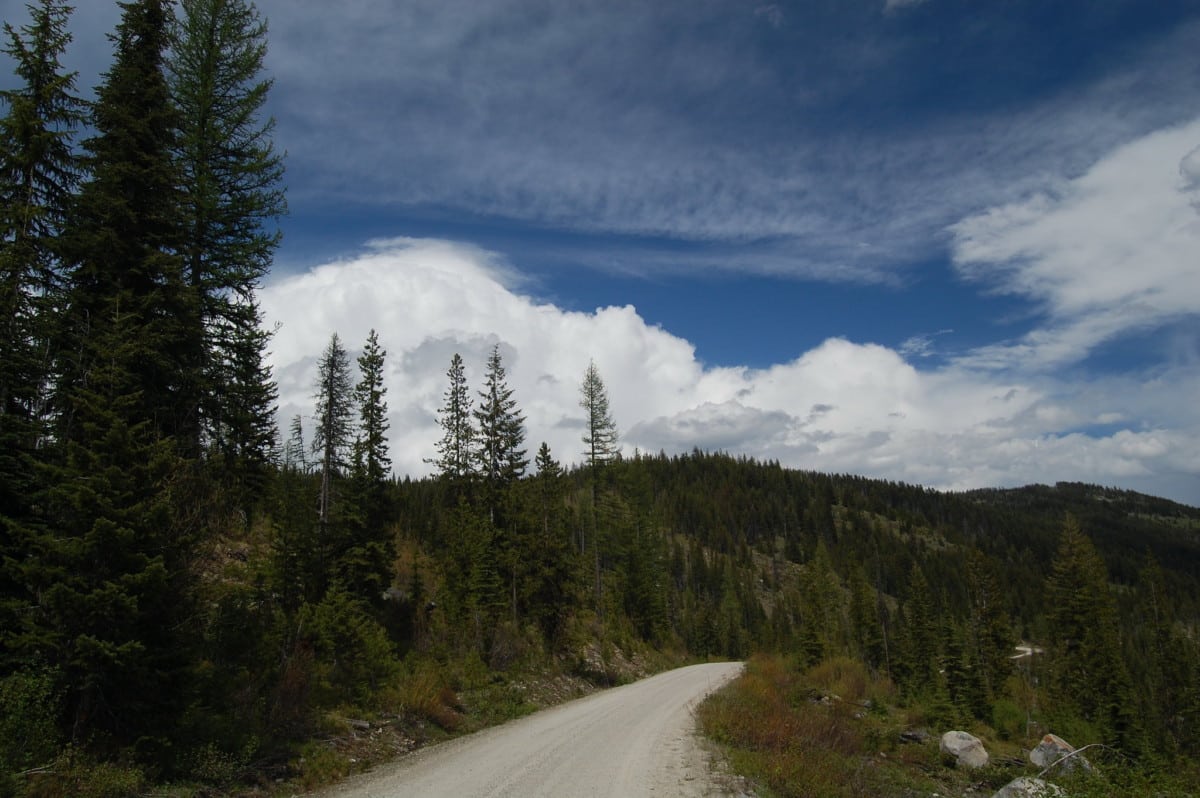
Yes! Lolo has many cabins available for rent, with varying levels of accessibility. Some are only accessible by foot (or skis in the winter), some are wheelchair accessible, some are open year-round, some are more easily accessible by vehicle and without much actual legwork (excuse the pun).
Additionally, the amenities also vary from cabin to cabin. Some can have full kitchens and bathrooms, while others are more primitive with one shared room and bunk beds. Be sure to do your research beforehand, and choose the right cabin for your group’s skill level, gear kit, and needs! (And don’t forget to check for pet friendliness!)
Is there a list of cabin rentals for Lolo National Forest?
This list provided by the Forest Service offers a brief breakdown of the area of each cabin, access information, and amenities offered. You’ll need to go through recreation.gov to book, and don’t hesitate! These cabins are popular, so if you see an opening that works for you, snag it quick!
Additionally, if you book a cabin but aren’t able to make it as the date gets closer, make sure to cancel on the reservation.gov website ahead of time. This both saves you money and offers others the opportunity to enjoy these special places–double good vibes!
- West Fork Butte Lookout
- Bend Guard Station
- Big Hole Lookout
- Cougar Peak Lookout
- Hogback Homestead
- Morgan-Case Homestead
- Double Arrow Lookout
- Monture Guard Station Cabin
- Savenac Bunkhouse
- Savenac Cookhouse
- Savenac East Cottage
- Savenac West Cottage
- Thompson Peak Lookout
- Up Up 40-Foot Lookout Tower
Is there dispersed camping in Lolo National Forest?
There is dispersed camping available within Lolo National Forest, and this list has the options available.
- Muchwater Dispersed Campground and Recreation Area
- Cliff Lake Trail #100
- Deer Creek Campground
- Little Joe Campground
- Peninsula Dispersed Campground and Recreation Area
However, due to changing seasonal conditions, it’s always best to check in with a ranger station before heading off-grid to make sure the area you have in mind is both open and safe to use! Sometimes, certain areas may be temporarily restricted due to wildlife activity, fire activity, or ecosystem rehabilitation efforts.
Is there group camping in Lolo National Forest?
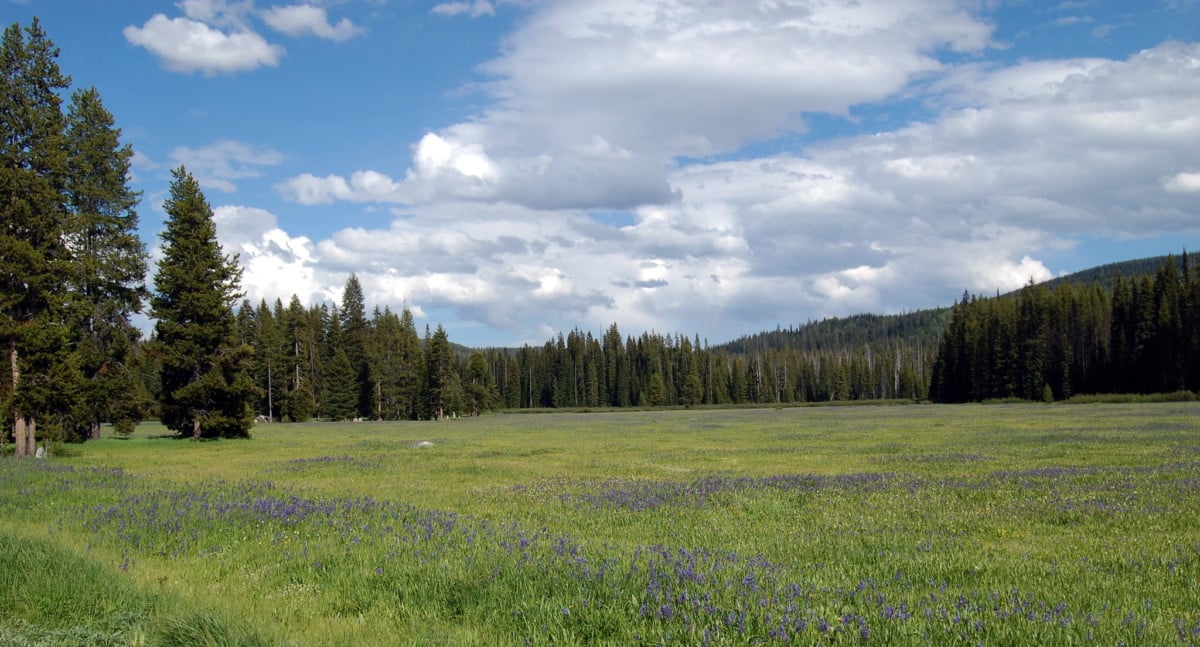
Group camping is definitely available in Lolo National Forest, though there aren’t as many options for large groups as there are for Individual sites. If your dates are flexible and it works for your visit, consider trying to book several “normal size” campsites next to each other, observing occupancy limitations, of course.
Is there RV camping in Lolo National Forest?
There are RV accessible sites in Lolo, but make sure to do your homework ahead of time! You don’t want to get stuck on a back road that offers no turnaround areas, or get all the way out to a dispersed area that isn’t hospitable for larger rigs. This list covers where you can camp with your RV:
Do I need a backcountry permit for Lolo National Forest?
Because traffic is not as severe as other national forests, backcountry permits are not required at this time, though it’s always best to check in with a Ranger Station on your way into the backcountry!
What do I need to know about having a campfire in Lolo National Forest?
Practice Leave No Trace fire principles at all times, and be careful with your firewood.
Do not bring firewood from other areas of the country into the forest, as you may unknowingly be transporting invasive species that could affect the unique ecosystems in Lolo National Forest, MT.
Use common sense- if signs say there’s a high fire danger with extreme winds that day, don’t light a fire! Updated fire conditions, including fire bans or restrictions, can be found here.
Can I bring my dog to Lolo National Forest?
Generally, dogs are welcome in Lolo National Forest. However, always be a thoughtful and respectful dog parent.
If your dog is known to run and greet every single person they see, keep them leashed in popular areas (there are some folks who just aren’t crazy about pups). If you know your dog can be unpredictable or sometimes aggressive, keep them leashed in popular areas, and re-leash them when passing other pets on the trail.
Always clean up your dog’s poop, but especially if they poop in a campsite or other commonly shared area.
We love dogs, and we want to be sure they continue to be allowed in national forests! Part of this is owning your responsibility as a pup parent.
What should I know about bears in the Lolo National Forest?
Lolo Montana is bear country! Always be prepared for bear activity. Carry bear spray and keep it accessible at all times on your hip or backpack strap (inside your backpack doesn’t do you any good if you come around a corner and surprise a grizzly eating a snack). Also, make sure you know how to use the bear spray before going into the backcountry!
If you are tent camping or backcountry camping, keep anything that’s food or toiletry scented in a bear canister, and also hang it from a tree if possible. If car camping, do not leave any food scraps around your campsite, and make sure every scrap of food or food trash gets locked into the car at night. Do not put food scraps into your fire. Bears will investigate if they smell it, they’ve learned that humans equal food!
The best hiking trails in Lolo National Forest
Lolo National Forest is amazing since it has options for all abilities of hikers. Sometimes when you visit national forests, you have to backpack or gear up for a long and difficult hike. Not so here! You’ll find trails perfect for all levels and amazing payoffs like lakes and cliffs–without the crowds of the national parks.
Blossom Lakes Trail
Difficulty: Moderate
Distance: 5.5 mile out-and-back
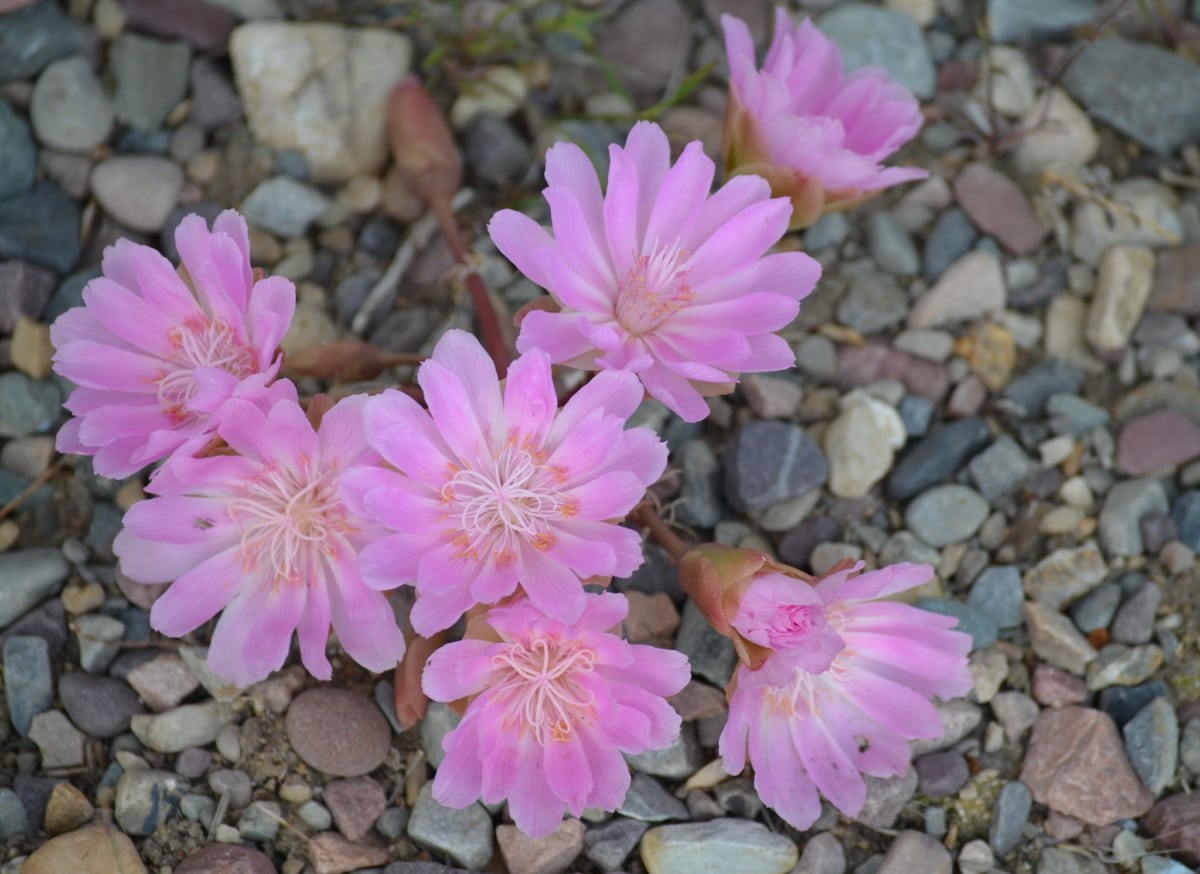
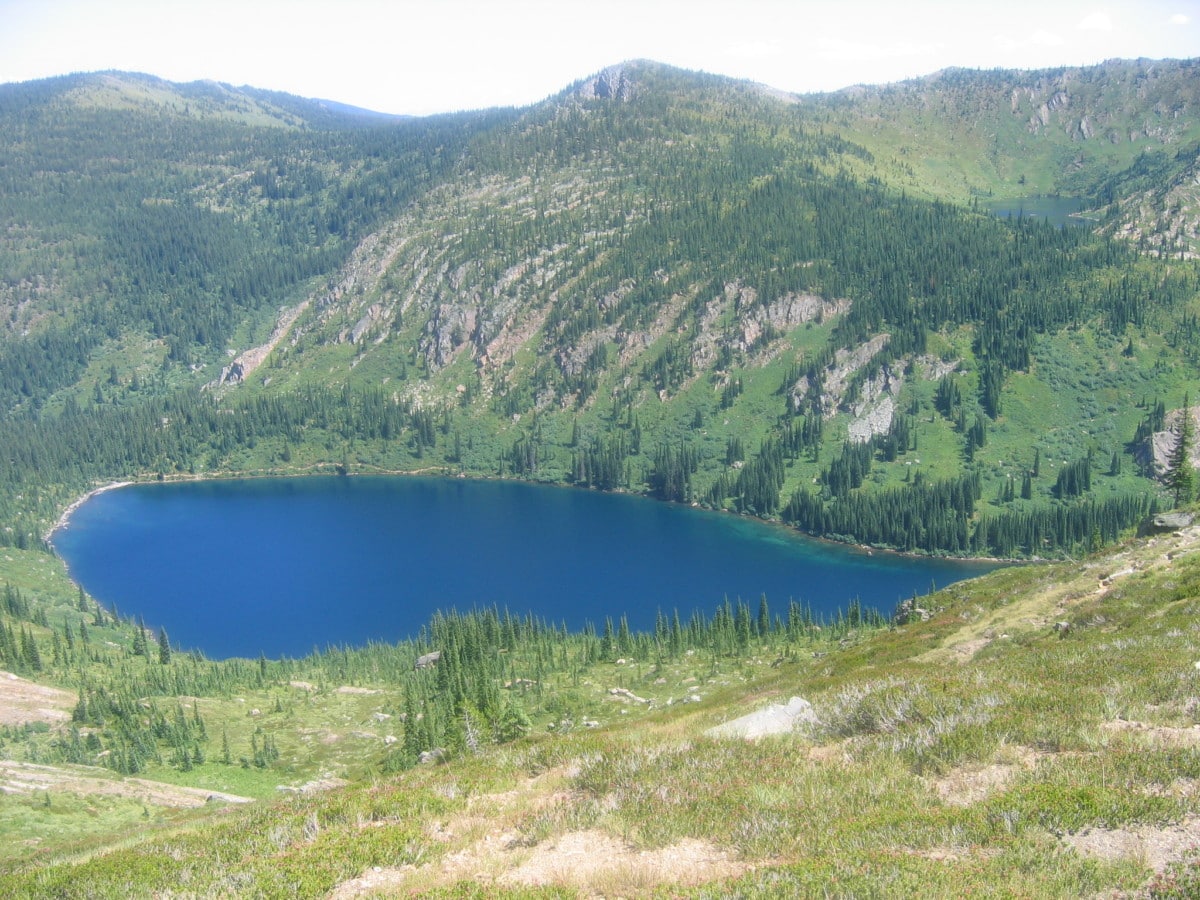
Featuring a beautiful lake and wildflowers during the summer months, this dog-friendly trail promises about 1150 ft of elevation gain and some stellar views. Bring a towel for après-swimming on a hot day, and spikes and poles for winter trekking. It can get pretty buggy in the summer months though, so don’t forget protection!
Hub Lake and Hazel Lake
Difficulty: Hard
Distance: 7.2 miles out-and-back
Starting out in a lovely cedar forest, this trail isn’t meant for the feint of heart! With a gradual elevation gain of 2,693 feet, you’re offered gorgeous views of granite bluffs and the crystal clear water of Hazel Lake. There might be snow during certain time of the year, so be prepared to bring crampons in the early summer or wait until most of the snow has melted at the end of July.
Copper Lake Trail #265
Difficulty: Moderate
Distance: 2.7 mile out-and-back
A reasonably small effort for a lovely lake payoff, there isn’t too much elevation change (for the area). A great hike for families because it isn’t too long, you’ll also enjoy some privacy and quiet as the trail isn’t as heavily-trafficked as others. Make sure to lock in the coordinates for the trailhead before heading out, as other hikers have shared difficulty finding the starting point!
North Fork to Otatsy Lake
Difficulty: Hard
Distance: 15.5 miles out-and-back
If you’re looking for natural beauty, solitude, with a good workout mixed in, this might be the trail for you. Featuring two beautiful lakes (if you’re willing to extend your journey by about .25 mile), this trail offers much of the majestic natural beauty Montana is known for, without the crowds and tourists. You have to work for the payoff here, but it’s well worth it!
Heart and Pearl Lakes Trail
Difficulty: Moderate
Distance: 7.2 miles out-and-back
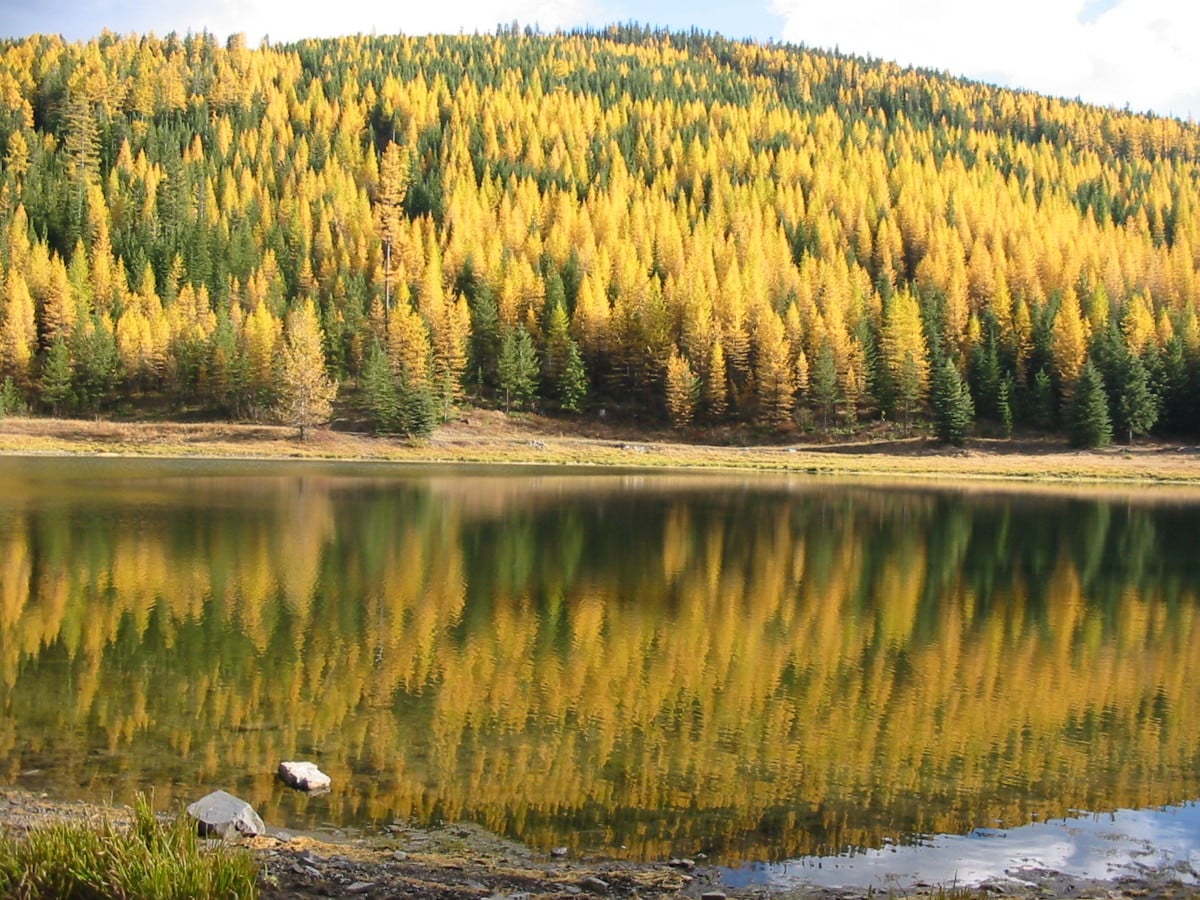
Though undeniably a gorgeous spot year-round, the colors are extra beautiful here in the fall. Take the time to explore nearby on an overnight backpacking trip, or simply soak in the beauty over PB&J’s on a day hike. With this being a more popular trail, make sure to leave no trace, and do your part to pack out any trash you find that others may have missed!
Pyramid Lake via Pyramid Pass Trail
Difficulty: Moderate
Distance: 10 miles out-and-back
Though much of the area is still recovering from a 2017 fire, the beauty of the two lakes (and waterfall in the spring) remains. A frequent stock trail, be ready to share with others during busier seasons! Bring bug spray and a camera- wildflowers abound in the areas of regrowth!
Four Lakes Loop
Difficulty: Hard
Distance: 8.3-mile loop
A beautiful lake popular with backpackers sits roughly halfway along this loop. The trail does not go fully around the lakes, but instead runs along one side and then winds through forest, offering just under 2100 feet of elevation change overall. Bug spray is highly recommended in the peak summer months, and because of the frequency of downed trees in this area, it may be worth checking on trail conditions with a ranger before heading in!
Fishtrap Lake Trail #1104
Difficulty: Easy
Distance: 3-mile loop
This trail goes around Fishtrap lake, and is essentially a loop trail, though some road walking is required! From the forest service site: This trail is an easy, relaxing walk through a variety of forest types with views of beautiful Fishtrap and Upper Fishtrap lakes. Wildlife such as moose, beavers, osprey, and deer are common in the area and wildflowers abound in season.
Cliff Lake Trail #100
Difficulty: Moderate
Distance: 2.8 miles out-and-back
Another great trail where the payoff doesn’t require extreme effort–you get two lakes in one! Drive cautiously on the road to the trailhead, it can be rutted out or muddy, depending on the season. This trail offers the three W’s- waterfalls, wildlife and wildflowers! Take the time to appreciate the many varieties of plants and animals you’ll encounter along the trail, and enjoy a quick dunk in the lake as a treat!
Have you ever made it to Lolo National Forest? Let me know your favorite part of visiting in the comments!
Like this post? Save it for later!
Want more information on Montana? Check out these articles:


