
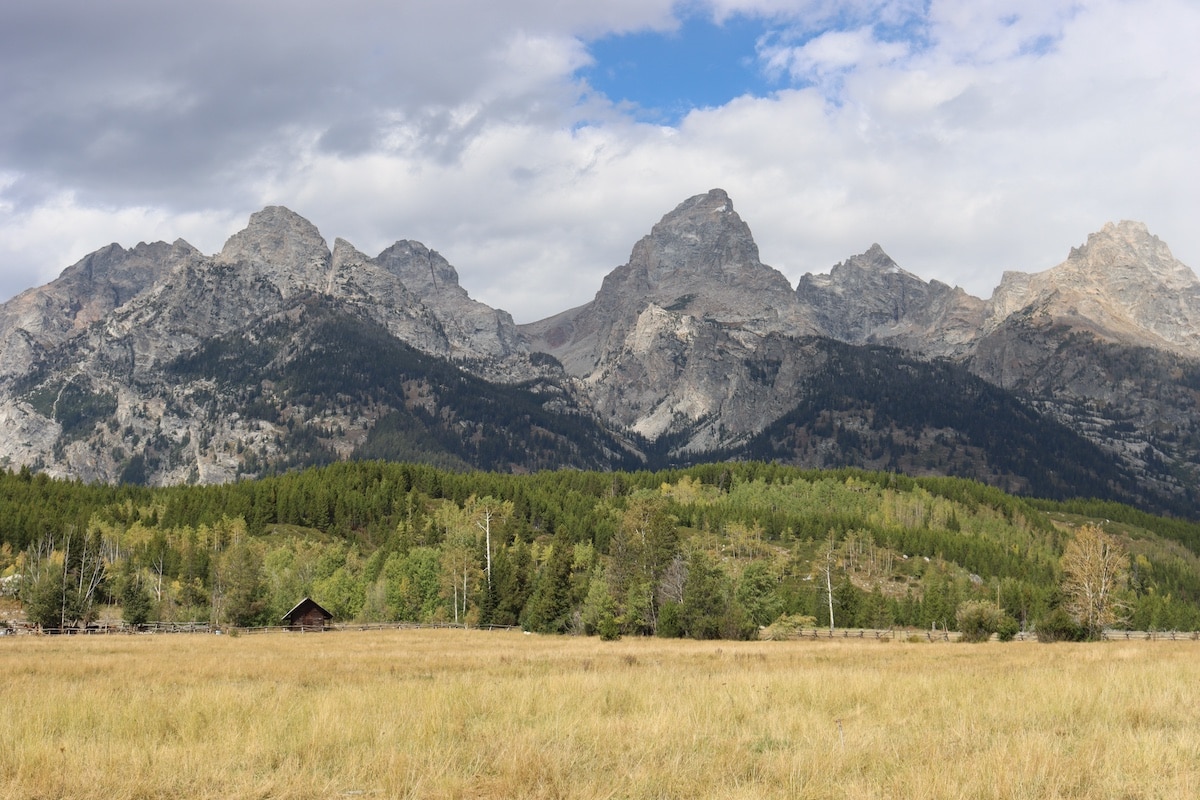
Grand Teton National Park
When exploring the outdoors, I encourage you to follow Leave No Trace Principles and be respectful of where you are so we can preserve these spaces for future generations. ♥️
Are you headed to Grand Teton National park and need some help planning?
Grand Teton National Park had been on my bucket list for years, and when I eventually ended up at the park, it didn’t disappoint. I never got tired of staring at the Teton Range–I couldn’t help but pull over the car every chance I got to snap some photos! It was impossible to take a bad photograph with the peaks tinged with snow and with wildlife almost seemingly posing for the camera.
One challenge we faced while exploring Grand Teton was that nearby Jackson Hole is not cheap. This made competition for campsites and cheaper accommodations much fiercer than Daniel and I were expecting. We were lucky that we were flexible with our dates, but if you only had specific times you could visit, it might be difficult to get the campground you want.
We found it much better to visit in September. Not only is it vibrant with fall foliage, but it’s also not nearly as busy as during the summer months. We had a much easier time securing a camping spot at Gros Ventre Campground when autumn had arrived!
This guide will cover the basics of a trip to Grand Teton National Park, including how to get there, some tips from me, and what you want to make sure not to miss.
Quick tip: Take an afternoon to explore the National Museum of Wildlife Art just outside of the park. You’ll notice much of the same scenery in paintings and sculpture when you visit!
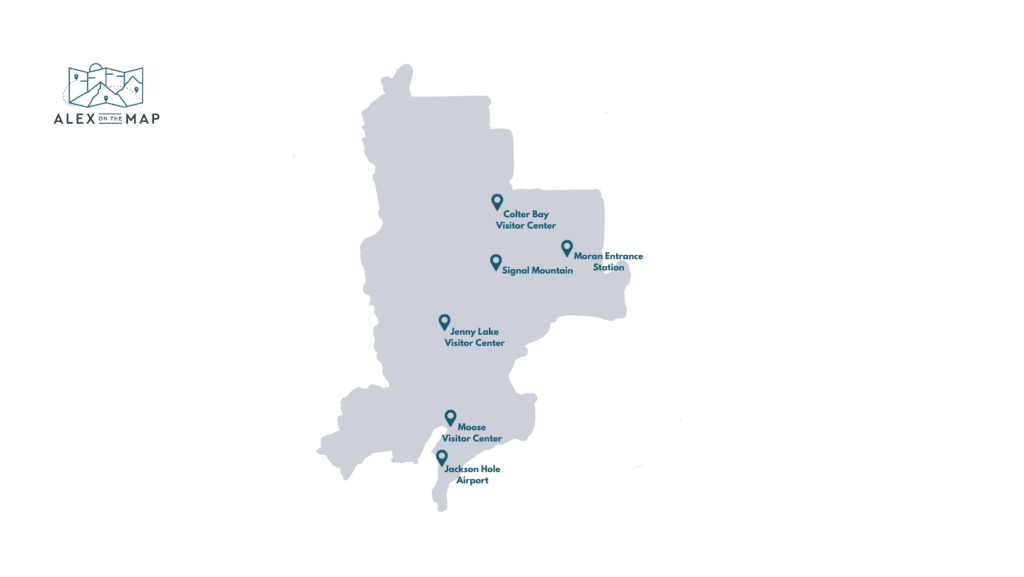
Map of Grand Teton National Park
Grand Teton National Park basics
Date founded: February 26, 1929
Annual visitation: 2.8 million
Location: Wyoming
Fun fact: The Grand Teton Range is thought to be the youngest range in the Rocky Mountains. Geologists believe it was formed between six and nine million years ago.
How to get to Grand Teton National Park
To get to Grand Teton National Park, flying into Jackson Hole Airport, the closest airport to the park, is the most direct route. From there, it’s a short drive to the park’s entrance.
For those on a road trip like the one we took, the park is accessible via major highways and is well-signposted. The drive itself is beautiful, offering glimpses of the stunning Tetons as you approach. Remember to check road conditions and closures, especially if you’re traveling outside of the summer months.
Top 5 things to do in Grand Teton National Park
Here are the activities I encourage readers not to miss when they are exploring Grand Teton National Park.
1. Inspiration Point and Hidden Falls
These hikes are accessible yet incredibly rewarding. We were captivated by the waterfalls and panoramic views. It’s a great introduction to the park’s natural beauty and perfect for families looking for a rewarding trail.
2. Cascade Canyon
This hike was a highlight for us. It’s more challenging but offers stunning views and a peaceful environment. The further you go, the more serene it gets with fewer crowds. I recommend an entire day for this adventure!
Quick tip: If you are up for it, you can do all three hikes of Inspiration Point, and Cascade Canyon in one go–just know that it’s long!
3. Scenic overlooks
Places like Mormon Row and Snake River Overlook provide iconic views of the Tetons. Each spot has its own charm and is a photographer’s dream. Daniel and I spent an entire day in the park going from overlook to overlook and we never got tired of the view!
4. Wildlife watching
Spotting wildlife, like the moose near our campsite, is a memorable experience. Early morning or dusk are the best times for sightings, offering a chance to see the park’s diverse wildlife.
Quick tip: Elk on your list of wildlife to see? Consider going in October–the National Elk Refuge is right nearby and thousands appear this time for the rut.
5. Boat ride on Jenny Lake
Taking a boat ride on Jenny Lake added a relaxing and scenic element to our trip. It’s a great way to see the mountains from a different perspective and access some of the trailheads–you can skip the first leg of several hikes by taking the boat!
When to visit Grand Teton National Park
Summer (June to August) is prime time in Grand Teton National Park, with everything open and great weather.
But, visiting in late September, like Daniel and I did, has its perks. The crowds thin out, and the autumn leaves are spectacular. If you’re a hiker, I would definitely recommend going this time of year.
Winters are quiet, ideal for snow-based activities, while spring can be a bit unpredictable with some facilities still closed.
I recommend three or four days in Grand Teton National Park
Three or four days give you enough time to really immerse yourself in the park’s beauty. Daniel and I found this duration perfect for exploring key hikes like Inspiration Point and Hidden Falls, and even ventured deep into Cascade Canyon for a day.
It also allowed us to leisurely visit overlooks like Signal Mountain and Oxbow Bend. With an extra day, you can explore more trails or simply enjoy the tranquility of the park.
Quick tip: Don’t forget your bear spray! It’s not uncommon to run into grizzlies while exploring the hiking trails.
Closest airport to Grand Teton National Park
The closest airport to Grand Teton National Park is Jackson Hole Airport (JAC). It’s conveniently located right near the park, and while it can be a little more expensive to fly in there rather than larger airports, it does drop you off at Grand Teton’s doorstep.
Car rental options are also available here.
Where to stay when visiting Grand Teton National Park
For staying near Grand Teton National Park, Jackson is a fantastic choice. It offers a wide range of accommodations and great dining options, perfect for refueling after a day in the park. Daniel and I enjoyed the convenience of having a variety of restaurants and shops close by–especially since we needed a grocery store for camping.
While there are lodging options within the park, Jackson provides more variety and is just a short drive away, making it easy to go back and forth.
Weather in Grand Teton National Park
The weather in Grand Teton National Park can vary greatly depending on the season. Summers are warm and ideal for hiking, while winters are cold and snowy, perfect for skiing.
Spring and fall can be unpredictable, with a mix of sunny days and snowfall. When Daniel and I were there in late September, the weather was fantastic – not too crowded and with the leaves changing color.
I would recommend bringing a bunch of layers with you when headed to the Tetons. When the weather does decide to change, it changes very quickly, and it’s best to be prepared!
How to get around Grand Teton National Park
To get around Grand Teton National Park, having a car is ideal. The park’s scenic loop drive offers access to major points of interest and trailheads.
During our trip, Daniel and I found driving allowed us the flexibility to visit various overlooks and hiking spots at our own pace. There are also some bike-friendly roads and paths for a more active exploration option.
Public transportation does not exist within the park, but there are some tours that will take you around to spot wildlife if you want to take a day and avoid driving.
Tips for visiting Grand Teton National Park
Here are some tips that I recommend for those heading to Grand Teton National Park in order to make your trip one you’ll forget!
- Weather preparedness: The park’s weather can shift suddenly. Pack for all conditions – warm layers, a waterproof jacket, and hats. During our hikes, we were glad to have extra layers, especially in shaded areas and higher elevations.
- Wildlife watching: Early morning or late evening are prime times for wildlife encounters. Quiet spots away from crowds are best. We were thrilled to see a moose and her calf near our campground during these times.
- Discover hidden gems: While popular spots are always worth checking out, exploring less crowded areas can be rewarding. Trails like those in Cascade Canyon offer serene beauty away from the main attractions.
- Stay hydrated and protected: At higher altitudes, you’re more exposed to UV rays and can dehydrate quickly. Always carry a reusable water bottle and apply sunscreen regularly. Sunglasses are also a must. Daniel and I even brought a water filter with us that came in super handy–we were surprised how much water we went through.
- Be bear aware: In Grand Teton, bear safety is crucial. Store food and scented items properly in bear-proof containers. During our stay, we were diligent about food storage and cleanliness at the campsite and we always carried bear spray with us when we hiked.
Articles on Grand Teton National Park


Grand Teton National Park FAQs
Here are some questions I often get from readers when they are planning their trip to Grand Teton National Park.
Need help with your Grand Teton National Park trip?

I offer custom national park itinerary planning as a service to help you make the most of your adventures! These itineraries cover everything from where to stay, eat, what to do, and more!